


Posted: 5/28/2015 6:58:54 PM EDT
RC- No friggin clue how much this bird costs but the fun quotient is off the charts, 
https://www.youtube.com/watch?t=172&v=1lYGUROZ_Pg |

|
Quoted:
If it's on You Tube and you think it hasn't been done here before, you're probably wrong. Dude there are only 3 threads on arfcom. 1 - FBHO and heres why aka If you dont like what I dont like, youre a faggot 2 - Look at what I own, what i can do 3 - Look at what I found on another site and brought here for all to see 
|

|
Quoted:
Greatest single engineering achievement in non-spacing faring, aviation history. The love the fact that in THEORY, the SR71 had no speed limit. According to Kelly Johnson. Ok, I'd need to see a reference for that, because there were lots of limits, granted some of them could have been eased, but some were hard limits. |
|
Quoted:
The engines alone can cost $10,000 to $15,000 (each) and require regular manufacturer overhauls. Speed is easily in excess of 200 mph. Shit happens fast at those speeds. Aaaand I just figured out we are talking about an RC model. I'll go sit in the corner with the dunce cap. |
|
Quoted: Ok, I'd need to see a reference for that, because there were lots of limits, granted some of them could have been eased, but some were hard limits. Quoted: Quoted: Greatest single engineering achievement in non-spacing faring, aviation history. The love the fact that in THEORY, the SR71 had no speed limit. According to Kelly Johnson. Ok, I'd need to see a reference for that, because there were lots of limits, granted some of them could have been eased, but some were hard limits. It's from a 90's episode of Wings from the Discovery Channel on the SR71. I found it on youtube a few years ago. |
|
Quoted:
Ok, I'd need to see a reference for that, because there were lots of limits, granted some of them could have been eased, but some were hard limits. Quoted:
Quoted:
Greatest single engineering achievement in non-spacing faring, aviation history. The love the fact that in THEORY, the SR71 had no speed limit. According to Kelly Johnson. Ok, I'd need to see a reference for that, because there were lots of limits, granted some of them could have been eased, but some were hard limits. IIRC, the speed limit was based on the engines melting (or at least overheating). The cones that regulate flow into the engine, even when fully closed at high speeds, could bleed through more air then the engines could handle. The airframe itself was probably nowhere near its limits. |
|
Quoted:
if it works in theory, it works in practice, in theory. Quoted:
Quoted:
Greatest single engineering achievement in non-spacing faring, aviation history. The love the fact that in THEORY, the SR71 had no speed limit. According to Kelly Johnson. if it works in theory, it works in practice, in theory. In practice, there was the one Blackbird (I can't recall if it was a A-12 or and SR-71)that had undergone maintenance and the blow-in doors on the rear of the engines were disabled in the CLOSED position. In flight a massive amount of air that would have normally been vented out those doors went out the exhaust, becoming part of the afterburner flow. Plus there was a massive reduction in drag due to no airflow disruption from the airflow coming out of the doors if they'd been allowed to open.. The pilot reported that the aircraft accelerated "like a scalded dog" compared to regular Blackbirds he'd flown. That resulted in the aircraft accelerating to a speed beyond the thermal rating of the Blackbird, which damaged a lot of systems on the aircraft. Lockheed said the pilot was lucky to be able to catch the situation before so much damage occurred that the airframe failed. After analyzing the event Kelly Johnson said he'd never realized how much faster he could have made the Blackbird by eliminating the blow in doors, but the thermal issues might have never been solvable with technology of the day. But I wonder if there weren't some tests down towards the end of the SR's career to see what could have been obtained. The quickly hushed-up story in the LA Times back in the 1980s about Lockheed flying a manned aircraft at 3,000mph had to come from somewhere. |
|
Quoted:
IIRC, the speed limit was based on the engines melting (or at least overheating). The cones that regulate flow into the engine, even when fully closed at high speeds, could bleed through more air then the engines could handle. The airframe itself was probably nowhere near its limits. Quoted:
Quoted:
Quoted:
Greatest single engineering achievement in non-spacing faring, aviation history. The love the fact that in THEORY, the SR71 had no speed limit. According to Kelly Johnson. Ok, I'd need to see a reference for that, because there were lots of limits, granted some of them could have been eased, but some were hard limits. IIRC, the speed limit was based on the engines melting (or at least overheating). The cones that regulate flow into the engine, even when fully closed at high speeds, could bleed through more air then the engines could handle. The airframe itself was probably nowhere near its limits. I wonder what could be done with today's technology to mitigate these problems? I mean could we make it go faster, higher, etc? I think of all modern jets this is one of my favorites. It was amazing as far as capabilities go for something built in the 60's. |


|
Quoted:
RC- No friggin clue how much this bird costs but the fun quotient is off the charts,
https://www.youtube.com/watch?t=172&v=1lYGUROZ_Pg Maybe, until you have an engine compressor unstart at 105,000 ft and mach 3.3 http://roadrunnersinternationale.com/unstart.html |
|
Quoted:
In practice, there was the one Blackbird (I can't recall if it was a A-12 or and SR-71)that had undergone maintenance and the blow-in doors on the rear of the engines were disabled in the CLOSED position. In flight a massive amount of air that would have normally been vented out those doors went out the exhaust, becoming part of the afterburner flow. Plus there was a massive reduction in drag due to no airflow disruption from the airflow coming out of the doors if they'd been allowed to open.. The pilot reported that the aircraft accelerated "like a scalded dog" compared to regular Blackbirds he'd flown. That resulted in the aircraft accelerating to a speed beyond the thermal rating of the Blackbird, which damaged a lot of systems on the aircraft. Lockheed said the pilot was lucky to be able to catch the situation before so much damage occurred that the airframe failed. After analyzing the event Kelly Johnson said he'd never realized how much faster he could have made the Blackbird by eliminating the blow in doors, but the thermal issues might have never been solvable with technology of the day. But I wonder if there weren't some tests down towards the end of the SR's career to see what could have been obtained. The quickly hushed-up story in the LA Times back in the 1980s about Lockheed flying a manned aircraft at 3,000mph had to come from somewhere. Quoted:
Quoted:
Quoted:
Greatest single engineering achievement in non-spacing faring, aviation history. The love the fact that in THEORY, the SR71 had no speed limit. According to Kelly Johnson. if it works in theory, it works in practice, in theory. In practice, there was the one Blackbird (I can't recall if it was a A-12 or and SR-71)that had undergone maintenance and the blow-in doors on the rear of the engines were disabled in the CLOSED position. In flight a massive amount of air that would have normally been vented out those doors went out the exhaust, becoming part of the afterburner flow. Plus there was a massive reduction in drag due to no airflow disruption from the airflow coming out of the doors if they'd been allowed to open.. The pilot reported that the aircraft accelerated "like a scalded dog" compared to regular Blackbirds he'd flown. That resulted in the aircraft accelerating to a speed beyond the thermal rating of the Blackbird, which damaged a lot of systems on the aircraft. Lockheed said the pilot was lucky to be able to catch the situation before so much damage occurred that the airframe failed. After analyzing the event Kelly Johnson said he'd never realized how much faster he could have made the Blackbird by eliminating the blow in doors, but the thermal issues might have never been solvable with technology of the day. But I wonder if there weren't some tests down towards the end of the SR's career to see what could have been obtained. The quickly hushed-up story in the LA Times back in the 1980s about Lockheed flying a manned aircraft at 3,000mph had to come from somewhere. From what I've read, the materials used in the SR71 still stand today as extraordinarily advanced in terms of thermal capabilities. We're talking nominal temperatures nearing a thousand degrees. Now, at higher altitudes the heating becomes less and less of a problem, but there's also less air to breathe. |
|
I thought, no way I'm watching a 47 minute video. Then I watched the whole thing and it was well worth it. Thanks for sharing! |

|
Quoted:
From what I've read, the materials used in the SR71 still stand today as extraordinarily advanced in terms of thermal capabilities. We're talking nominal temperatures nearing a thousand degrees. Now, at higher altitudes the heating becomes less and less of a problem, but there's also less air to breathe. Quoted:
Quoted:
Quoted:
Quoted:
Greatest single engineering achievement in non-spacing faring, aviation history. The love the fact that in THEORY, the SR71 had no speed limit. According to Kelly Johnson. if it works in theory, it works in practice, in theory. In practice, there was the one Blackbird (I can't recall if it was a A-12 or and SR-71)that had undergone maintenance and the blow-in doors on the rear of the engines were disabled in the CLOSED position. In flight a massive amount of air that would have normally been vented out those doors went out the exhaust, becoming part of the afterburner flow. Plus there was a massive reduction in drag due to no airflow disruption from the airflow coming out of the doors if they'd been allowed to open.. The pilot reported that the aircraft accelerated "like a scalded dog" compared to regular Blackbirds he'd flown. That resulted in the aircraft accelerating to a speed beyond the thermal rating of the Blackbird, which damaged a lot of systems on the aircraft. Lockheed said the pilot was lucky to be able to catch the situation before so much damage occurred that the airframe failed. After analyzing the event Kelly Johnson said he'd never realized how much faster he could have made the Blackbird by eliminating the blow in doors, but the thermal issues might have never been solvable with technology of the day. But I wonder if there weren't some tests down towards the end of the SR's career to see what could have been obtained. The quickly hushed-up story in the LA Times back in the 1980s about Lockheed flying a manned aircraft at 3,000mph had to come from somewhere. From what I've read, the materials used in the SR71 still stand today as extraordinarily advanced in terms of thermal capabilities. We're talking nominal temperatures nearing a thousand degrees. Now, at higher altitudes the heating becomes less and less of a problem, but there's also less air to breathe. The issues were more to do with non-structural portions of the aircraft getting too hot and starting to melt. A titanium airframe full of wiring with burning insulation, melting hydraulic system components and fuel used for thermal cooling that is ready to explode from excessive heat is not a good situation. That's what was the case with the overspeeded Blackbird. |
|
Quoted:
No longer in print, but it's 'out there.'
Read the whole thing in one sitting; honestly that good. Quoted:
Quoted:
Sled driver is a worthy read. No longer in print, but it's 'out there.'
Read the whole thing in one sitting; honestly that good. Negative. He just released a limited edition 'gold' set for $550. Contains both sled rider and untouchables. As well as an SR71 challenge coin. He also sells copies of his books at airshows he attends. |
|
Quoted:
Negative. He just released a limited edition 'gold' set for $550. Contains both sled rider and untouchables. As well as an SR71 challenge coin. He also sells copies of his books at airshows he attends. Quoted:
Quoted:
Quoted:
Sled driver is a worthy read. No longer in print, but it's 'out there.'
Read the whole thing in one sitting; honestly that good. Negative. He just released a limited edition 'gold' set for $550. Contains both sled rider and untouchables. As well as an SR71 challenge coin. He also sells copies of his books at airshows he attends. Last time I looked at Sled Drider the prices were fucking insane... Just looked again, 270 bucks used on amazon. I'd love to read it but I'll never spend that kind of money on a book. |

|
Quoted: No longer in print, but it's 'out there.' Read the whole thing in one sitting; honestly that good. Quoted: Quoted: Sled driver is a worthy read. No longer in print, but it's 'out there.' Read the whole thing in one sitting; honestly that good. Wot you did there, I see it. (the .pdf)  |
|
Quoted:
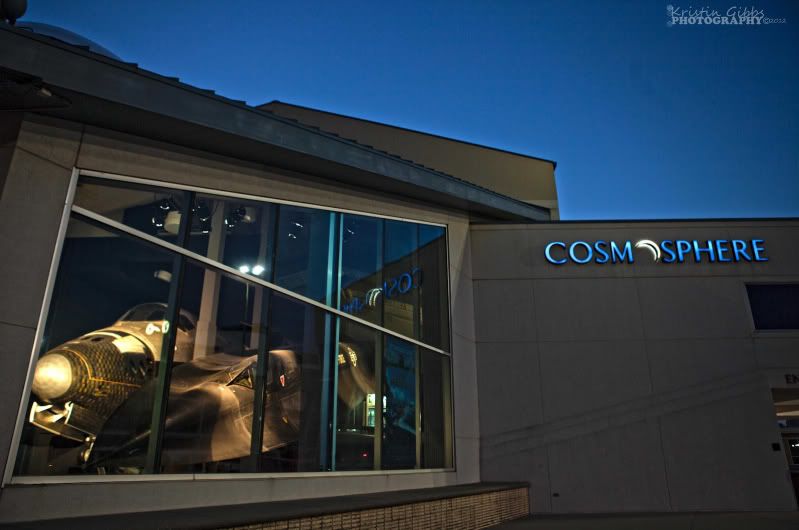
I'm lucky enough to get to drive by this example twice a day going to and from work, even better she attracts lots of pilots that like to tell stories. http://i62.photobucket.com/albums/h103/Ozman2/f4c7bec7f98fc76b78f364369da89217.jpg That is my favorite display. You can hug it!
|
|
Quoted:
I'm lucky enough to get to drive by this example twice a day going to and from work, even better she attracts lots of pilots that like to tell stories. http://i62.photobucket.com/albums/h103/Ozman2/f4c7bec7f98fc76b78f364369da89217.jpg One day I will visit the Cosmodrome. I already have the trip mapped out. Just need a summer to do it. Probably in the next two or three years. I can bring Highway 50 right back to western Colorado.
|
|
I was reading an article in a magazine about the SR72 spy drone they are building.
Awsome 
I wonder how they are going to get that thing to drop a bomb without disintegrating. |