


AR Sponsor

[ARCHIVED THREAD] - Recoil reducing rubber buffer tips (Page 2 of 7)
|
Quoted:
I’ve seen a dual spring setup called a Hilsabek Flatline, but I can’t find it for sale anywhere. https://www.youtube.com/watch?v=B6G5W91N1wE https://www.youtube.com/watch?v=tDNnP0M3Z5U However, the company appears to be out of business, and I haven't been able to find a single image of how it works. In terms of multi spring setups, DPM has a sort of reverse system. Rather then a multi buffer spring, they have a multi spring buffer: 
https://www.youtube.com/watch?v=uNOCSG9aGFo This doesn't remove the impact, but the double 1-2 compression cycle of the buffer should slow the overall recoil impulse more then the LARB or even a hydraulic buffer. Sadly there are no reviews out yet. |
|
Quoted: Isn't that how Glock Gen 4 and newer dual recoil springs work though? |
|
Quoted:
Basically yes but they use two springs of different rates rather than multiple rates engineered into a single spring. If developing a two spring system, make the first stage with enough room to reliably cycle and the second stages rate high enough to eliminate bottoming out on the aft end of the tube. Either way is better than a rubber buffer imo, just due to the fact that rubber will degrade and disintegrate with time alone, let alone with use and exposure to chemicals etc. Rubber is perishable and theres not much if anything that can be done to change that. Quoted:
Quoted: Isn't that how Glock Gen 4 and newer dual recoil springs work though? That was the primary development platform for the LARB. |
|
Quoted:
Isn't that how Glock Gen 4 and newer dual recoil springs work though? Quoted:
Quoted: 2 reasons this cant work. First, multi rate springs work by the coils compressing to a solid stack, that is horrible for springs and would never be used in a situation where every cycle needed to utilize it. This type of spring is only used in situations where most of the cycles do not reach second stage, and the second stage is only there for extreme impacts. Secondly, the distance between enough travel to cycle properly(including giving the magazine enough time to respond) and the carrier bottoming out is very small. For a spring to do anything in that distance it would have to have a rididculiusly high rate, which would then transfer the force nearly as much as just allowing for the impact. |
|
Quoted:
Rubber is perishable and theres not much if anything that can be done to change that. All of these are various synthetic 'rubber' polymers; the current AR buffer tip is polyurethane, which is its own type of synthetic, 'rubber like' polymer. Sorbothane, for example, is used currently to provide very soft and effective recoil pads for shotguns and hunting rifles, and seems like an ideal material: "Sorbothane is a proprietary, visco-elastic polymer. Sorbothane® is a thermoset, polyether-based, polyurethane material. In addition to being visco-elastic, Sorbothane® also has a very high damping coefficient. Sorbothane® combines shock absorption, good memory, vibration isolation and vibration damping characteristics. While many materials exhibit one of these characteristics, Sorbothane® combines all of them in a stable material with a long fatigue life. Sorbothane® has a low creep rate compared to other polymers (rubber, neoprene, silicone, etc.) Sorbothane® has a superior damping coefficient, over a very wide temperature range, compared to any other polymer. Sorbothane’s operating temperature range is -20° to +160° Fahrenheit (-29° to 72° Celsius). Unlike fluid-based shock absorbers or foam products, Sorbothane® absorbs shocks efficiently for millions of cycles." https://www.sorbothane.com/technical-data-sheet.aspx There are a number of other materials out there. But the point is, there is no reason to expect that these would wear out faster then the current polyurethane AR bumper thats been used for the last 50 years; polymer materials have only gotten better since 1960. |
|
Quoted:
But the point is, there is no reason to expect that these would wear out faster then the current polyurethane AR bumper thats been used for the last 50 years; polymer materials have only gotten better since 1960. But the big question is why try to soften inevitable impact? When you can eliminate it from ever occuring? The Ultimax is slick. I had to look it up, heres a vid explaining its recoil system. https://m.youtube.com/watch?v=o3WG6R5PsZ0 |
|
Quoted:
Absolutely they have, but all known rubbers (synthetic or not) have a lifespan that will expire even under the most ideal conditions just from age. Urethanes have a 5-10 year life expectancy, viton has a 20 year life expectancy, silicones have a 20+ year life expectancy. light, moisture, oxygen, heat, ozone, chemicals, temperature and use all contribute to rubber degredation v.s. spring steels that can last indefinitely in storage with a coat of grease and are unaffected by anything but extreme temps and cycle fatigue with longterm use. But the big question is why try to soften inevitable impact? When you can eliminate it from ever occuring? The Ultimax is slick. I had to look it up, heres a vid explaining its recoil system. https://m.youtube.com/watch?v=o3WG6R5PsZ0 Quoted:
Quoted:
But the point is, there is no reason to expect that these would wear out faster then the current polyurethane AR bumper thats been used for the last 50 years; polymer materials have only gotten better since 1960. But the big question is why try to soften inevitable impact? When you can eliminate it from ever occuring? The Ultimax is slick. I had to look it up, heres a vid explaining its recoil system. https://m.youtube.com/watch?v=o3WG6R5PsZ0 As for the Ultimax constant recoil system, there's no way to do that with the AR15; it will require designing a weapon with a longer receiver like the Ultimax. The Ultimax system is super simple - the receiver is ~2-3" longer then normal, to allow the bolt to travel an extra 2-3" beyond the ejection port. This extra travel provides enough time for the recoil spring to catch and stop the bolt before it impacts the receiver. Heres the SCAR 16, note the receiver ending shortly behind the pistol grip: 
And then the Ultimax, which extends several inches beyond the pistol grip: 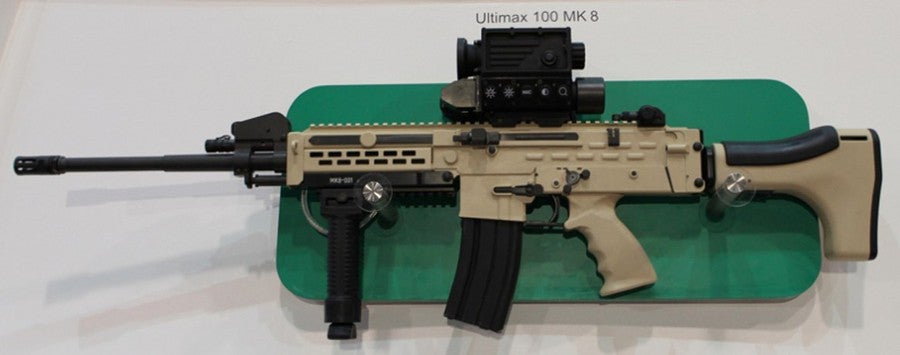
To do that with the AR15, the entire upper / lower / BCG would have to be redesigned to allow the carrier to travel an extra 2-3" beyond what it can currently travel. Without that re-design to eliminate bolt impact, the best we can do is reduce the effects of bolt impact. |
|
The Jones EAB and LARB bumpers, both arrived today. Cant try them out at the moment due to shift but Ill try them in several and buffer weights and compare them either Friday or Saturday at our department range if time permits.
The EAB is slightly softer than the LARB and the LARB is roughly drilled for the pin and still has a flap over the hole on one side that will need to be cleaned up. I'll post pics side by side when I can. |
|
Quoted:
The Jones EAB and LARB bumpers, both arrived today. Cant try them out at the moment due to shift but Ill try them in several and buffer weights and compare them either Friday or Saturday at our department range if time permits. The EAB is slightly softer than the LARB and the LARB is roughly drilled for the pin and still has a flap over the hole on one side that will need to be cleaned up. I'll post pics side by side when I can. |
|
I am sitting here looking at my LARB bumpers ( also just arrived , quick shipping )
They are quite bouncy... super ball bouncy. So while stiff feeling to the finger nail into the surface, or when compressed with a typical key... they clearly are capable of lessening the felt impact. Now I am even more curious how they will "feel" in use. Sorry for the less then scientific description... but its the best I got, prior to a real world trial. |
|
Quoted:
The Jones EAB and LARB bumpers, both arrived today. Cant try them out at the moment due to shift but Ill try them in several and buffer weights and compare them either Friday or Saturday at our department range if time permits. The EAB is slightly softer than the LARB and the LARB is roughly drilled for the pin and still has a flap over the hole on one side that will need to be cleaned up. I'll post pics side by side when I can. |
|
Quoted: I'm assuming we are just going to get report of how they 'feel' vs any real testing? Anything is better than nothing so don't think that's a bash! I was thinking of shooing it from a rest with a grid background if I can make one in time for a test that will show physical movement a little better to possibly show if it lessens the blow and maybe a down the sights view of the EOTechs movement. Time permitting of course if my first trial run show either being worth the time and effort. |
|
Quoted:
I am sitting here looking at my LARB bumpers ( also just arrived , quick shipping ) They are quite bouncy... super ball bouncy. So while stiff feeling to the finger nail into the surface, or when compressed with a typical key... they clearly are capable of lessening the felt impact. Now I am even more curious how they will "feel" in use. Sorry for the less then scientific description... but its the best I got, prior to a real world trial. |
|
Quoted:
The Jones EAB and LARB bumpers, both arrived today. Cant try them out at the moment due to shift but Ill try them in several and buffer weights and compare them either Friday or Saturday at our department range if time permits. The EAB is slightly softer than the LARB and the LARB is roughly drilled for the pin and still has a flap over the hole on one side that will need to be cleaned up. I'll post pics side by side when I can. |
|
Quoted: I'm assuming we are just going to get report of how they 'feel' vs any real testing? Anything is better than nothing so don't think that's a bash! -Regular Buffer (control) -EAB tip -LARB tip -LARB Buffer -Kynshot Hydraulic buffer -Armaspec Stealth Recoil System In terms of testing, TTAG developed a simple but reliable testing protocol during their Muzzle Break Shootout: https://www.thetruthaboutguns.com/556-muzzle-device-shootout/ The AR is strapped down to a shooting sled, loaded with 1x round. The sled is on a plastic table where it can slide freely under recoil. The starting distance is marked, and then the recoil distance the sled slides is recorded. Test repeated 2x per unit. An example of this type of testing: https://www.youtube.com/watch?v=ZI-70qQdY8Q For the buffer test, the exact same AR and ammo would be used, and just buffers would be swapped out and tested one after the other. The biggest issue is that this test won't measure smoothness vs sharpness of recoil. 2x buffers might have the same overall recoil force/recoil distance, but one buffer might spread this force out over a longer time, resulting in the perceived recoil being less / rifle being smoother to fire: 
The problems of getting a 'real' recoil test are covered in depth here: https://precisionrifleblog.com/2015/07/01/muzzle-brakes-recoil-primer-test-equipment-rifles/ |
|
Quoted:
Because this is a test of the "feel" can you test for time and score using a double blind protocol? Replace them right there at the range and do a rapid fire and see how much the spread grows or shrinks. Your shooting speed will have to be consistent or very close though. |
|
Quoted: I found a couple videos of the Flatline firing in FA and SA, and it looks awesome: https://www.youtube.com/watch?v=B6G5W91N1wE https://www.youtube.com/watch?v=tDNnP0M3Z5U However, the company appears to be out of business, and I haven't been able to find a single image of how it works. In terms of multi spring setups, DPM has a sort of reverse system. Rather then a multi buffer spring, they have a multi spring buffer: https://i.ibb.co/cF17bBF/Screen-Shot-2019-09-27-at-5-44-48-PM.png https://www.youtube.com/watch?v=uNOCSG9aGFo This doesn't remove the impact, but the double 1-2 compression cycle of the buffer should slow the overall recoil impulse more then the LARB or even a hydraulic buffer. Sadly there are no reviews out yet. |
|
Of note, Dead Foot Arms has been using a dual spring system for several years to keep the buffer system short. I've had one and it was notably smooth, even with 2.5" of receiver extension. Sorbo pads have been used in airsoft guns with high spring rates for over a decade. Those setups see tens of thousands of rounds per month and hold up well. They primarily use 70duro pads for high spring rates, which while not the same level of force as BCG recoil, are MUCH high spring rates than AR15 carbine springs. |
|
Quoted:
Those LARB bumpers are legit. His whole buffer is even better. Quoted:
Those LARB bumpers are legit. His whole buffer is even better. Quoted:
I’ve seen a dual spring setup called a Hilsabek Flatline, but I can’t find it for sale anywhere. Their facebook page hasn't had a post in a couple years and their website is down. I guess there were problems with the spring setup and they gave up on it. |
|
Quoted:
DPM would clearly be the best setup but dang...That's a lot of cash for a flipping buffer. The Kyntec hydraulic was 140 and it made a world of difference. Would have to be a huge improvement to justify a buck more for the DPM but I would love to compare the two. Not going to work for my 6 position carbine tube if I read the specs right. |
|
Quoted:
The DPM setup is the best buffer setup I've seen. However I doubt you will feel $230 worth of difference. Yikes Quoted:
Quoted: I found a couple videos of the Flatline firing in FA and SA, and it looks awesome: https://www.youtube.com/watch?v=B6G5W91N1wE https://www.youtube.com/watch?v=tDNnP0M3Z5U However, the company appears to be out of business, and I haven't been able to find a single image of how it works. In terms of multi spring setups, DPM has a sort of reverse system. Rather then a multi buffer spring, they have a multi spring buffer: https://i.ibb.co/cF17bBF/Screen-Shot-2019-09-27-at-5-44-48-PM.png https://www.youtube.com/watch?v=uNOCSG9aGFo This doesn't remove the impact, but the double 1-2 compression cycle of the buffer should slow the overall recoil impulse more then the LARB or even a hydraulic buffer. Sadly there are no reviews out yet. Despite the cost I'm still quite tempted; Graham Bates says it works quite well, in one of the few reviews I'm able to find: https://loadoutroom.com/47230/the-softest-shooting-ar-dpm-systems-buffer/ https://www.youtube.com/watch?v=ckl77Nmig5Y And this is a detailed shooting review (firing begins ~7:45) and it looks extremely flat and smooth: https://www.youtube.com/watch?v=F8Bz7Wr1FH0 It's definitely a catch 22 with the DPM. The high price keeps people from buying them because they don't know if it will be worth it, which in turn leads to a shortage of reviews about how well it works, which in turn keeps people from buying them... |
|
In terms of showing the effects a buffer / reduced bolt impact can have on recoil, this is the best video I've seen to date.
.308 AR10 - Regular Buffer vs Hydraulic Buffer. The 1:58 mark shows a side by side comparison. https://www.youtube.com/watch?v=V-5f_TlEHU8 Slowing the bolt impact results in a noticeably smoother / less sharp recoil impulse. |
|
Quoted:
In terms of showing the effects a buffer / reduced bolt impact can have on recoil, this is the best video I've seen to date. .308 AR10 - Regular Buffer vs Hydraulic Buffer. The 1:58 mark shows a side by side comparison. https://www.youtube.com/watch?v=V-5f_TlEHU8 Slowing the bolt impact results in a noticeably smoother / less sharp recoil impulse. |
|
Quoted:
Good video. I experienced a big difference in recoil with a hydraulic buffer also. Especially with controlling full auto. Learned a lot from amphibian during his extensive testing and posting on the CMMG RDB system. Pretty much copied most of his config for my rig. Quoted:
Quoted:
In terms of showing the effects a buffer / reduced bolt impact can have on recoil, this is the best video I've seen to date. .308 AR10 - Regular Buffer vs Hydraulic Buffer. The 1:58 mark shows a side by side comparison. https://www.youtube.com/watch?v=V-5f_TlEHU8 Slowing the bolt impact results in a noticeably smoother / less sharp recoil impulse. For those curious, most is documented in this thread: https://www.ar15.com/forums/Armory/Ferfrans-Bolt-Carrier/23-493014/#i5050320 I'd actually really like to see a head to head of the Amphibian (9mm Hydraulic Buffer + A5 Tube + Tubb flatwire) vs Sullivan/Surefires' new OBC in terms of which results in a more controllable FA / rate reduction. |
| I just did the tubb spring, hydraulic buffer, and a5 tube as amphibian recommended. It's absolutely phenomenal in a full auto suppressed crane spec mk18. I doubt it can be surpassed. I'll try and get a shot timer on it, but of feels mid 600's and far more controllable than any other automatic rifle I've fired. Just smooth. Interested to see how these tips work for a cheaper upgrade in my semi auto guns |
|
Quoted:
I just did the tubb spring, hydraulic buffer, and a5 tube as amphibian recommended. It's absolutely phenomenal in a full auto suppressed crane spec mk18. I doubt it can be surpassed. I'll try and get a shot timer on it, but of feels mid 600's and far more controllable than any other automatic rifle I've fired. Just smooth. Interested to see how these tips work for a cheaper upgrade in my semi auto guns |

|
Quoted:
Yes, Amphibians testing is some of the best content I've seen on Arfcom. He's basically figured out through experimentation what Jim Sullivan has spent 20+ years on in improving the AR's FA controllability. For those curious, most is documented in this thread: https://www.ar15.com/forums/Armory/Ferfrans-Bolt-Carrier/23-493014/#i5050320 I'd actually really like to see a head to head of the Amphibian (9mm Hydraulic Buffer + A5 Tube + Tubb flatwire) vs Sullivan/Surefires' new OBC in terms of which results in a more controllable FA / rate reduction. Quoted:
Quoted:
Quoted:
In terms of showing the effects a buffer / reduced bolt impact can have on recoil, this is the best video I've seen to date. .308 AR10 - Regular Buffer vs Hydraulic Buffer. The 1:58 mark shows a side by side comparison. https://www.youtube.com/watch?v=V-5f_TlEHU8 Slowing the bolt impact results in a noticeably smoother / less sharp recoil impulse. For those curious, most is documented in this thread: https://www.ar15.com/forums/Armory/Ferfrans-Bolt-Carrier/23-493014/#i5050320 I'd actually really like to see a head to head of the Amphibian (9mm Hydraulic Buffer + A5 Tube + Tubb flatwire) vs Sullivan/Surefires' new OBC in terms of which results in a more controllable FA / rate reduction. As I posted before, while I do like the idea of increasing the carrier travel it also increases the potential energy to slam into the bolt hold open on the last round. In addition, since the carrier also has that spring loaded weight, it makes the situation even worse. I wouldn't want to do this extensively on an expensive registered receiver M16 lower. I would do it with a RDIAS or post sample though. I was also thinking that using the Surefire OBC + A5 and maybe the Kynshot RB5005 may work....giving the longer stroke but by using the hydraulic, help cushion the impact on the BHO. |
| I took a detailed look at the LARB buffer tip. I used an accelerometer app for my phone and strapped it to the stock to try and get some objective information. Also looked at the cycle times. It does what it says. It slows the total rearward cycle time, softens the impact impulse measured at the stock and decreases the forward cycle time (the "bounce back" effect). I just have not put the video together yet. Too hot and buggy on my property to go out and finish the review. Not worth it considering the amount of support I have gotten on my channel. I will finish up the review when it cools off here. Bottom line is that it does do what Nick claims. |
|
Quoted:
I took a detailed look at the LARB buffer tip. I used an accelerometer app for my phone and strapped it to the stock to try and get some objective information. Also looked at the cycle times. It does what it says. It slows the total rearward cycle time, softens the impact impulse measured at the stock and decreases the forward cycle time (the "bounce back" effect). I just have not put the video together yet. Too hot and buggy on my property to go out and finish the review. Not worth it considering the amount of support I have gotten on my channel. I will finish up the review when it cools off here. Bottom line is that it does do what Nick claims. We all appreciate your time and effort, I am looking forward to the LARB buffer tips more and more. Now I am glad I bought more than one ! FWIW... I also forgot to mention... the added swag with the LARB tips is appreciated... that might sound corny, but the little things do add up. |
|
Quoted:
I took a detailed look at the LARB buffer tip. I used an accelerometer app for my phone and strapped it to the stock to try and get some objective information. Also looked at the cycle times. It does what it says. It slows the total rearward cycle time, softens the impact impulse measured at the stock and decreases the forward cycle time (the "bounce back" effect). I just have not put the video together yet. Too hot and buggy on my property to go out and finish the review. Not worth it considering the amount of support I have gotten on my channel. I will finish up the review when it cools off here. Bottom line is that it does do what Nick claims. https://www.youtube.com/channel/UChuf4US5bFAgpeCYFys02XQ/videos If so, I'm a big fan of your work / testing. I watched all of your LARB videos a year back or so, as well as your T91 review. In regards to the LARB tip, that's very encouraging to hear, I look forward to your complete review. If we were able to get you other buffers / buffer tips, would you be interested in testing them? For example, the new EAB tip in the OP, vs the LARB tip. Or the effects of a Hydraulic Buffer vs the LARB, etc. |
|
Quoted:
I'd be happy to test a Surefire OBC with my setup but I'm too skeptical to drop $400 on one. I'd gladly test one and send it back if someone has one. As I posted before, while I do like the idea of increasing the carrier travel it also increases the potential energy to slam into the bolt hold open on the last right. In addition, since the carrier also has that spring loaded weight, it makes the situation even worse. I wouldn't want to do this extensively on an expensive registered receiver M16 lower. I would do it with a RDIAS or post sample though. I was also thinking that using the Surefire OBC + A5 and maybe the Kynshot RB5005 may work....giving the longer stroke but by using the hydraulic, help cushion the impact on the BHO. Quoted:
Quoted:
Quoted:
Quoted:
In terms of showing the effects a buffer / reduced bolt impact can have on recoil, this is the best video I've seen to date. .308 AR10 - Regular Buffer vs Hydraulic Buffer. The 1:58 mark shows a side by side comparison. https://www.youtube.com/watch?v=V-5f_TlEHU8 Slowing the bolt impact results in a noticeably smoother / less sharp recoil impulse. For those curious, most is documented in this thread: https://www.ar15.com/forums/Armory/Ferfrans-Bolt-Carrier/23-493014/#i5050320 I'd actually really like to see a head to head of the Amphibian (9mm Hydraulic Buffer + A5 Tube + Tubb flatwire) vs Sullivan/Surefires' new OBC in terms of which results in a more controllable FA / rate reduction. As I posted before, while I do like the idea of increasing the carrier travel it also increases the potential energy to slam into the bolt hold open on the last right. In addition, since the carrier also has that spring loaded weight, it makes the situation even worse. I wouldn't want to do this extensively on an expensive registered receiver M16 lower. I would do it with a RDIAS or post sample though. I was also thinking that using the Surefire OBC + A5 and maybe the Kynshot RB5005 may work....giving the longer stroke but by using the hydraulic, help cushion the impact on the BHO. In regards to buffers, did you see the DPM buffer posted earlier? It has a 2 stage compression cycle, as opposed to the 1x compression of the hydraulic buffer. I think it could actually perform better. Buffer cycle animation at 0:38: https://www.youtube.com/watch?v=uNOCSG9aGFo 
Downside is, at $205, it is more expensive then the hydraulic buffer. https://www.rainierarms.com/dpm-recoil-reduction-system-ar-15-223-5-56/ |
| Guess I can chime in. One of my original test designs looked very similar to the EAB cap. We ended up finding it to be “unstable” and it “folded over” under sustained full auto fire. No knocking their design, I just went a different route after our testing. We also ended up with a harder cap after several years of testing, we found a firmer, higher durometer actually gave us more desirable results. We also have the rate reducing tail cap, just haven’t really pushed it yet. My tail caps (and buffers) have lifetime warranties as well... |
|
Quoted:
Guess I can chime in. One of my original test designs looked very similar to the EAB cap. We ended up finding it to be “unstable” and it “folded over” under sustained full auto fire. No knocking their design, I just went a different route after our testing. We also ended up with a harder cap after several years of testing, we found a firmer, higher durometer actually gave us more desirable results. We also have the rate reducing tail cap, just haven’t really pushed it yet. My tail caps (and buffers) have lifetime warranties as well... Since the LARB bumper is longer than the conventional hard bumper, would this have the effect of reducing BCG overtravel over the magazine? Surefire's OBC allows the carrier to travel further back and give the magazine more time to feed the next round. I'm wondering if the length of the LARB bumper might have the opposite effect by reducing the time window during which the magazine can present the next cartridge? I'm sure the softer rubber bumper would compress more than the mil-spec bumper which would offset the increased length to some degree, I'm just interested in how much. Conversely, if the bumper compresses too much, you'd be getting gas key-receiver impact. I've heard you've done extensive testing with your designs and I don't doubt the ability of the buffer to function in a range environment, but I'm wondering if there might be any issues when you see tolerance stacking in less than ideal conditions. For $15 it doesn't hurt to try it out, I just don't want to see a malfunction in my rifle and then wonder what out of the multiple variables might have caused it. |
|
Quoted:
Hey, so here's something I'm interested in. Since the LARB bumper is longer than the conventional hard bumper, would this have the effect of reducing BCG overtravel over the magazine? Surefire's OBC allows the carrier to travel further back and give the magazine more time to feed the next round. I'm wondering if the length of the LARB bumper might have the opposite effect by reducing the time window during which the magazine can present the next cartridge? I'm sure the softer rubber bumper would compress more than the mil-spec bumper which would offset the increased length to some degree, I'm just interested in how much. Conversely, if the bumper compresses too much, you'd be getting gas key-receiver impact. I've heard you've done extensive testing with your designs and I don't doubt the ability of the buffer to function in a range environment, but I'm wondering if there might be any issues when you see tolerance stacking in less than ideal conditions. For $15 it doesn't hurt to try it out, I just don't want to see a malfunction in my rifle and then wonder what out of the multiple variables might have caused it. |
|
Quoted: In a perfect world, yes, the LARB cap compresses down to mil spec OAL when used. Now, every single rifle runs different but over all that’s how it functions. The combination of the shape and material make the cap work. We run (as well as a ton of other people) these in full auto, in a variety of different hosts as well as normal, times semi auto. We have never, to date had a mag feeding issue. I will confidently say it’s a non issue. I like the SF system, I have extensive knowledge of it... But I can’t say any more due to NDAs in place. I’ve been involved in a ton of little projects over that last few years that are very well known. And I can’t say anything. LOL! And yes, you can stack tolerances that don’t jive. Even if you use top tier parts. That’s just machines, not anyone’s fault. That’s why you add one component at a time. So when/if you have issues, you isolate them better. |
|
Quoted:
So - since we can't put one of these gadgets on a hydraulic buffer... Can we cut the existing tip off the buffer, and put this tip @ the bottom of the buffer tube? |
|
Quoted:
So - since we can't put one of these gadgets on a hydraulic buffer... Can we cut the existing tip off the buffer, and put this tip @ the bottom of the buffer tube? Come to think of it I have to pull back pretty hard to engage the bolt stop. I don't think I have enough travel for anything else. This? Too soft? Absolutely not or might work at bottom of tube retained by spring? Silicone bumper |
|
Quoted:
Bingo? Something like a buffer spacer ie. conical tip, shoulder, diameter to press fit into bottom of spring? Don't want to cut the tip off the 140 buck hydraulic buffer though. Isn't the conical bumper longer than the typical end bumper anyway? Come to think of it I have to pull back pretty hard to engage the bolt stop. I don't think I have enough travel for anything else. This? Too soft? Absolutely not or might work at bottom of tube retained by spring? Silicone bumper Quoted:
Quoted:
So - since we can't put one of these gadgets on a hydraulic buffer... Can we cut the existing tip off the buffer, and put this tip @ the bottom of the buffer tube? Come to think of it I have to pull back pretty hard to engage the bolt stop. I don't think I have enough travel for anything else. This? Too soft? Absolutely not or might work at bottom of tube retained by spring? Silicone bumper The A5 buffer tube is 0.75" longer then a regular carbine buffer tube. That would allow you to have a little 3D printed nylon base at the bottom of the buffer tube, size like a mini buffer. The 'mini buffer' would then just attach a LARB tip like a regular buffer. Some sophisticated engineering drawings 
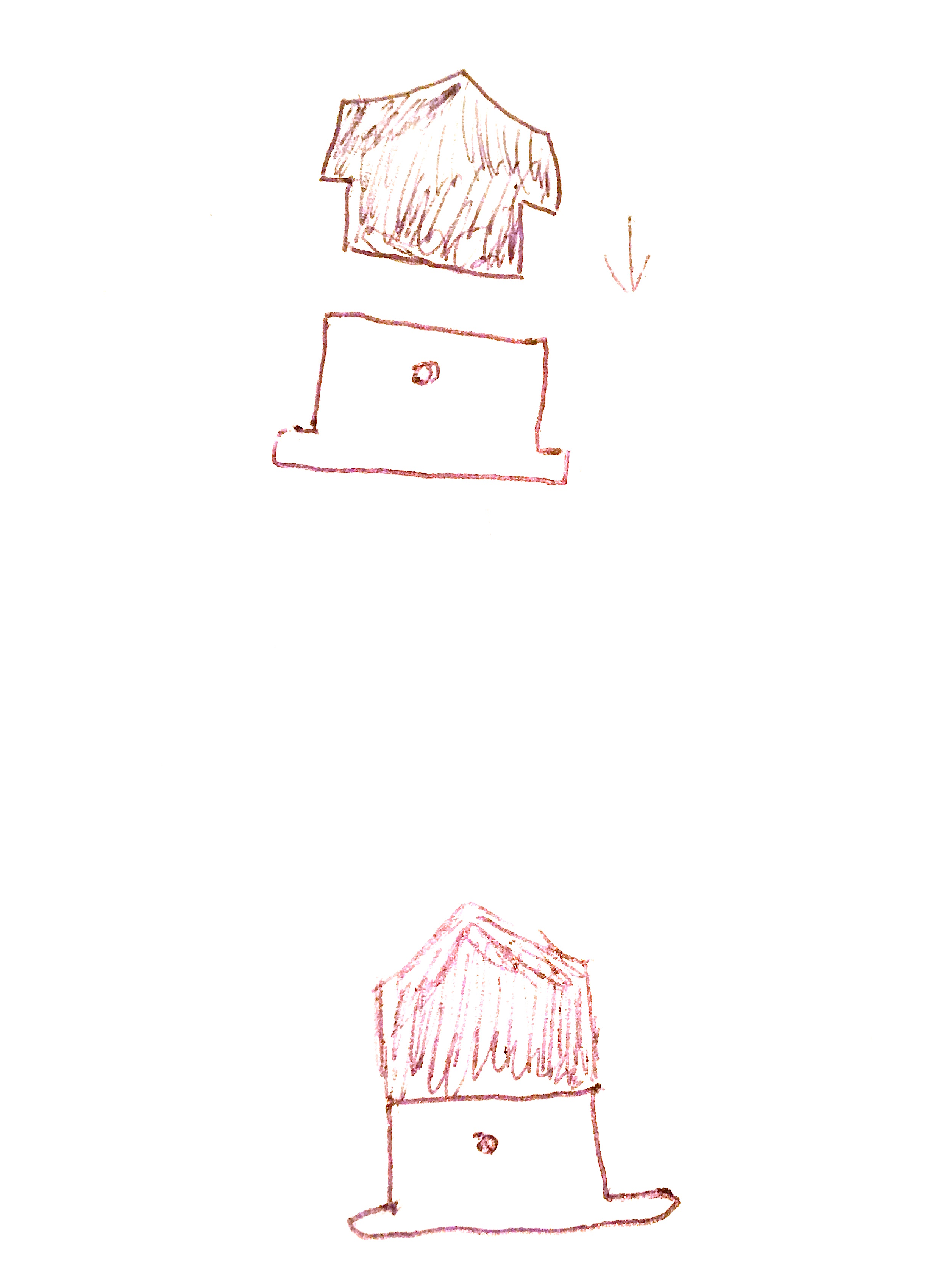
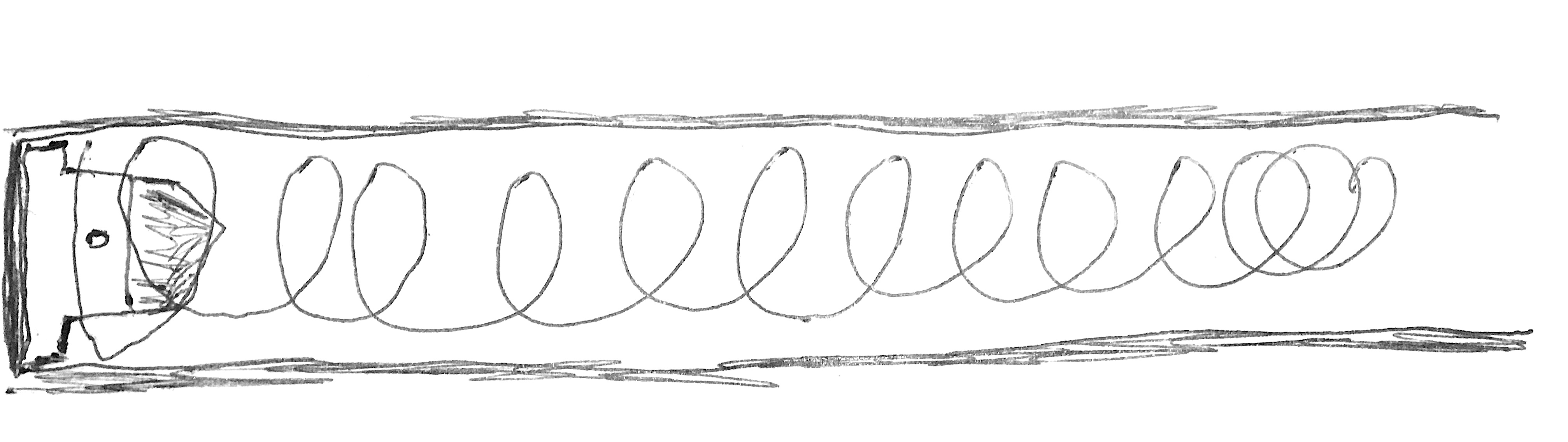
To work you'd need the complete 'buffer base unit' to be 0.75" long, and then would use a regular carbine length hydraulic buffer. The goal is something similar to the PWS buffer tube rubber base, designed to provide a rubber-to-rubber impact for maximum shock absorption: 
|
[ARCHIVED THREAD] - Recoil reducing rubber buffer tips (Page 2 of 7)
AR Sponsor