


[ARCHIVED THREAD] - A different kind of AR15... (Page 1 of 3)
Posted: 9/17/2009 6:20:28 PM EDT
|
"Fishing Boats" didn't seem like the appropriate forum because I won't be doing much fishing.
Anyways, I'm pretty handy and I like building things so I think I'm going to go full-retard and build myself a boat. This isn't unusual for me as I decided to build/assemble an AR15 as a first gun with only a little shooting experience. So here's my winter project: Alexa's Rocket 15 (AR15) 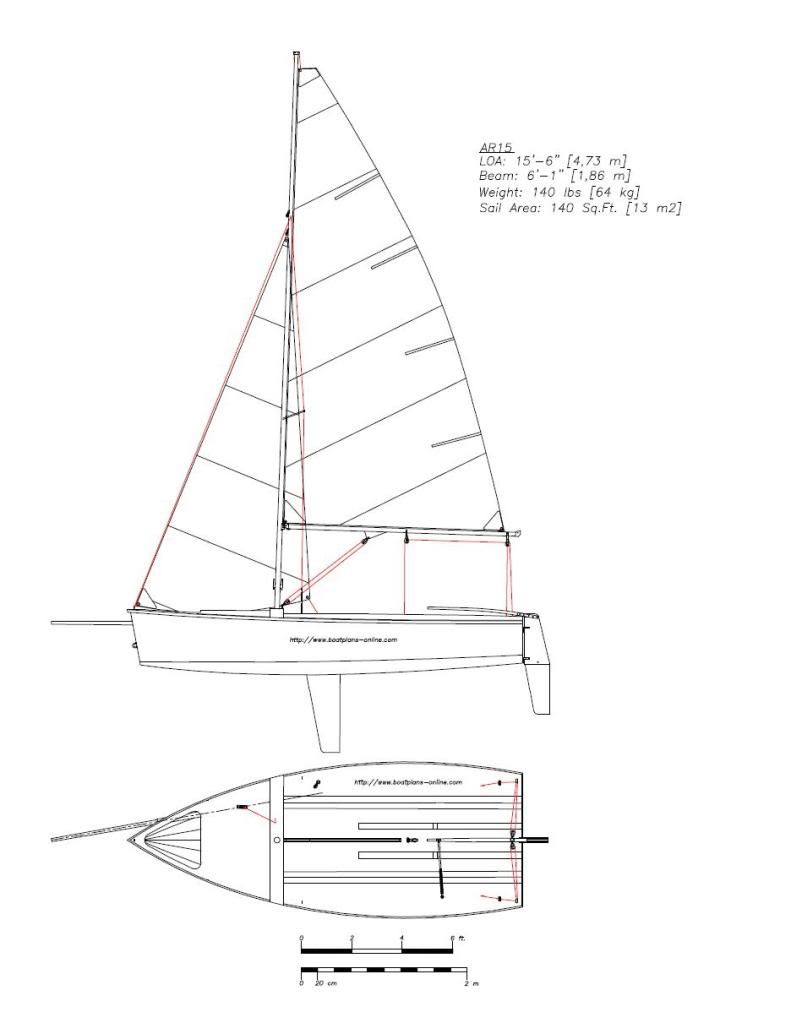
Do we have any sailors out there? The only thing I'm worried about is the fact that my limited sailing experience will mean I can only make an educated guess about the rigging setup. I'll probably have to redo it once I figure out what I like. |
|
Update:
I have the plans in hand and have decided to make a 1/8 scale model. Hopefully this will allow me to find any kinks and experiment with a few mods on the basic plans. I am really awful at documenting my projects but I'll make an effort to provide some pictures over the next few months. 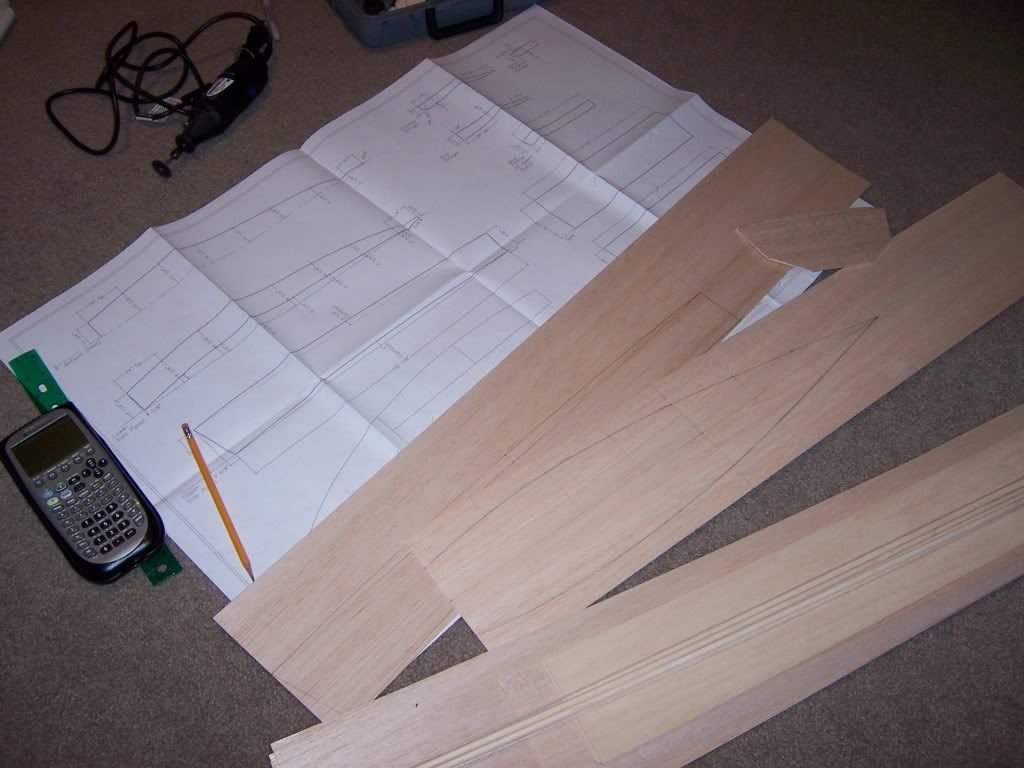
|
|
I'm a sailor, and boatbuilder. Currently, I'm finishing the first boat that I've designed on my own.
I lean towards daysailers, punts, and pirogues. The old time American working boats documented by Howard Chappelle are a big influence on me. If you haven't already discovered it, here's Duckworks Magazine which has a new article every weekday. I prefer it to Woodenboat, as Woodenboat tends to focus on pretty, labor/money intensive boats that take years to build. DW is more along the lines of red-neck engineering. 
They also have a supply house here, with plans: http://www.duckworksbbs.com/ Edit: Multi chine, I'm guessing stich and glue??? You could have picked an easy one for you're first build. 
The rigging: It's a sloop rigged marconi with a slight genoa. I prefer more traditional rigs, but I've sailed plenty of bermudas and they tend to point to wind very well, sail twist is rarely a problem, and all the local sailors will be able to give you advice on how to trim it properly. The boom vang (The boom vang keeps the boom from lifting up)in your plans is mandatory as bermudas are not self vanging. |
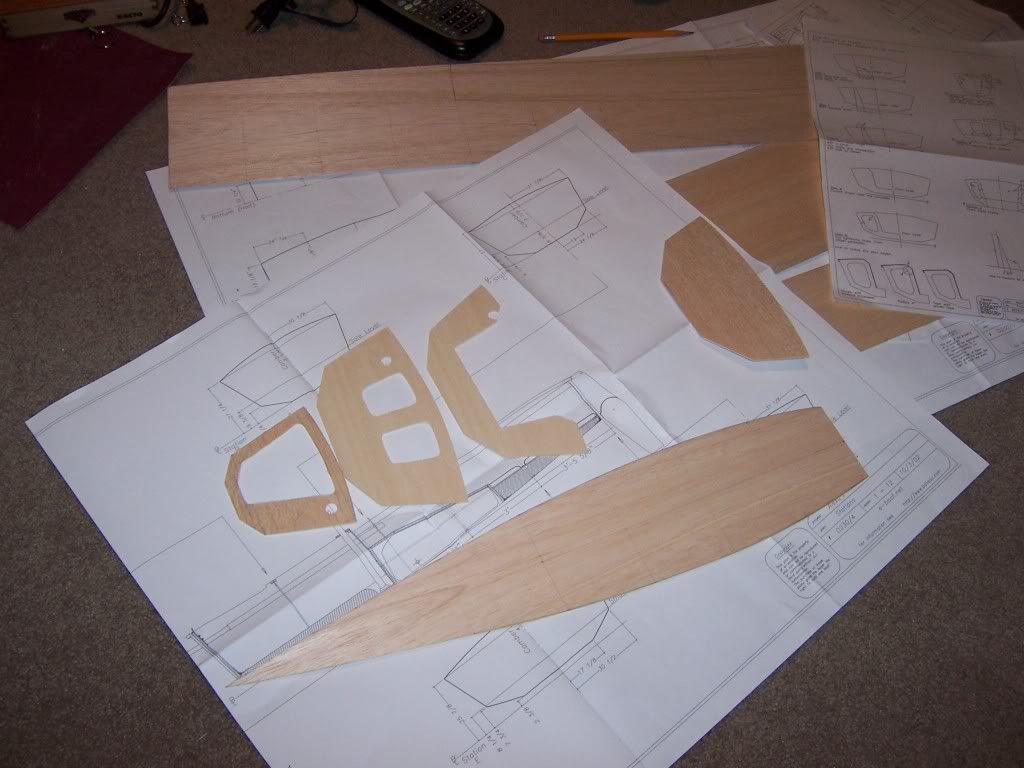
Progress is slow, but steady.
Quoted:
Edit: Multi chine, I'm guessing stich and glue??? You could have picked an easy one for you're first build.
The rigging: It's a sloop rigged marconi with a slight genoa. I prefer more traditional rigs, but I've sailed plenty of bermudas and they tend to point to wind very well, sail twist is rarely a problem, and all the local sailors will be able to give you advice on how to trim it properly. The boom vang (The boom vang keeps the boom from lifting up)in your plans is mandatory as bermudas are not self vanging. Thanks for the Duckworks link. It is a multi chine stitch and glue. Sure, I could have made a canoe or something for my first boat but I have no interest in owning a canoe. I thought the stitch and glue method would be fairly easy for starting out... What would you have recommend? I know what kind of rig it is, my question was more about where to locate the lines and other hardware. I have an idea of where to put most of it, but I just don't know what works best and I don't want to have to change everything after my first time out. Any suggestions would be appreciated. |
|
Quoted:
Progress is slow, but steady. Thanks for the Duckworks link. It is a multi chine stitch and glue. Sure, I could have made a canoe or something for my first boat but I have no interest in owning a canoe. I thought the stitch and glue method would be fairly easy for starting out... What would you have recommend? I know what kind of rig it is, my question was more about where to locate the lines and other hardware. I have an idea of where to put most of it, but I just don't know what works best and I don't want to have to change everything after my first time out. Any suggestions would be appreciated. Stitch and glue is easy, and it produces a very strong, lightweight boat. For a first time boat builder, I would have to give the nod to the PDR, it's hard to beat a boat you can build in a weekend. Some people can't get over the fact that it looks like a shoebox, but the time/money to fun ratio is probably higher than any other sailboat boat. If that's too boxy for you, you can go with an external chine skiff, which are very easy to build. As for rigging it's highly personal. You can find diagrams all over the place on how to vary the mainsheet. It can run to your hand from high or low, or from the front or the rear. The main thing to think about in that regard is tacking and jibing. You'll have to change sides of the boat when you tack/jibe, and switch hands (one on the tiller the other on the mainsheet.) You want a setup that let's you do that as smoothly as possible. It also helps to consider where the crewman will be as he will also have to switch sides, and the less obstacles he has to work around the better. He won't have the tactile feedback from the mainsheet to tell him when the boom is going to switch, like the helmsman will. So it's best if he can focus on ducking under the boom, and not have to worry about tangling in the mainsheet. Some people will place a cleat somewhere for the mainsheet. I highly recommend you do not. It's fine on a large boat, but on a boat that size you want the mainsheet in your hand so that you can ease the mainsail in a puff. For the foresail I recommend 4 cam cleats with straps in case you take someone along with you. The person in front is called the "crew" and manages the jib, (and cruising chute if you have one) and balances the boat. (They may also have to manage the halyard, and centerboard/daggerboard from time to time.) The person in the rear is the "helm" and manages the tiller and the mainsheet. With four cam cleats for the jib you can place two up front for those times when you have a crew to run the jib. Then place two more towards the rear for when you're single handing. It will make it easier to cleat and uncleat if they're near you, and you can use the straps on the fore pair of cleats as fairleads to run the line back to the second pair. |
|
Quoted:
For the foresail I recommend 4 cam cleats with straps in case you take someone along with you. The person in front is called the "crew" and manages the jib, (and cruising chute if you have one) and balances the boat. (They may also have to manage the halyard, and centerboard/daggerboard from time to time.) The person in the rear is the "helm" and manages the tiller and the mainsheet. With four cam cleats for the jib you can place two up front for those times when you have a crew to run the jib. Then place two more towards the rear for when you're single handing. It will make it easier to cleat and uncleat if they're near you, and you can use the straps on the fore pair of cleats as fairleads to run the line back to the second pair. Thanks, I think that's exactly what I'll do! I haven't had much time to work on this until the last two days. I've been helping a few friends build barns because they're going enough to let me hunt their land... They're even going to show me what to do with the animal once I shoot it! Yep, I'm picking up a few new hobbies this year... 
Work on the model continues while I prepare my garage for the real build. |
|
Your plan set ought to at least diagram, if not spec, the rigging and its hardware. There's "standing" rigging, which supports the mast ––- shrouds and forestay, in the case of this small sail rig, and "running" rigging, the tackle that controls the sails' shape, position, attitude, etc. The plan view posted appears to misportray the desired arrangement of the mainsheet, which should be routed from a block on a rope "traveler" up to the aft end of the boom, forward to about the middle of the boom, and then down to a swiveling-base block mounted on the aft end of the centerboard trunk, ideally with a self-camming mechanism. You'll probably want to add some mechanical advantage to the mainsheet arrangement, by using double-sheave blocks beneath the boom, or at the forwardmost boom block and the CB trunk. Look at the running rigging on similar size boats for a sense of how it ought to fit together.
This is an ambitious project, which will doubtlessly provide a great sense of satisfaction on its completion ––-bon voyage[i]. |
|
Quoted:
The plan view posted appears to misportray the desired arrangement of the mainsheet, which should be routed from a block on a rope "traveler" up to the aft end of the boom, forward to about the middle of the boom, and then down to a swiveling-base block mounted on the aft end of the centerboard trunk, ideally with a self-camming mechanism. You'll probably want to add some mechanical advantage to the mainsheet arrangement, by using double-sheave blocks beneath the boom, or at the forwardmost boom block and the CB trunk. Look at the running rigging on similar size boats for a sense of how it ought to fit together. ––-bon voyage[i]. It's hard to tell from the plan view... look at the top down view is that a block on the hull just aft of the centerboard trunk? Even if the mainsheet does run straight down from the boom to the helmsman, that's not necessarily a bad thing. You're describing a fairly common set up for yachts and many production daysailors, but there is alot more variance in the way smaller boats are rigged. Running the ms down from the boom is a pretty common way for designers to keep the rigging out of the cockpit area on smaller boats. With that setup there is no mainsheet to trip over when tacking. Many small production boats use the same setup. The Oday Daysailer I used the same rigging IIRC. When Oday went to the DS II they added the block at the CB. Off the top of my head, other boats that use that rigging setup are the Cape Dory 10, many of the Sunfish variants and knockoffs etc. Also that boat is right at the cutoff where I feel the mainsheet should not be self-camming. I'ld have to sail it to know for sure, but once you get into boats smaller than 16' you just don't have the righting force from foil and ballast, that you would want for a cammed mainsheet. They broach so much faster than a larger boat that I feel it's better to have the mainsheet in hand ready to ease the mainsail in a gust. |
|
Quoted:
"Fishing Boats" didn't seem like the appropriate forum because I won't be doing much fishing. Anyways, I'm pretty handy and I like building things so I think I'm going to go full-retard and build myself a boat. This isn't unusual for me as I decided to build/assemble an AR15 as a first gun with only a little shooting experience. So here's my winter project: Alexa's Rocket 15 (AR15) http://i162.photobucket.com/albums/t242/jsriolo/boat/ar15.jpg Do we have any sailors out there? The only thing I'm worried about is the fact that my limited sailing experience will mean I can only make an educated guess about the rigging setup. I'll probably have to redo it once I figure out what I like. whoa... does that say the boat weighs 140 lbs?? |

|
When Oday went to the DS II they added the block at the CB. Off the top of my head, other boats that use that rigging setup are the Cape Dory 10, many of the Sunfish variants and knockoffs etc.
Hey, if you know anything about the Cape Dory 10, please respond, as I have a story about one to tell. Otherwise, there are other, alternative, running rigging options, but the ability to quickly cleat the mainsheet is very desirable ––- frees both hands to light a smoke or etc. ––- but, should be camcleat or etc., allowing instant relief... |
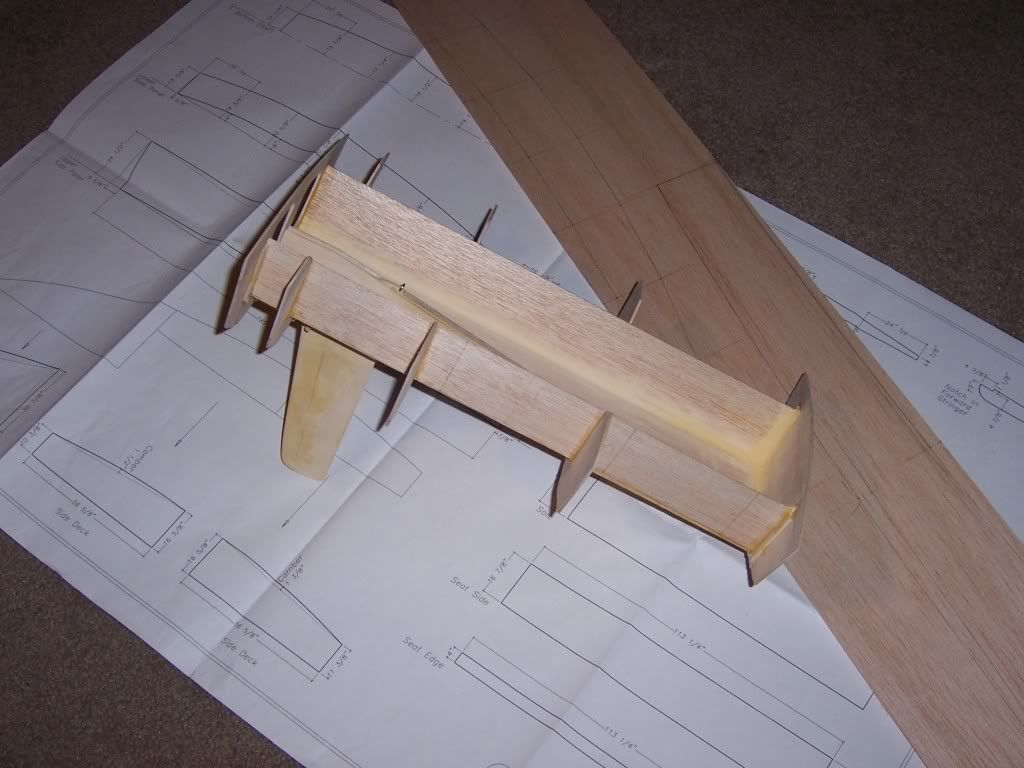
Going hunting tomorrow. I am going to pull the trigger on my materials soon. Marine ply and epoxy is expensive! I haven't decided whether I should go with okoume or meranti so if you have an opinion let me know. I am leaning toward meranti because it is stronger, more rot resistant, and cheaper. The fact that it's a bit heavier doesn't bother be because I'm probably going to overbuild a bit in anticipation of the beating I'm inevitably going to give it.
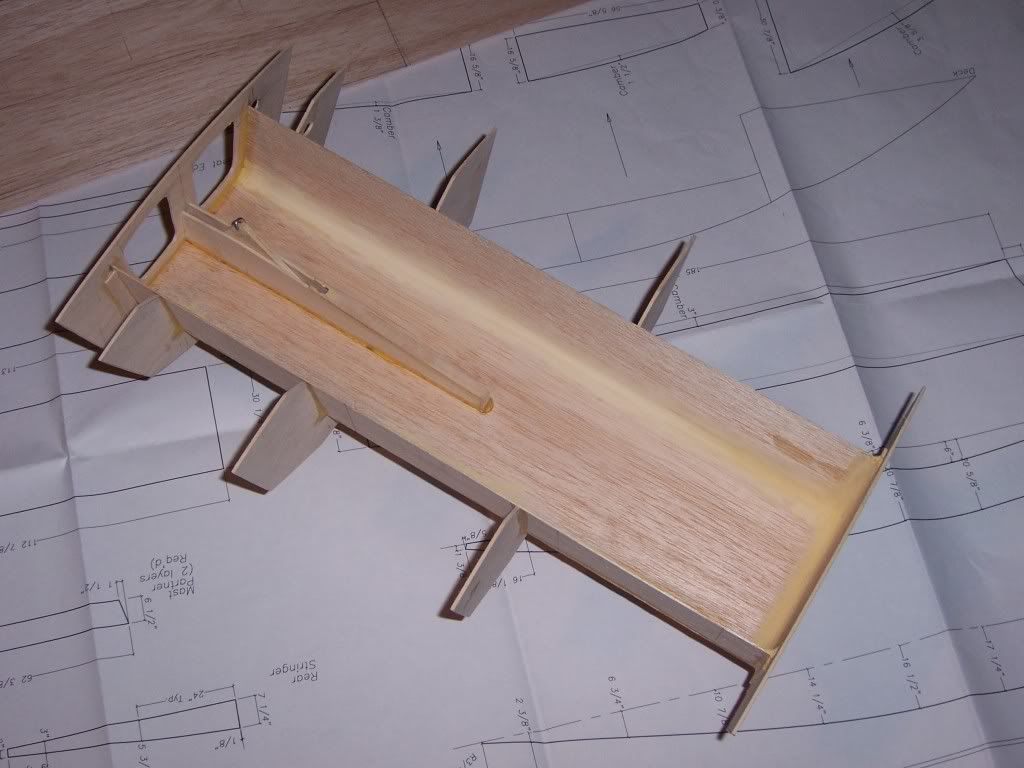
|
Well, I have been a little busy hunting and setting this up:
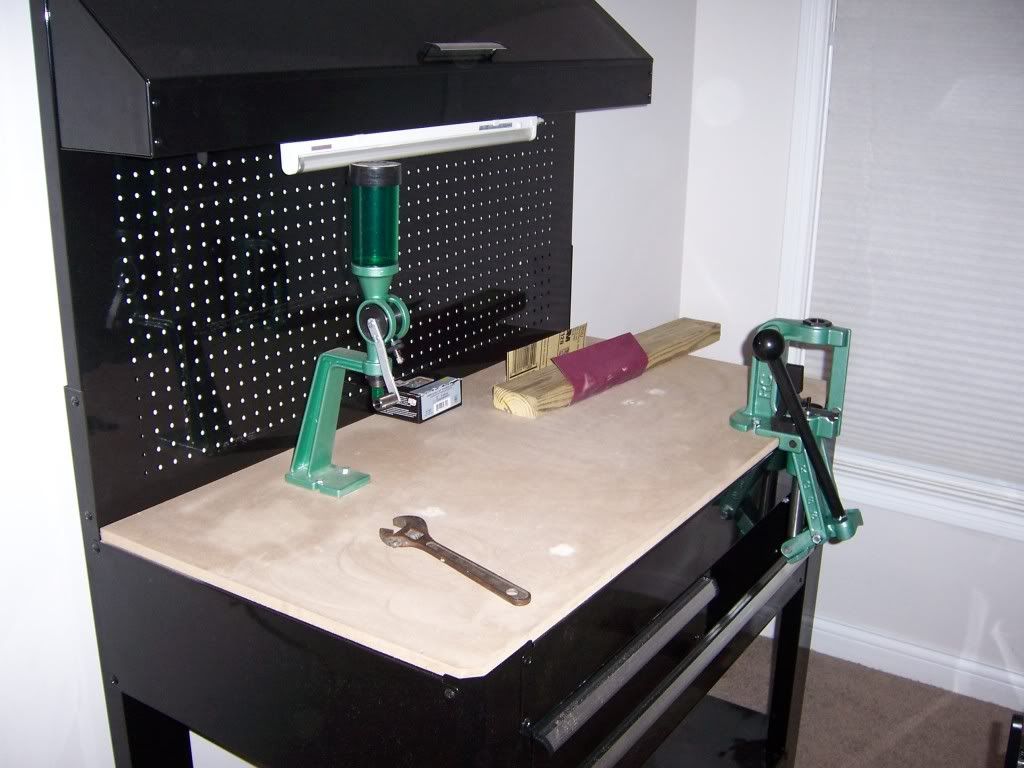
Yeah, it's getting a little cold in the garage so I got something a little nicer than 2x6s and plywood. Its not bad - I just needed to sure up the top and it's g2g! OHHHHHHHHHHHHHHHH - UPDATE! I ordered the materials and I'm taking off next week to build it (assuming materials get here). Edit: Drunk. |
|
Quoted:
Looking good. Do some reading on epoxy work in the cold. (I face the opposite prob where I live, gets so hot in the summer the epoxy kicks off too fast.) What are you weighting the centerboard with, lead? I am aware that epoxy work in the cold is a no-no. I have not looked at the details, but I was assuming I'd have to put a space heater or something in the garage for when I'm working. Yep, lead. |
|
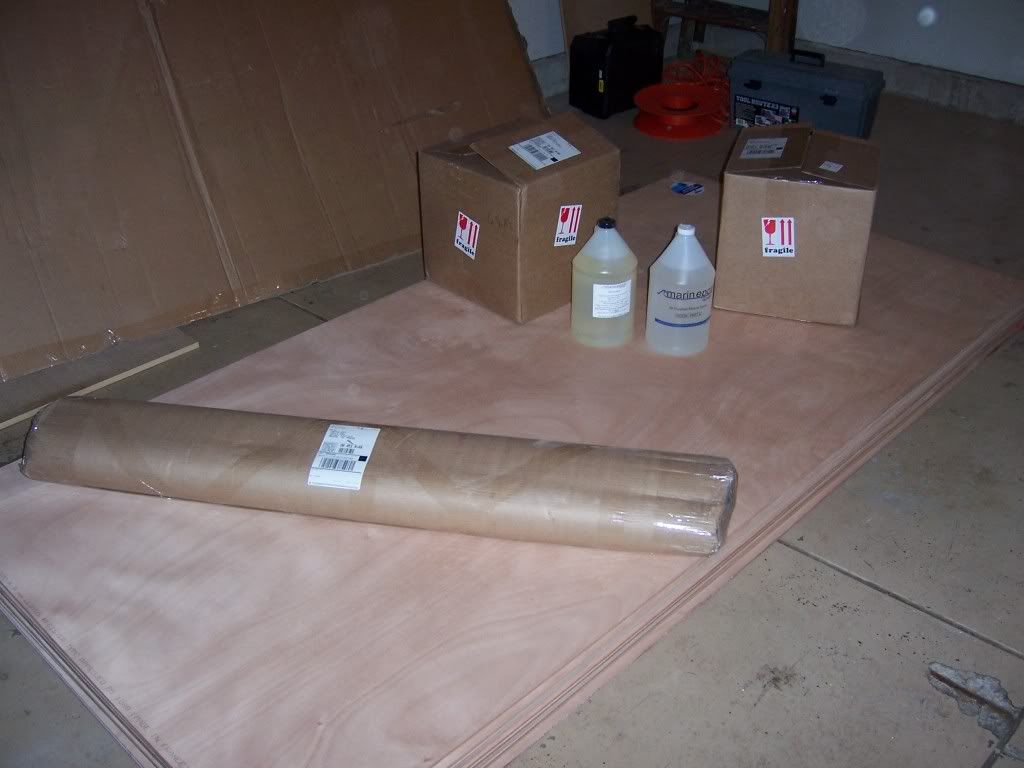
The bench is Lowes brand with some upgrades (secure worktop to bench).
I am off work for the rest of the year because they will not let me roll over vacation. Guess I'll focus on the boat. I believe I have everything that I need, but prep work continues. I have built a loft to get my plywood off the ground because space is limited. I am also going to hang some type of divider so I am not heating the whole garage... Which brings me to my first major oversight of the project: I bought slow hardener because I figured I'd need the extra time being a newbie. However, because of the temps I'm working in I should have gotten fast hardener. I am not even sure the slow hardener will work at all with normal garage temps so heating becomes very important. 
|
|
I use slow hardener for fillets in the summer and medium for glass work. Some folks use fast for glass.
I would do some small test batches. I've read horror stories of guys going to bed with a slick epoxy finish that they thought was kicking off, on their boat in a heated barn, and getting up to find it dripping off in the morning. You might ask around the Woodenboat forums, they seem to have more Northern builders that would likely face your temp ranges. Duckworks tends to have builders from all over including the Southern US, and Europe. Seeing all that ply and poxy...I feel the same thing as when I look at a brand new stripped AR lower. 
P.S. I've been using that Marinepoxy ever since Chuck L. of Duckworks turned me onto it. I have a buddy that uses the expensive West System stuff and I can't tell any difference. I've spoken to Dave Carnell (the guy that updated Bolger's Featherwind, and for whom the Payson/Carnell butt joint is named) about it and he claims that nearly every companies resin is the same. He says most of the difference lies in each company having thier own hardener recipe. Dave used to be a chemical engineer, and has seen alot of epoxy in his day so I'm willing to take his word for it. |
|
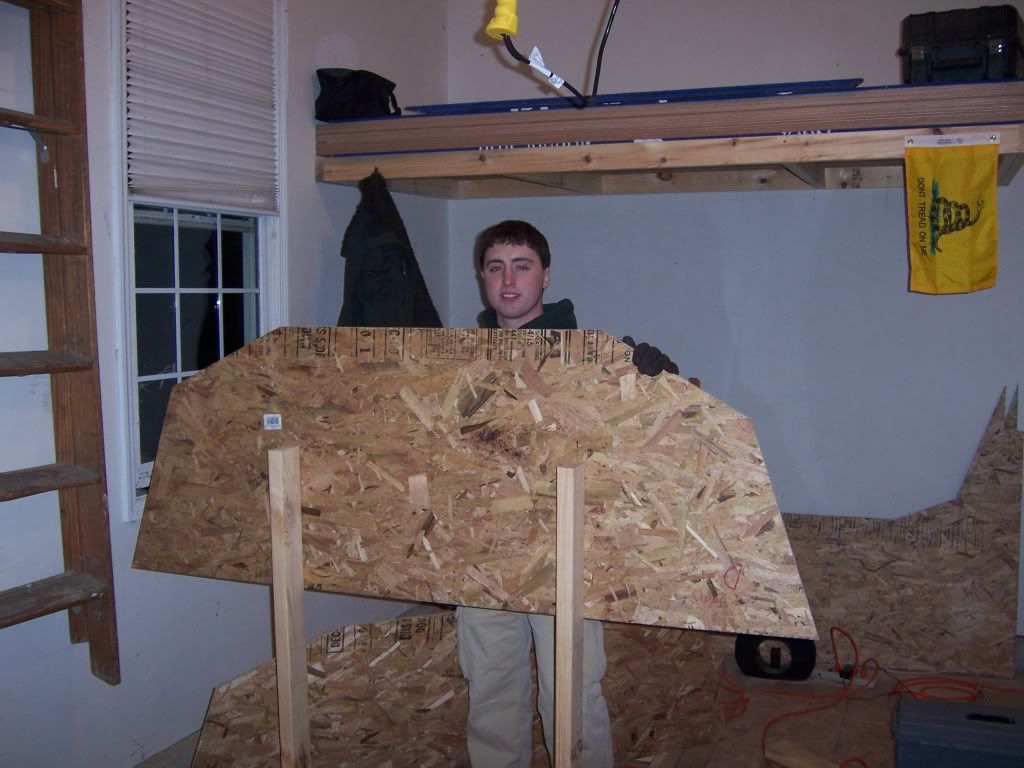
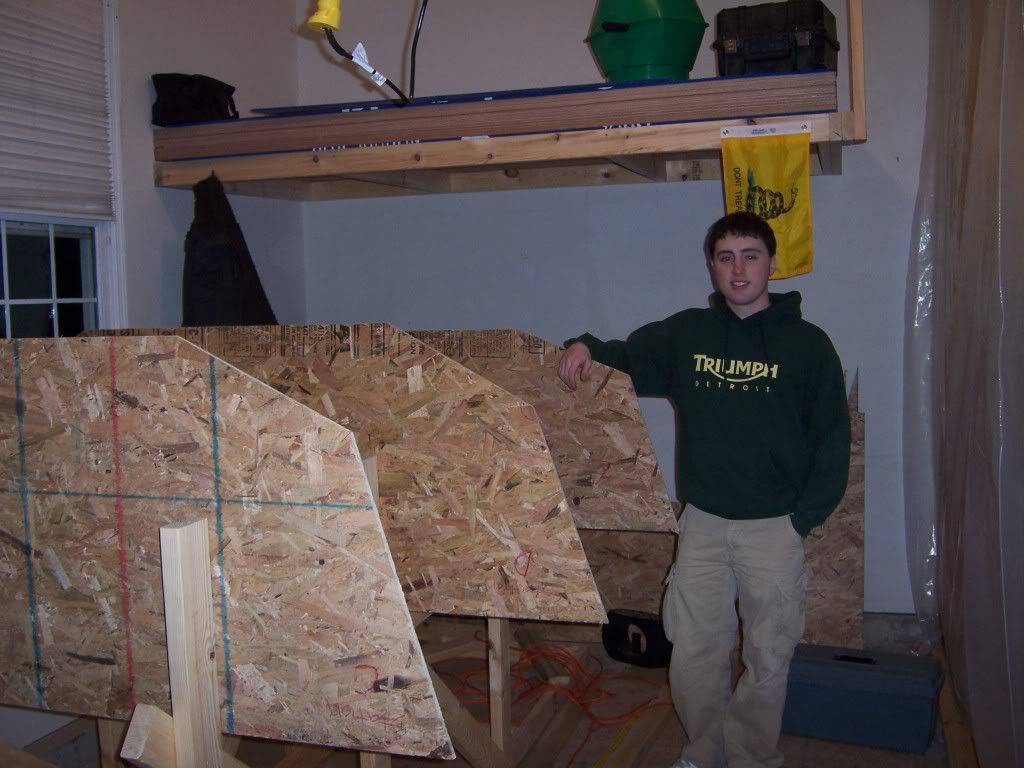
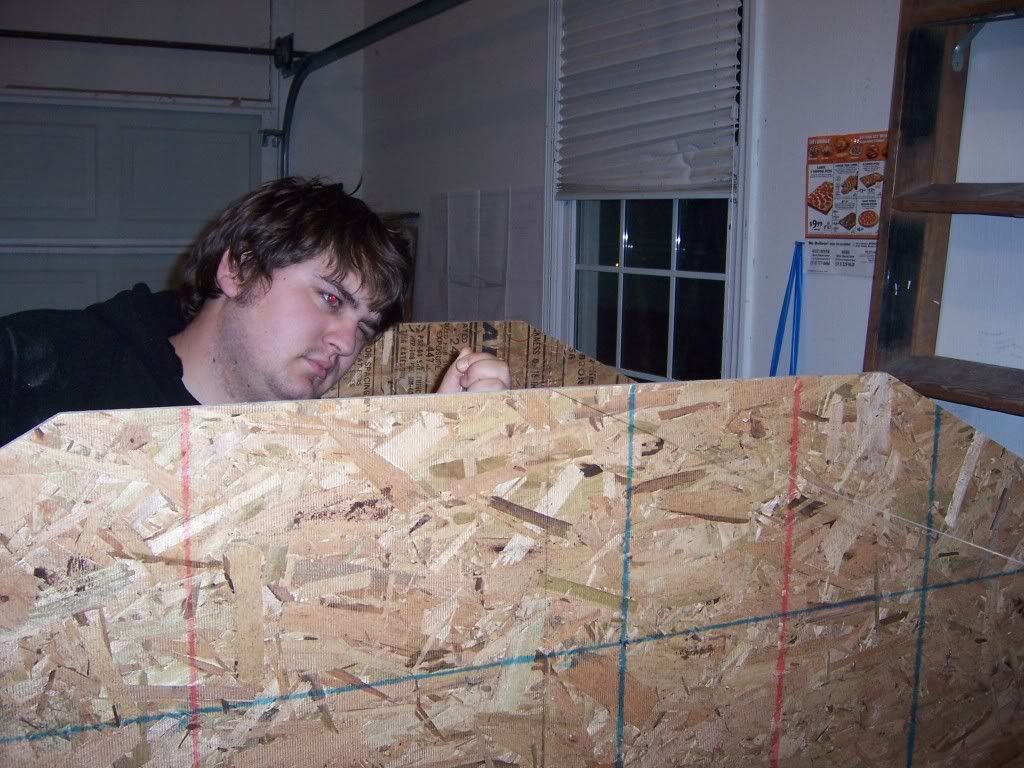
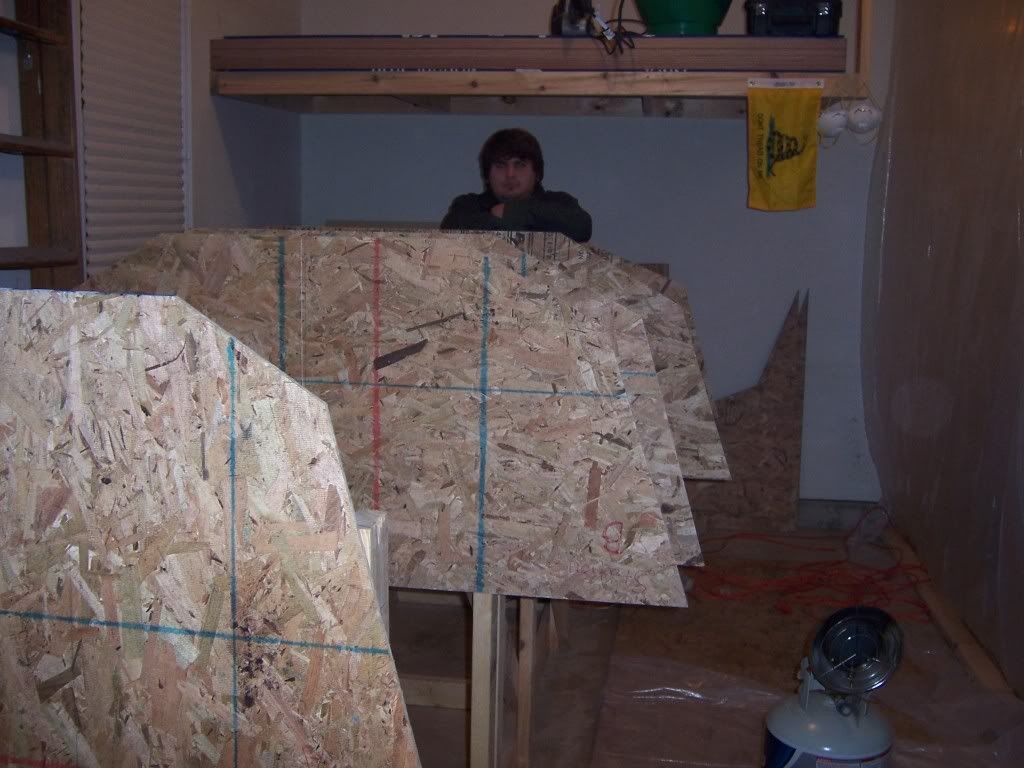
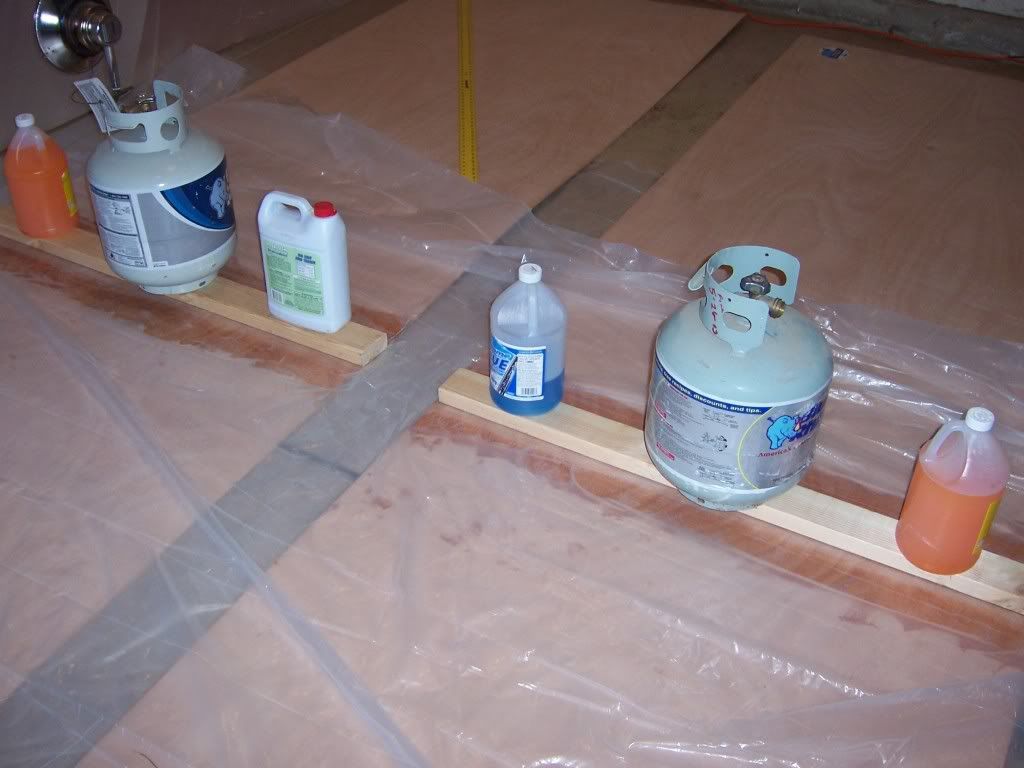
Alright - I've had some problems with the temperature but I think I've mostly figured that out. Well, I hope so because I did my first fiberglass seam with some scrap plywood. I'll be checking on how it turns out shortly.
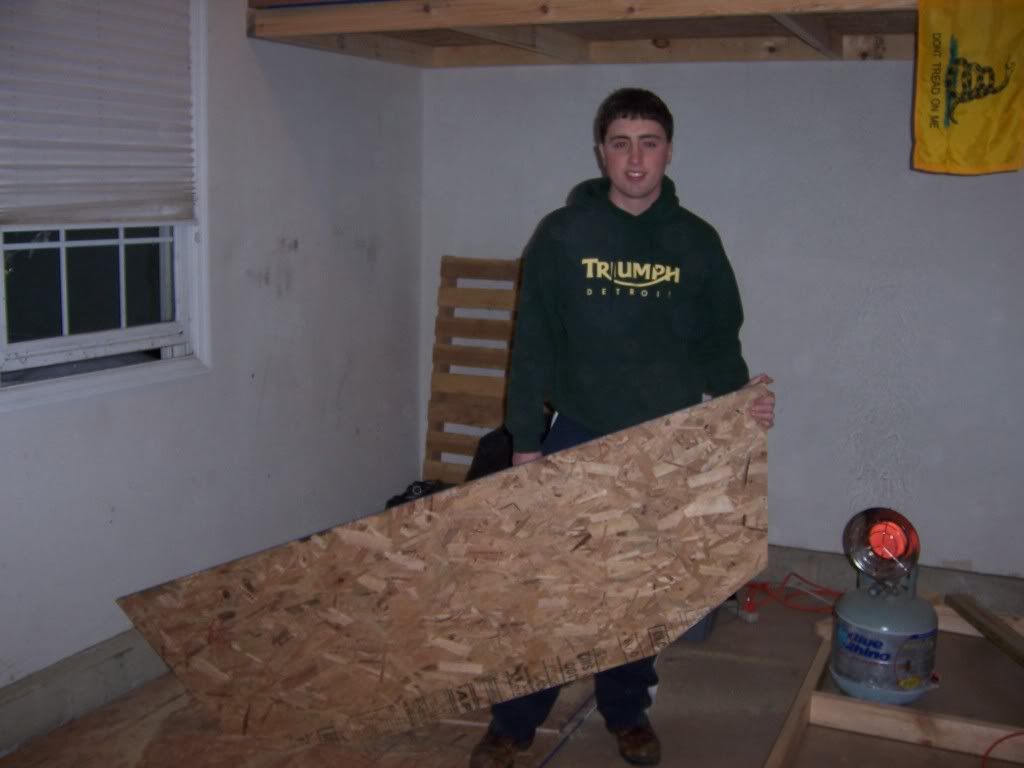
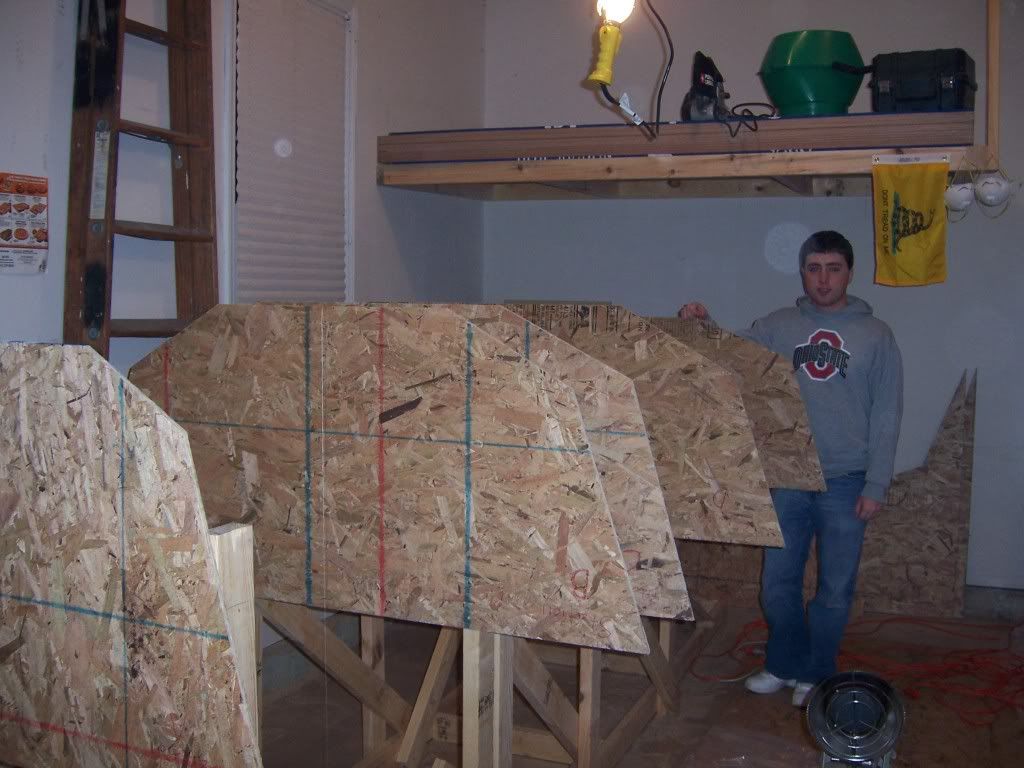
I also got a lot of work done on the jig! 

|


|
Quoted:
Another small update: We put up another frame and spent a lot of time going back to make sure everything was square. We also practiced a lot with fiberglass but I don't have pictures of that. http://i162.photobucket.com/albums/t242/jsriolo/boat/100_1106.jpg http://i162.photobucket.com/albums/t242/jsriolo/boat/100_1107.jpg How's it working for you? |
|
Quoted:
Quoted:
Another small update: We put up another frame and spent a lot of time going back to make sure everything was square. We also practiced a lot with fiberglass but I don't have pictures of that. http://i162.photobucket.com/albums/t242/jsriolo/boat/100_1106.jpg http://i162.photobucket.com/albums/t242/jsriolo/boat/100_1107.jpg How's it working for you? Pretty good! I have never used fiberglass before and had only a little instruction. After a couple of practice runs I'm able to completely wet the fiberglass and only use about 1/3rd the epoxy I used the first time. |
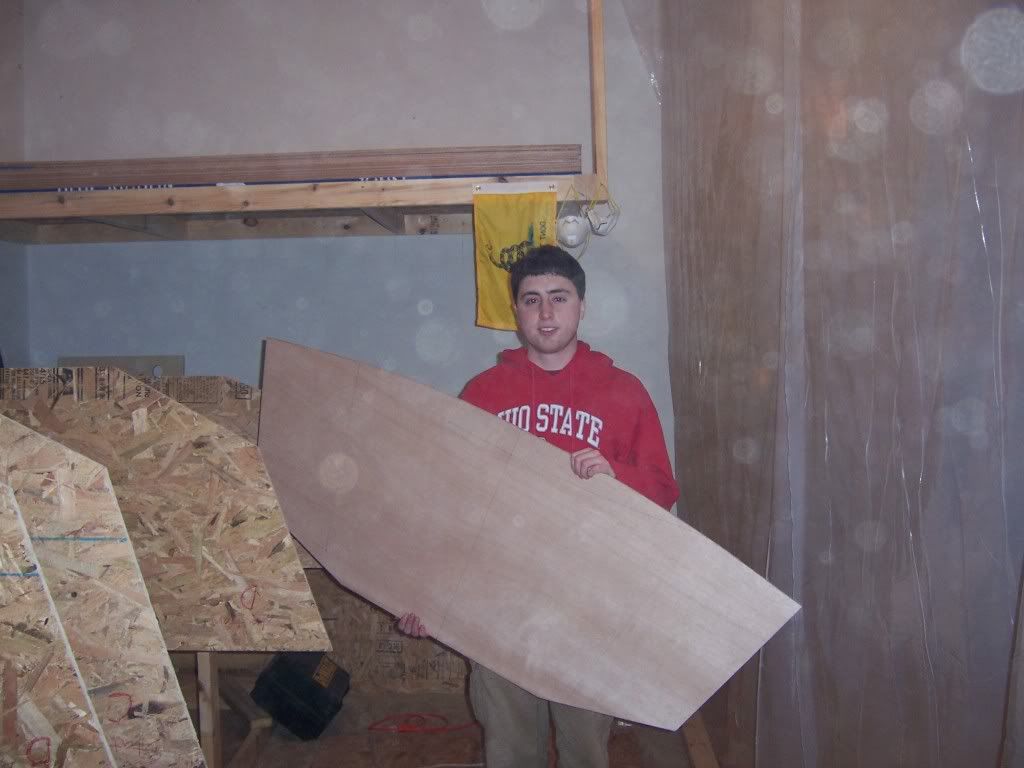
|
Sorry for the delays. Work has been crazy and I'm beat after all of the shoveling when I get home. I'm just waiting for a warm (above freezing) day so that I can get some more fiberglass work done and cut out the hull panels. After that it will start looking like a boat real quick!
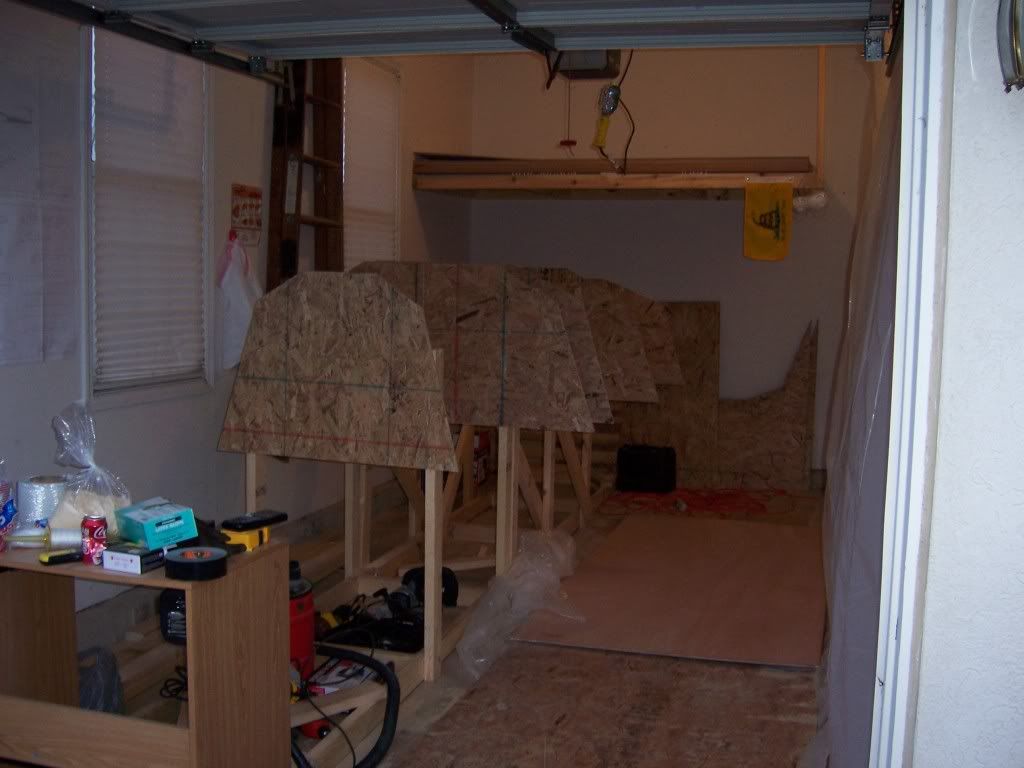
Here's a picture of the FINISHED jig. That thing is so square! What a PITA though! 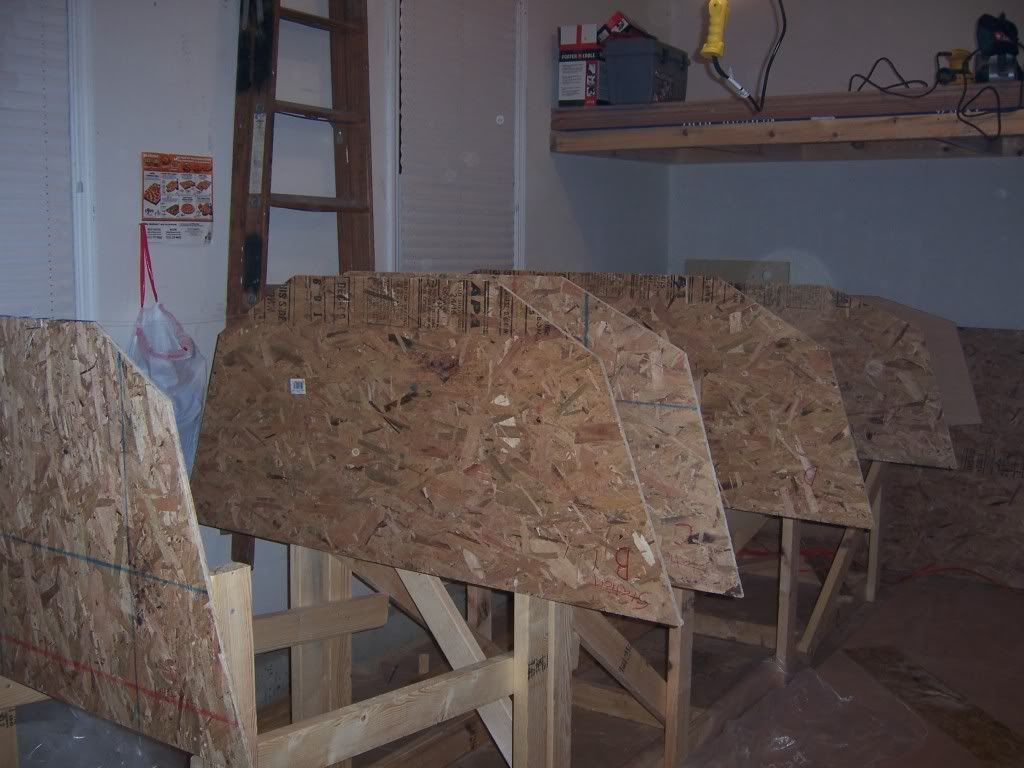
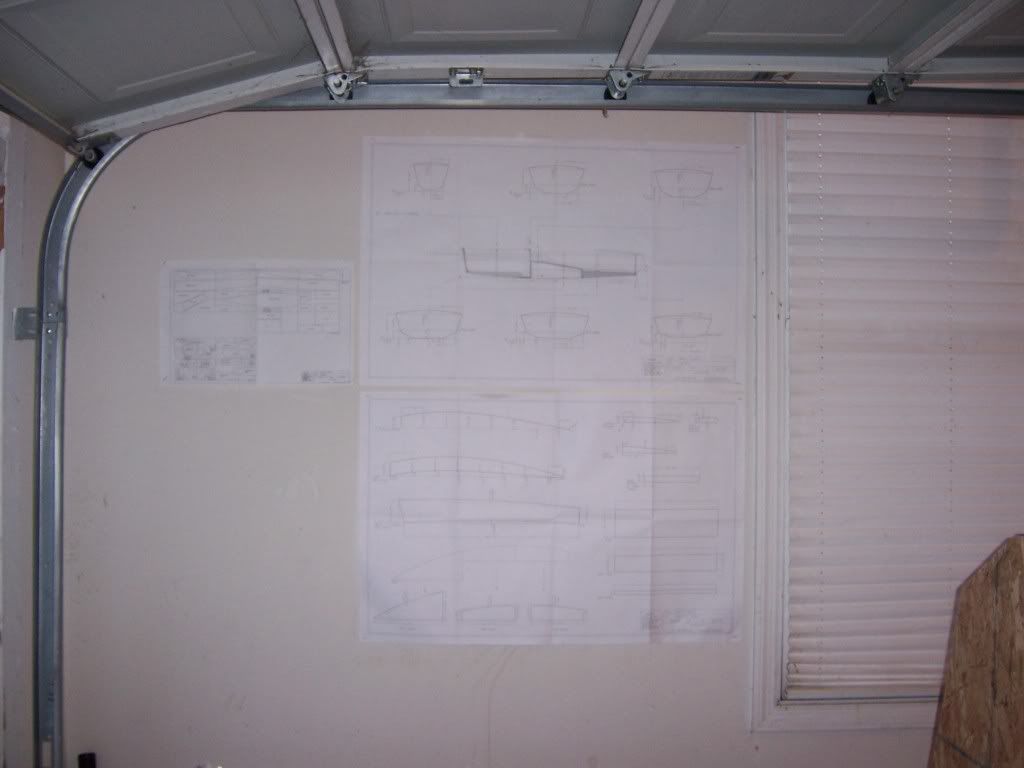
Fortunately this down time hasn't been a total waste. I've just about decided what sails to get - I need to order them soon because they have quite a lead time and I don't want to be waiting on them. Also, the plans are pretty good but the suggested rigging setup pretty simplistic and I'm trying to come up with some improvements... |
| Awesome. Cant wait to here how it goes. I remember my brothers dad built a sail boat one year when I was a kid (mid 80's) . No blue prints and models or anything, built it out of wood. It worked for the summer, but by the end it was so water logged and heavy is was unusable. Had a BIG bon fire with it. Hope yours goes better than that. |
| Really cool thread so far. I have always liked the idea of having a boat but everyone tells me its a bad idea. Remember that zombies can drift around in the water or even walk along the bottom! Also What Triumph do you have? My dad has had a Sprint Executive for 13 years now. |

|
No pictures today - It pretty much looks the same. However, I spent several hours working on it and accomplished a lot.
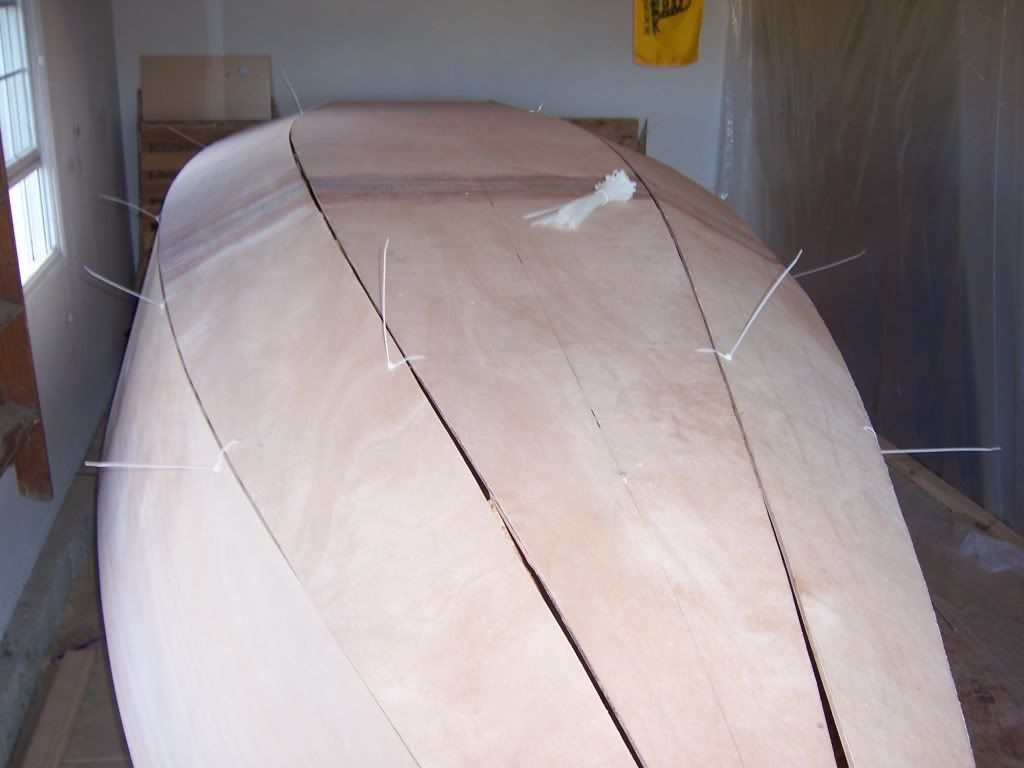
The directions suggest simply cutting out the hull panels and stitching the edges together to get the shape. Boy am I glad I built the jig instead of doing that! Now, this may have been because I did not cut the curves 100% perfectly, but if I had let the shape of the hull panels dictate how the hull went together there would have been some problems I couldn't see until I tried to put the bulkheads in and they didn't fit. It's a good thing I did it this way because I'm a perfectionist and if the bulkheads didn't slide right in I would have been pissed! Anyways, I'm making slight corrections to the curves and I'm sure everything will come together beautifully. PS - I know the wood is supposed to be very flexible and the sheets are only 1/4" thick, but making some of the bends at the bow is a total bitch! |
|
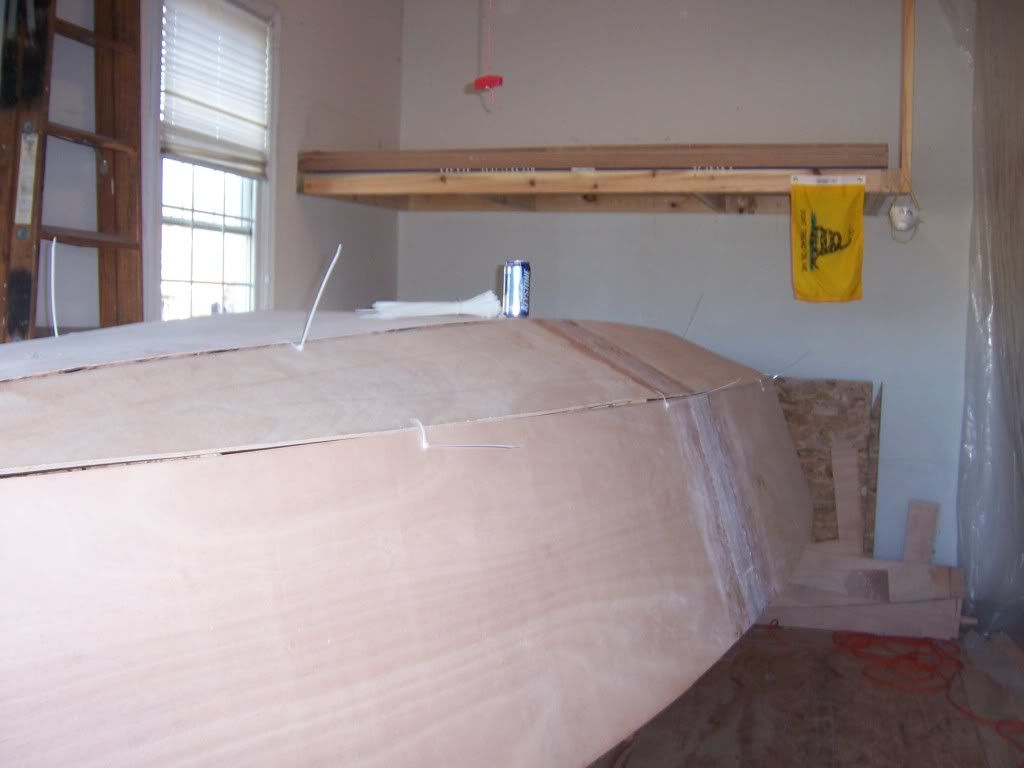
Well, I made everything fit and I have been trying to fill/sand the seams a little every day. I know this is not ideal, but I am just trying to get the shape and then I'll be making the actual fillets and fiberglass seams when it isn't trying to move on me.
I got half of the bow done and was perhaps a little too aggressive with the other side. Well, take a look yourself. 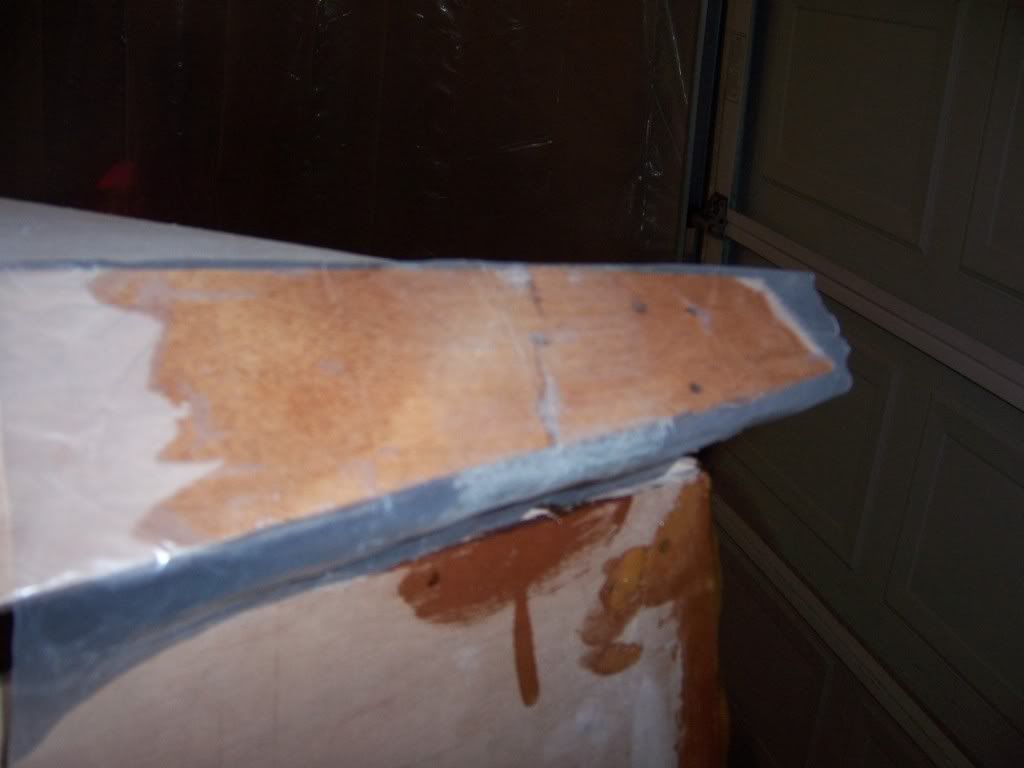
FFFFFFFFFFFFFFFFFFFFFFFFFFFFFFFFFFFFFFFFFFUUUUUUUUUUUUUUUUUUUUUUUUUUUUUUUUUUUUUUUUUU 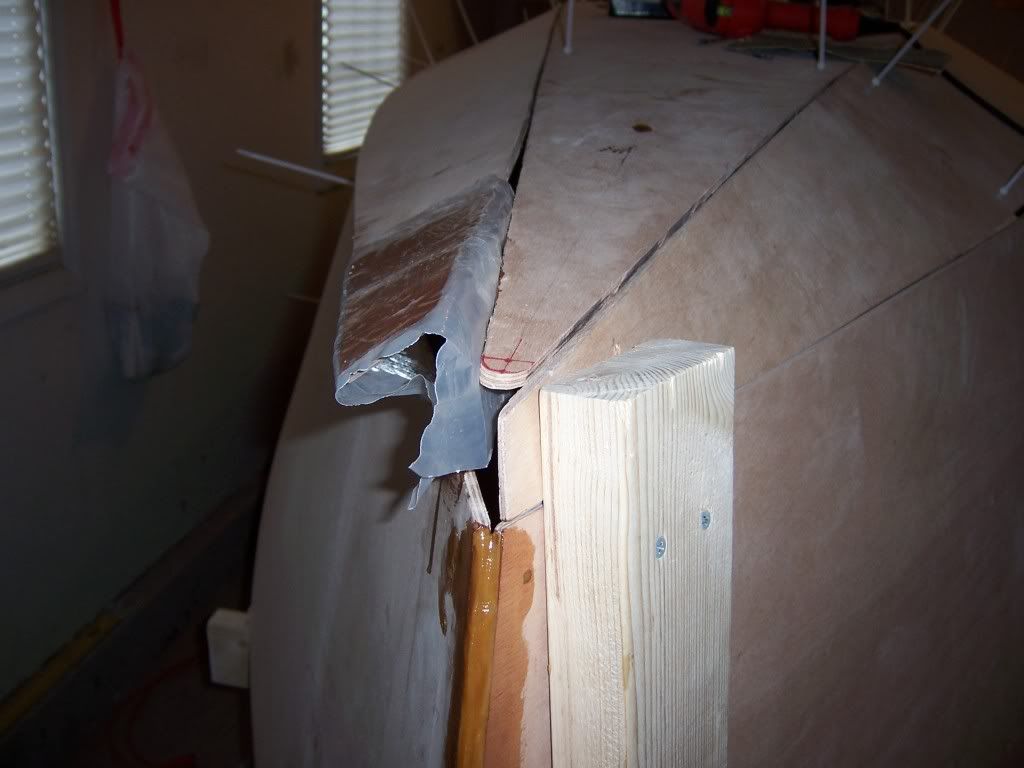
I think I'll be able to fix the crack just fine and once I fill the seams at the bow I'll begin the fiberglass and then I can flip the hull and start the inside! ETA: I think someone asked about the Triumph: 
She was not going to wear sandals on the bike - This was just a photo op. Jesus, why would I post a picture if I feel I've got to preempt the nazis? Well, I should probably relax. After all, this isn't GD. |