


|
Back about 1990 or so I was at the range and one of the cool old coots showed up and asked me if I wanted to help shoot up some old ammo.
He had some nasty looking 38 rimfire that he had stored in some old shed and the roof caved in and it was a couple of years before he dug it out. He had a real old Colt cap and ball revolver that had been factory converted to 38 rimfire . His father had won the gun in a poker game back in the 1930s and had given it to this guy when he was a kid because there wasn't any available ammo. Guy was 12 years old and rode the train from Stradford CT to Bannermans surplus store in New York city and they sold him a crate of ammo that was made in 1875. Stuff was copper (not brass) case with plain lead bullets. Both the cases and the bullets were pretty crusty so we kind of buffed them a bit with steel wool and gave them a try. To be fair about a 1/3 fired fine , some had a crazy hangfire from just noticeable to about 2 seconds, and some were duds. being rimfire you could twist the shell and hit the rim in a different place and most went off . I have used some old CCI primers that from the packaging was made in the 1960s or earlier . You could from the packages that they had got wet at some point but I tried a few just for giggles and they all worked . I ended up loading a couple of thousand practice rounds and they were all fine. Not saying one should use old beat up stuff for self defense or hunting but ammo is quite durable |
|
About 10 years ago I was shooting up some LC-66 7.62x51 ball ammo, and it worked just fine. I wouldn't have any hesitation to use it. I will grant that it was stored properly and cases didn't even look like they had aged patina on them. The looked like ball ammo made 5 years ago..
Ammo manufacturers have a vested interest in getting people to buy more ammo, so they put a short shelf life on it. How ammo is stored and handled has much more to do with shelf life than the calendar does. Ammo that is exposed to large changes in temperature, humidity, chemicals, oils, will degrade more quickly. Ammo the is handled a great deal, dropped, roughly handled, or cycled through actions may have the waterproof seals crack or break. Properly stored and handled ammo will be good for a very long time. |
|
Quoted:
Yes, there are certain loads that use non-mercuric primers that have an appropriate 10 year shelf life or less depending on how the ammo is store. Virtually all current "non corrosive" primers use LEAD STYPHNATE as the priming compound. If it has a shelf life, current ammo will remain reliable longer than you are likely to live (over 100 years). Again, the priming compound in your ammo is LEAD STYPHNATE. Lead is a problem. You are banned from using lead shot to hunt migratory waterfowl. Lead wheel weights are banned. The government can (and probably will) ban lead primers at some point. Non-lead primers have a shelf life of about 5 to 10 years. |


|
Quoted:
All modern ammunition that’s been stored in dry stable environment are good for longer than any of us on the earth today. Once its rotated thru range firing and found substandard, we get rid of it. Demil, foreign training aid ammo, whatever. Ammo will not last longer than the child born on the same day it was loaded. Not even. And it's not a complete cartridge when it hits the bone. One major tell - I was born in 1953. There was no 5.56 back then. The 45 year service life of 5.56 is a rare anomaly in combat weapons. For the most part .30-06 is all shot up, WWII .45 ACP dried up, etc. Who's got a warehouse filled with .38 Special dating back to the '50s? Not. As time goes by more and more of it is made JIT and shot up within a much shorter window. For better or worse, we aren't storing massive amounts of cartridges as long any more. Commercial production certainly isn't, or we would never have seen the shortages on .22. You have your ammo fort, the producers have a buffer stock with continuous production and in the last two freakouts they have been trimming more non profitable rounds each time, reducing variety and moving production to those which need more quantity to meet demand. When have they been able to even try to tie up capital and profit in excess ammo in the face of massive government contracts? It's not the good ol days any more. I'm not expecting the Paki's to dump surplus .308 when Iran collapses. |


This is Winchester ammunition - and this type has a shelf life of about 10 years:
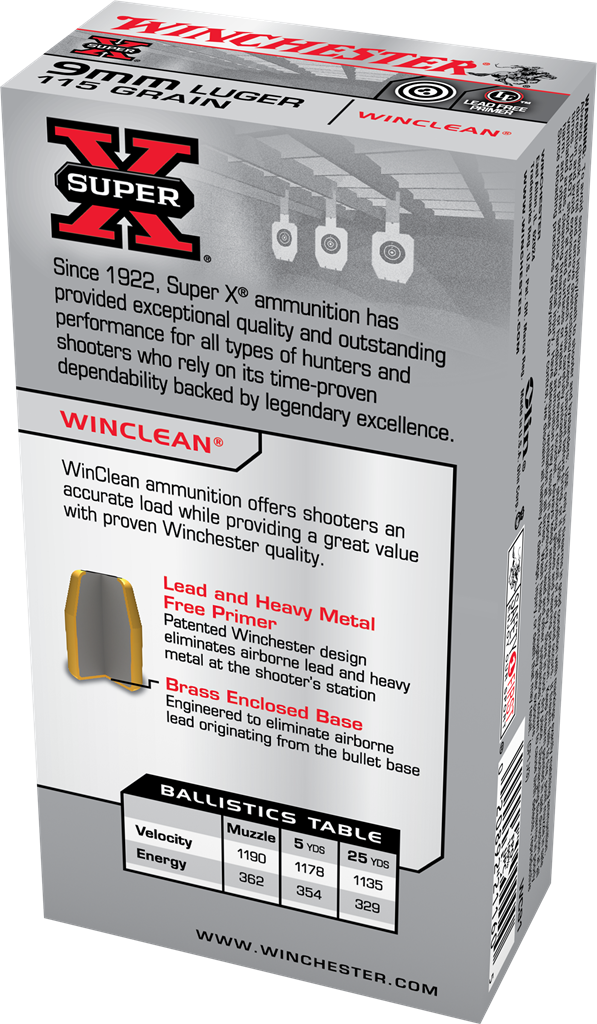
Does all Winchester ammo have a shelf life? NO! But "lead free" or "non-toxic" primed ammo last about 10 years. Can .gov pass regulations or laws banning lead? Hmm, so far they've banned lead in: - waterfowl hunting ammo (shot only) - wheel weights - gasoline - paint - pencils, So. Yes - they can ban lead from primers. |
|
Winchester Superclean NT has a shelf life of about 10 years:
http://winchesterle.com/PRODUCTS/HANDGUN-AMMUNITION/super-clean-nt-tin/super-clean-nt/Pages/default.aspx |

| I had a brick of Remington Kleanbore 22 LR That my Father bought in 1979. We fired it all up this summer. All 500 rounds fired except for 3 rounds that were damaged when my Hi-Standard semi auto jammed and damaged them so they wouldn't feed. 39 year old rimfire stuff. |

|
CCI Lawman "clean fire" ammunition has a shelf life, due to the "lead free" primer:
https://www.speer-ammo.com/en/personal-protection-lawman |
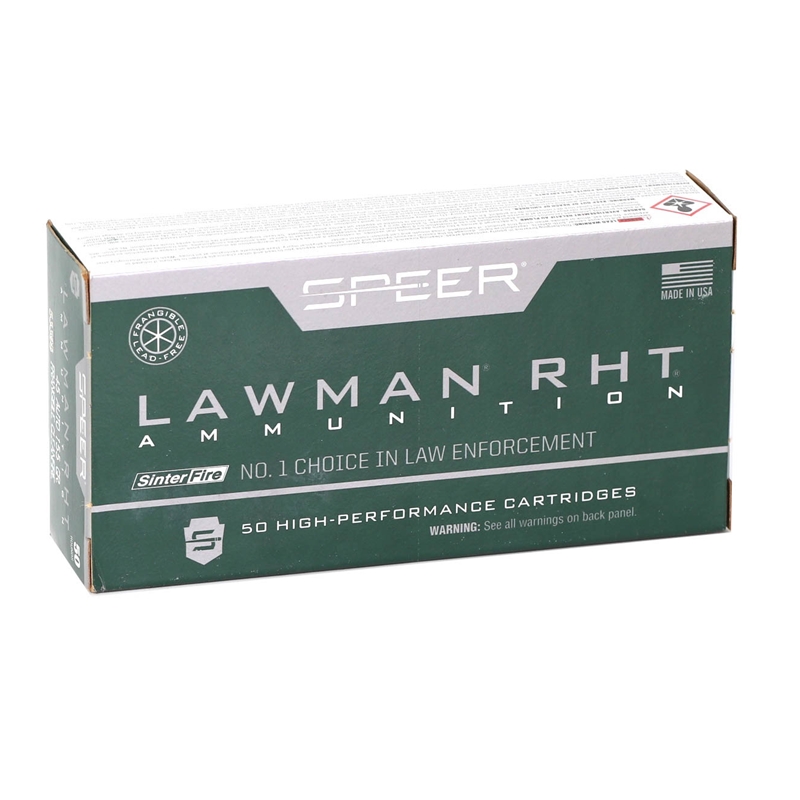
|
Shelf-life primers use a non-toxic or "green" lead free priming compound like this:
https://en.m.wikipedia.org/wiki/Diazodinitrophenol Ammunition made with non-toxic primers has a shelf life of about 10 years. |
|
Lead free primers have a shelf life:
https://arxiv.org/abs/1410.6390 |


|
Quoted:
After a bit of research it appears that Lead-free primers have a 10 year shelf life.  
In all seriousness, I see a very real threat of democrats banning lead. Democrats have been desperately looking for new ways to infringe on the rights of lawful gun owners. They've repeatedly proposed attacks on ammunition where they have failed to gain traction on banning guns. Didn't California just impose restrictions on ammunition purchases? Also, Washington D.C. has a law against possession of "unregistered ammunition or components." It's not like ammo bans are unknown to democrats. Ammo bans / limitations - disguised as "environmental" regulations - could be their next attack. |