


[ARCHIVED THREAD] - 2 cycle oil mix (Page 4 of 6)
|
Quoted:
My head is now full of fuck. Here's what I've always done: I buy the oil the mfr recommends, and I mix it at the ratio they tell me to. It works. You all have fun with this academic "yeah, but what if..." discussion, because if I keep reading it, I'm going to end up throwing my 2 stroke equipment away.  
|
|
Quoted:
My head is now full of fuck. Here's what I've always done: I buy the oil the mfr recommends, and I mix it at the ratio they tell me to. It works. You all have fun with this academic "yeah, but what if..." discussion, because if I keep reading it, I'm going to end up throwing my 2 stroke equipment away. Yup. All one brand, so if it shits out they can all argue about it in the back room AFTER they've given me the warranty replacement. 
|
|
Quoted:

All these years I thought the machine that said 50:1 meant that, and the one that says 40:1 meant that. I had no clue to do what the oil guy said. And what about the oil that has multiple ratio listings???? Im ready to throw all my shit out too! It's simple: Buy Stihl equipment Buy Stihl (preferably synthetic as it extends the warranty these days) oil Buy premium gas without ethanol Mix per directions Shake can and tool prior to filling/starting Enjoy many years of trouble-free use
|
|
Quoted:
Quoted:
Quoted:
Quoted:
Holy cow, I don't know where to start. This thread is full of stupid! 
Two stroke-cycle engines ARE NOT all the same, neither are Two stroke oils. Some manufacturers like Ryobi, Homelike, Stihl and others use STAMPED STEEL parts for major engine components like connecting rods. (Think Hesse) Others like Red-Max, Echo & Shindaiwa used Forged con-rods, that in a lot of cases are copper coated. (Think LaRue or Spikes) Likewise, besides Air Cooled and Water Cooled, not all Air Cooled oils are the same, regardless of mix ratio. I could mix some piss in a bottle with canola oil and sell it as PAR's Super Duper Two Stroke Oil, and to mix at 100:1, and offer it on the EE if I wanted. The "oil" in the oil does not do much anymore than act as a carrier for the additive package mixed in, such as detergents, anti-seize, anti-scuff... Without using a standard you cannot accurately compare oils. Since 1996 JASO oil standards are available for a Two stroke Oil mfg that makes oil for air cooled engines to meet. When the Oil is independently tested and the test data is submitted and reviewed by JASO, the oil will be given a registration number for the rating it passed. There are three current levels... FB, FC, FD. FD rating is the highest rating, intended for High RPM High Performance Air Cooled Two Stroke-Cycle engines. That oil MFG will be given a registration number that needs to be put on the bottle as PROOF that the oil was tested and passed that standard. Just because a bottle says "meets JASO Fx" (and doesn't have a registration number) doesn't mean it was tested and passed. There is no proof and you are taking the oil MFG word for it. Right now the best JASO FD rated oil your hard earned money can buy is the Shindaiwa Red Armor. The testing that I have done on this stuff, it is UN-freaking believable with it's detergent package to deal with the crappy fuels we see. It is a 50:1 oil (that is a requirement of the JASO standard) that should be run @ 50:1 in any air cooled two stroke-cycle engine. Remember, it is the additive package that is doing the work, it isn't straight 30 weight oil that you had to mix 16:1. Going down the line in JASO FD rated oils would be ECHO, Husky, Shindaiwa One, Red-Max Alco No-Smoke 2 Stroke, off the top of my head. All these are JASO FD registered. SO, if there are standards to measure the oil you make by, and you refuse to have it done, what are the reasons? I have heard them all, from "We know our oil is the best, we don't need an outside standard to tell us that" to "our oil is much better then the standard, we don't want to be lumped in with inferior oils"...  Common sense tells us otherwise. Common sense tells us otherwise.
Read the owners manual for the product you have. Use the oil they recommend if it is still available. If you have multiple brands of products that state to use different oils, use the one with the highest JASO registration in them all. Using an oil that does NOT meet the requirements set by the MFG of that Engine WILL VOID the engine warranty for a lubrication failure. Do NOT go by what an oil manufacturer says about their oil. Don't use PAR's Super Duper oil...
Your post is misleading. Stihl does not use stamped steel connecting rods in all their saws. Equating Stihl with Hesse, Ryobi, or Homelite is just adding to the stupid in this thread. If folks want to ensure that their 2-stroke engines last a long time, the easiest way is to buy the oil from the equipment manufacturer, and mix it to the ratio stated by that manufacturer. Use good, fresh, 89+ octane non-ethanol gas, if you can find it, and your 2-stroke will run for years. Yep, I have a dozen or so Stil saws torn down now, and none have a stamped rod.I've also never seen a copper coated engine cae. RIF....it says "That in a lot of cases are copper coated", the con-rod that is... I don't have 210C handy for a pic so here is a Stihl trimmer engine... http://i373.photobucket.com/albums/oo174/parover/2011-09-19_11-17-34_449.jpg By your logic on oil it is ok to use this because the bottle has on it that it is good for chainsaws... http://i373.photobucket.com/albums/oo174/parover/pbfront.jpg http://i373.photobucket.com/albums/oo174/parover/bpback-1.jpg It does not meet JASO FD by the way... You are missing my point. Would you mix Stihl Ultra oil at 32:1 per engine manufacturers spec? |
|
huh...
I've been using the same oil/gas mix in my weedeater and pushmower for a number of years and never had a problem. Weedeater is a cheap wally world "Weedeater brand". Pushmower is an older John Deere Tricycler 2-stroke. Silver deck. Built like they used to build them. |
|
Quoted:
Quoted:
Quoted:
Quoted:
Lets look at this another way. Imagine we are using other oils to mix fuel. Would you use the same ratio using 90W as if you were using 5W20? Not all 2-cycle mix oils are created equal. Not all 2-cycle oils share the same lubricity. This is why the mix ratio is determined my the type/brand/formulation of the oil. Hopefully this will make it easy for all to understand. You may have a point if we lived back in the 1960s still when you mixed one quart of 30 weight oil to 6 gallons of fuel to get 25:1. Here are 5 different gallons of todays most popular outboard oil. http://img.photobucket.com/albums/v625/akethan/oil001.jpg Any of these oil can be used to make a variety of ratios they mix exactly the same. http://img.photobucket.com/albums/v625/akethan/oil002.jpg http://img.photobucket.com/albums/v625/akethan/oil003.jpg http://img.photobucket.com/albums/v625/akethan/oil004.jpg Please quit spreading your igronace on this thread, people are confused enough about this subject. 
Wow, I didn't know we were talking about outboard engines.
I'll chalk your post up to lack of reading comprehension. Outboard, weed wacker, motorcycle. They are all 2-strokes and use similar oil. Outboard oil is actually one of the best oils to use because they are designed to run hard and have a great detergent package. Theses all also nice to have laying around. http://img.photobucket.com/albums/v625/akethan/P1010568.jpg Just wondering any of your oils shown above list racing applications? I have seen way to often kids having seized up engines at go cart or dirt bike races. I always try to help the kids out and when asking questions the father says something like I thought all two stroke oils were the same. I know you can use a two stroke go cart/dirt bike racing oil in a two stroke outboard engine but not always the other way around. Asking because you stated "Outboard oil is actually one of the best oils to use because they are designed to run hard and have a great detergent package." Was that comment only for outboard engines? |
|
Quoted:
Quoted:
All these years I thought the machine that said 50:1 meant that, and the one that says 40:1 meant that. I had no clue to do what the oil guy said. And what about the oil that has multiple ratio listings???? Im ready to throw all my shit out too! It's simple: Buy Stihl equipment Buy Stihl (preferably synthetic as it extends the warranty these days) oil Buy premium gas without ethanol Mix per directions Shake can and tool prior to filling/starting Enjoy many years of trouble-free use As an agnostic, I do not go to church and I do not buy Stihl products. 
|
|
Quoted: I don't understand, if your new toy says 50/1 why not mix it to 50/1? If you run 32/1 your just going to run it rich as hell and will foul plugs and smoke like shit. I'd run it rich for the first tank or two and then lean it out to what is suggested. but that's me me. I read the manual for a new 50:1 mix tool. maybe a chainsaw. If i remember right, they said to break it in with a few tanks of a 32/1 mix or some higher mix of oil. |
| wow i sure didnt know i would stir up a nest with my 2-cycle oil mix question..... i was just wondering if i would shorten the life span in m y new red-max blower that calls for a 50:1 mix , if i fed it my lawn- boy 32:1 mix..... Since we r on the subject , i have a treadmill thats takes a 100:1 mix using vegtable oil.... can i use my 32:1 lawn boy mix? .... will it go as fast. And theres the question of the planes...... ever wonder if the plane u r in, is using the correct mix?? .... ... i am confused! .. long live the 2-cycle engines. ...damn i love the smoke ... screw the tree huggers!! |
|
Quoted:
Quoted:
Quoted:
Quoted:
Quoted:
Lets look at this another way. Imagine we are using other oils to mix fuel. Would you use the same ratio using 90W as if you were using 5W20? Not all 2-cycle mix oils are created equal. Not all 2-cycle oils share the same lubricity. This is why the mix ratio is determined my the type/brand/formulation of the oil. Hopefully this will make it easy for all to understand. You may have a point if we lived back in the 1960s still when you mixed one quart of 30 weight oil to 6 gallons of fuel to get 25:1. Here are 5 different gallons of todays most popular outboard oil. http://img.photobucket.com/albums/v625/akethan/oil001.jpg Any of these oil can be used to make a variety of ratios they mix exactly the same. http://img.photobucket.com/albums/v625/akethan/oil002.jpg http://img.photobucket.com/albums/v625/akethan/oil003.jpg http://img.photobucket.com/albums/v625/akethan/oil004.jpg Please quit spreading your igronace on this thread, people are confused enough about this subject.
Wow, I didn't know we were talking about outboard engines.
I'll chalk your post up to lack of reading comprehension. Outboard, weed wacker, motorcycle. They are all 2-strokes and use similar oil. Outboard oil is actually one of the best oils to use because they are designed to run hard and have a great detergent package. Theses all also nice to have laying around. http://img.photobucket.com/albums/v625/akethan/P1010568.jpg Just wondering any of your oils shown above list racing applications? I have seen way to often kids having seized up engines at go cart or dirt bike races. I always try to help the kids out and when asking questions the father says something like I thought all two stroke oils were the same. I know you can use a two stroke go cart/dirt bike racing oil in a two stroke outboard engine but not always the other way around. Asking because you stated "Outboard oil is actually one of the best oils to use because they are designed to run hard and have a great detergent package." Was that comment only for outboard engines? Do not run outboard oil in an air cooled 2-cycle. Outboard oil is designed to run in a cooler running engine. |
|
Quoted:
Quoted:
Quoted:
Quoted:
Quoted:
Quoted:
Lets look at this another way. Imagine we are using other oils to mix fuel. Would you use the same ratio using 90W as if you were using 5W20? Not all 2-cycle mix oils are created equal. Not all 2-cycle oils share the same lubricity. This is why the mix ratio is determined my the type/brand/formulation of the oil. Hopefully this will make it easy for all to understand. You may have a point if we lived back in the 1960s still when you mixed one quart of 30 weight oil to 6 gallons of fuel to get 25:1. Here are 5 different gallons of todays most popular outboard oil. http://img.photobucket.com/albums/v625/akethan/oil001.jpg Any of these oil can be used to make a variety of ratios they mix exactly the same. http://img.photobucket.com/albums/v625/akethan/oil002.jpg http://img.photobucket.com/albums/v625/akethan/oil003.jpg http://img.photobucket.com/albums/v625/akethan/oil004.jpg Please quit spreading your igronace on this thread, people are confused enough about this subject.
Wow, I didn't know we were talking about outboard engines.
I'll chalk your post up to lack of reading comprehension. Outboard, weed wacker, motorcycle. They are all 2-strokes and use similar oil. Outboard oil is actually one of the best oils to use because they are designed to run hard and have a great detergent package. Theses all also nice to have laying around. http://img.photobucket.com/albums/v625/akethan/P1010568.jpg Just wondering any of your oils shown above list racing applications? I have seen way to often kids having seized up engines at go cart or dirt bike races. I always try to help the kids out and when asking questions the father says something like I thought all two stroke oils were the same. I know you can use a two stroke go cart/dirt bike racing oil in a two stroke outboard engine but not always the other way around. Asking because you stated "Outboard oil is actually one of the best oils to use because they are designed to run hard and have a great detergent package." Was that comment only for outboard engines? Do not run outboard oil in an air cooled 2-cycle. Outboard oil is designed to run in a cooler running engine. I know that! Having been mixing since the '71
|
|
I generally run everything rich and never have had a problem (except for ethanol hardening). As long as the oil is quality and designed for air cooled engines and you mix to a reasonably facsimile (error to rich) of the ratio it wants, you should be good. This has been abusing the hell out of this for 17 hard years. I have replaced the carb (a plastic model), fuel lines and ignition module in that time, but it has had no lubrication failures. It is still on the original spark plug. 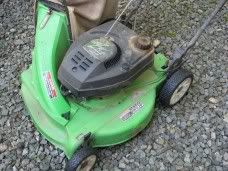 |
|
Quoted:
Quoted:
That is 32 parts gas 1 part oil all jetting being the same if you run that in a 50-1 you are not getting enough gas.This causes a LEAN AIR FUEL mixture and you could and probably will sieze it!!! You have it backwards...50:1 will run more RICH than 32:1. More oil in 32:1 (less gas) than 50:1 (more gas ,less oil). I run all my two stroke dirt bikes at 32:1. They might smoke a little, but the internals last for a long time. When Honda was racing their CR250s...I read that they were actually running them at around 37:1. They must of known something that I do not. BTW...with current electronics...I have NEVER fouled a plug. Protect your shit...:-) You're wrong. He is right. |
|
Quoted:
The mix ratio is oil specific, not unit specific. Mix it according to what's on the oil bottle. do not follow the above advice. it is inaccurate. tools are marked with the ratio –– not the oil containers. the economy size (large quantity) oil containers tell you how much oil to mix with a given quantity of fuel to get the ratio needed. to the op. running 32 to 1 in a unit designed for 50 to 1 will result in hard starting, low power, shorter plug life, and a much less efficient operation. get a 1 gallon can and mark it it 50-1 and run tool the way it was designed to be run. |
|
Quoted: wow i sure didnt know i would stir up a nest with my 2-cycle oil mix question..... i was just wondering if i would shorten the life span in m y new red-max blower that calls for a 50:1 mix , if i fed it my lawn- boy 32:1 mix..... Since we r on the subject , i have a treadmill thats takes a 100:1 mix using vegtable oil.... can i use my 32:1 lawn boy mix? .... will it go as fast. And theres the question of the planes...... ever wonder if the plane u r in, is using the correct mix?? .... ... i am confused! .. long live the 2-cycle engines. ...damn i love the smoke ... screw the tree huggers!! Red Max requires the use of a JASO FD oil, such as their own:  Notice the FD logo and their registration number. http://www.redmax.com/node3937.aspx?nid=159210 I would recommend using the Red Max oil @ 50:1 in your blower. It can be safely used in other air cooled engines such as a lawn boy mower mixed at that 50:1, since it meets (blows away) all the standards (JASO FA / API TC) as the lawn boy 32:1 mix did. Using ANY FD registered oil @ 50:1 would be ok. for a high rpm air cooled two stroke engine if it ain't JASO FD registered DON'T USE IT! You asked a perfectly good question, thanks for asking. It wasn't you who stirred up the nest! |
|
Quoted:
Quoted:
Quoted:
Quoted:
Quoted:
Lets look at this another way. Imagine we are using other oils to mix fuel. Would you use the same ratio using 90W as if you were using 5W20? Not all 2-cycle mix oils are created equal. Not all 2-cycle oils share the same lubricity. This is why the mix ratio is determined my the type/brand/formulation of the oil. Hopefully this will make it easy for all to understand. You may have a point if we lived back in the 1960s still when you mixed one quart of 30 weight oil to 6 gallons of fuel to get 25:1. Here are 5 different gallons of todays most popular outboard oil. http://img.photobucket.com/albums/v625/akethan/oil001.jpg Any of these oil can be used to make a variety of ratios they mix exactly the same. http://img.photobucket.com/albums/v625/akethan/oil002.jpg http://img.photobucket.com/albums/v625/akethan/oil003.jpg http://img.photobucket.com/albums/v625/akethan/oil004.jpg Please quit spreading your igronace on this thread, people are confused enough about this subject.
Wow, I didn't know we were talking about outboard engines.
I'll chalk your post up to lack of reading comprehension. Outboard, weed wacker, motorcycle. They are all 2-strokes and use similar oil. Outboard oil is actually one of the best oils to use because they are designed to run hard and have a great detergent package. Theses all also nice to have laying around. http://img.photobucket.com/albums/v625/akethan/P1010568.jpg Just wondering any of your oils shown above list racing applications? I have seen way to often kids having seized up engines at go cart or dirt bike races. I always try to help the kids out and when asking questions the father says something like I thought all two stroke oils were the same. I know you can use a two stroke go cart/dirt bike racing oil in a two stroke outboard engine but not always the other way around. Asking because you stated "Outboard oil is actually one of the best oils to use because they are designed to run hard and have a great detergent package." Was that comment only for outboard engines? I always run and recommend OEM oil. |
|
Quoted:
Quoted:
Quoted:
That is 32 parts gas 1 part oil all jetting being the same if you run that in a 50-1 you are not getting enough gas.This causes a LEAN AIR FUEL mixture and you could and probably will sieze it!!! You have it backwards...50:1 will run more RICH than 32:1. More oil in 32:1 (less gas) than 50:1 (more gas ,less oil). I run all my two stroke dirt bikes at 32:1. They might smoke a little, but the internals last for a long time. When Honda was racing their CR250s...I read that they were actually running them at around 37:1. They must of known something that I do not. BTW...with current electronics...I have NEVER fouled a plug. Protect your shit...:-) . You're wrong. He is right. I have been to a camp that seen it that way also. |
|
Quoted:
Quoted:
Quoted:
Quoted:
Guys, I always just mix at what the oil bottle says. The stuff I have says 32:1, so that is what I mix at. ETA: I never knew it mattered what the mfg said. ETA again: Oops, I see James does the oil bottle recommendation.......WHEW!! ALL 2-cycle engines are created equal. Same clearances, same needle bearings, same skirt clearances, etc. Hell, most even share carburetors. These factors determine mix ratios. Now, since they are all the same, it boils down to the oil. Keep in mind, we are not talking liquid cooled motorsports application 2-cycles. I'm not sure where you are getting your information from James, but this is just flat out wrong. There are a nearly infinate number of differences from one two stroke engine to another. Things off the top of my head like piston coatings (hard/soft anodized, moly silk screen, etc) and surface roughness, cylinder plating and roughness, thrust pressure, piston material and manufacturing method (cast, forged), bearing crown, bearing material, connrod coatings and material, bearing cage material and coatings, compression ratio, rings (cast iron or steel rings and/or moly coatings) droplet size and coalescence. Not to mention more fundamental differences such as operational RPM, BMEP, BSFC, tuned exhaust or straight, piston port or reed valve, carb, efi, di, combustion temperature, piston profile and piston/bore clearance. 2-strokes are very complex, yet very simple at the same time. Simple in the fundamental way they operate, but very complex in understanding the nearly infinate number of variables that can drastically alter their performance. All these variables have a huge effect on the ideal oil blend for the engine. 2 stroke oils consist of a base stock, and then a large percentage of additives and detergents on top of that. As I said earlier, OEM's go through great pains to custom tailor their oil to their engines. They do this not only to make money on oil, but to increase performance and, most importantly, reduce warranty costs. Do not take this with a grain of salt and assume that "all 2-stroke engines are created equal." I would recommend benefiting from all this work that has already been done for you, and buying the precise oil that the engine manufacturer recommends. It's cheap insurance if nothing else. That may have been the issue back in the day, but not now. I do probably 200-300 engine overhauls each year on commercial saws, trimmers, blowers, etc. I have also kept up to date on factory training from Stihl, Husqvarna, Redmax, Kohler, Kubota, plus a few others in the past 16 years. I can assure you that ALL of the major manufaturers use similar metals, clearances, tuning, carburetion, etc. then why does a stihl motor out perform all others? all are obviously not created =. perhaps you do 2 to 300 overhauls because your customers follow your advice. i have been using the same lawn-boy two stroke mower since 1969. i follow the recommendations to the letter. over the last 42 years all i have changed on it are the air filter, spark plug, pull cord and blade. i have never needed to rebuild my motor. |
|
Quoted:
Nope. I actually spent a week in Virginia Beach at the Stihl factory school getting educated on this very subject. please reference the stihl shop manual that proves your point.[/quote] http://www.stihlusa.com/lubricants/twocycleoil.html Read through this. No where does it say mix in any other than 50:1 ratio. Also, Stihl oil is FD certified. |
|
Quoted:
Quoted:
The mix ratio is oil specific, not unit specific. Mix it according to what's on the oil bottle. do not follow the above advice. it is inaccurate. tools are marked with the ratio –– not the oil containers. the economy size (large quantity) oil containers tell you how much oil to mix with a given quantity of fuel to get the ratio needed. to the op. running 32 to 1 in a unit designed for 50 to 1 will result in hard starting, low power, shorter plug life, and a much less efficient operation. get a 1 gallon can and mark it it 50-1 and run tool the way it was designed to be run. Should someone take the 50:1 Stihl oil (2.6oz 1 gal mix), and mix it 32:1 according to the manufacturers specs? |
|
Quoted:
Quoted:
Quoted:
Quoted:
Quoted:
Guys, I always just mix at what the oil bottle says. The stuff I have says 32:1, so that is what I mix at. ETA: I never knew it mattered what the mfg said. ETA again: Oops, I see James does the oil bottle recommendation.......WHEW!! ALL 2-cycle engines are created equal. Same clearances, same needle bearings, same skirt clearances, etc. Hell, most even share carburetors. These factors determine mix ratios. Now, since they are all the same, it boils down to the oil. Keep in mind, we are not talking liquid cooled motorsports application 2-cycles. I'm not sure where you are getting your information from James, but this is just flat out wrong. There are a nearly infinate number of differences from one two stroke engine to another. Things off the top of my head like piston coatings (hard/soft anodized, moly silk screen, etc) and surface roughness, cylinder plating and roughness, thrust pressure, piston material and manufacturing method (cast, forged), bearing crown, bearing material, connrod coatings and material, bearing cage material and coatings, compression ratio, rings (cast iron or steel rings and/or moly coatings) droplet size and coalescence. Not to mention more fundamental differences such as operational RPM, BMEP, BSFC, tuned exhaust or straight, piston port or reed valve, carb, efi, di, combustion temperature, piston profile and piston/bore clearance. 2-strokes are very complex, yet very simple at the same time. Simple in the fundamental way they operate, but very complex in understanding the nearly infinate number of variables that can drastically alter their performance. All these variables have a huge effect on the ideal oil blend for the engine. 2 stroke oils consist of a base stock, and then a large percentage of additives and detergents on top of that. As I said earlier, OEM's go through great pains to custom tailor their oil to their engines. They do this not only to make money on oil, but to increase performance and, most importantly, reduce warranty costs. Do not take this with a grain of salt and assume that "all 2-stroke engines are created equal." I would recommend benefiting from all this work that has already been done for you, and buying the precise oil that the engine manufacturer recommends. It's cheap insurance if nothing else. That may have been the issue back in the day, but not now. I do probably 200-300 engine overhauls each year on commercial saws, trimmers, blowers, etc. I have also kept up to date on factory training from Stihl, Husqvarna, Redmax, Kohler, Kubota, plus a few others in the past 16 years. I can assure you that ALL of the major manufaturers use similar metals, clearances, tuning, carburetion, etc. then why does a stihl motor out perform all others? all are obviously not created =. perhaps you do 2 to 300 overhauls because your customers follow your advice. i have been using the same lawn-boy two stroke mower since 1969. i follow the recommendations to the letter. over the last 42 years all i have changed on it are the air filter, spark plug, pull cord and blade. i have never needed to rebuild my motor. Never said Stihl engines are best. In fact, they are all good if maintained properly. Top-end rebuilds on a 2-cycle is considered maintenance, not a repair. I deal with state, and fed forest service. During the winter, we freshen their equipment. |
|
Quoted: Quoted: Quoted: Quoted: That is 32 parts gas 1 part oil all jetting being the same if you run that in a 50-1 you are not getting enough gas.This causes a LEAN AIR FUEL mixture and you could and probably will sieze it!!! You have it backwards...50:1 will run more RICH than 32:1. More oil in 32:1 (less gas) than 50:1 (more gas ,less oil). I run all my two stroke dirt bikes at 32:1. They might smoke a little, but the internals last for a long time. When Honda was racing their CR250s...I read that they were actually running them at around 37:1. They must of known something that I do not. BTW...with current electronics...I have NEVER fouled a plug. Protect your shit...:-) . You're wrong. He is right. I have been to a camp that seen it that way also. Never go to a smaller (less oil) ratio than the manufacturer recommends. In an over oiled situation, sure there's less fuel by volume, but how can an engine suffer the normally negative effects of a 'lean' condition when the gap is made up with oil? Wouldn't it by default be a less than optimally powered 'rich' condition in this case? |
|
Quoted:
Quoted:
Quoted:
Quoted:
Quoted:
That is 32 parts gas 1 part oil all jetting being the same if you run that in a 50-1 you are not getting enough gas.This causes a LEAN AIR FUEL mixture and you could and probably will sieze it!!! You have it backwards...50:1 will run more RICH than 32:1. More oil in 32:1 (less gas) than 50:1 (more gas ,less oil). I run all my two stroke dirt bikes at 32:1. They might smoke a little, but the internals last for a long time. When Honda was racing their CR250s...I read that they were actually running them at around 37:1. They must of known something that I do not. BTW...with current electronics...I have NEVER fouled a plug. Protect your shit...:-) . You're wrong. He is right. I have been to a camp that seen it that way also. Never go to a smaller (less oil) ratio than the manufacturer recommends. In an over oiled situation, sure there's less fuel by volume, but how can an engine suffer the normally negative effects of a 'lean' condition when the gap is made up with oil? Wouldn't it by default be a less than optimally powered 'rich' condition in this case? These engines rely on splash cooling from gasoline. If there isn't enough, it will burn down. |
|
Quoted: Quoted: Quoted: Quoted: Quoted: Quoted: That is 32 parts gas 1 part oil all jetting being the same if you run that in a 50-1 you are not getting enough gas.This causes a LEAN AIR FUEL mixture and you could and probably will sieze it!!! You have it backwards...50:1 will run more RICH than 32:1. More oil in 32:1 (less gas) than 50:1 (more gas ,less oil). I run all my two stroke dirt bikes at 32:1. They might smoke a little, but the internals last for a long time. When Honda was racing their CR250s...I read that they were actually running them at around 37:1. They must of known something that I do not. BTW...with current electronics...I have NEVER fouled a plug. Protect your shit...:-) . You're wrong. He is right. I have been to a camp that seen it that way also. Never go to a smaller (less oil) ratio than the manufacturer recommends. In an over oiled situation, sure there's less fuel by volume, but how can an engine suffer the normally negative effects of a 'lean' condition when the gap is made up with oil? Wouldn't it by default be a less than optimally powered 'rich' condition in this case? These engines rely on splash cooling from gasoline. If there isn't enough, it will burn down. Wouldn't the now excessive oil being splashed with the gas cool better? It would seem that gasoline would suck as a cooling agent. |
|
Quoted:
Quoted:
Quoted:
Quoted:
Quoted:
Quoted:
Quoted:
That is 32 parts gas 1 part oil all jetting being the same if you run that in a 50-1 you are not getting enough gas.This causes a LEAN AIR FUEL mixture and you could and probably will sieze it!!! You have it backwards...50:1 will run more RICH than 32:1. More oil in 32:1 (less gas) than 50:1 (more gas ,less oil). I run all my two stroke dirt bikes at 32:1. They might smoke a little, but the internals last for a long time. When Honda was racing their CR250s...I read that they were actually running them at around 37:1. They must of known something that I do not. BTW...with current electronics...I have NEVER fouled a plug. Protect your shit...:-) . You're wrong. He is right. I have been to a camp that seen it that way also. Never go to a smaller (less oil) ratio than the manufacturer recommends. In an over oiled situation, sure there's less fuel by volume, but how can an engine suffer the normally negative effects of a 'lean' condition when the gap is made up with oil? Wouldn't it by default be a less than optimally powered 'rich' condition in this case? These engines rely on splash cooling from gasoline. If there isn't enough, it will burn down. Wouldn't the now excessive oil being splashed with the gas cool better? It would seem that gasoline would suck as a cooling agent. Not even close. Oil doesn't evaproate as quickly as gas. The evaproation is where the cooling comes from. |
|
Quoted: Quoted: Quoted: That may have been the issue back in the day, but not now. I do probably 200-300 engine overhauls each year on commercial saws, trimmers, blowers, etc. I have also kept up to date on factory training from Stihl, Husqvarna, Redmax, Kohler, Kubota, plus a few others in the past 16 years. I can assure you that ALL of the major manufaturers use similar metals, clearances, tuning, carburetion, etc. I am getting confused James, are you saying that my Husqvarna saw calls for a 50:1 ratio but if I dump some 100:1 mixed gas I have extra of into my Husqvarna saw it is ok? Only if you do not care about any warranty of your Husky saw for oil related failures... Husky wants a JASO FD oil run their equipment such as the Husky XP oil. I have the Husky chainsaw and weedeater that are 50:1 and run the husky oil |
|
Quoted:
Should someone take the 50:1 Stihl oil (2.6oz 1 gal mix), and mix it 32:1 according to the manufacturers specs?
The oil is not "50:1" oil. It is just oil. If you mix 2.6 ounces of it with one gallon of gas , you will achieve a 50:1 ratio. If you take the same bottle and mix it w/ 2 gal gas, you get 100:1. If you take half of the bottle and mix it w/ one gal gas, you get 100:1. If I take 2.6 oz. of ANY brand oil and add it to 1 gal of gasoline, guess what? I've got a 50:1 dilution. If I take a 2.6oz bottle of your "50:1 Stihl Oil" and add it to 83oz of gasoline, I will indeed have a 32:1 dilution that will work in any two cycle motor calling for that ratio. If I take 3 oz of bat piss and add it to 150 oz of yak spit, well that'll be 50:1, too. |
|
Quoted: http://www.stihlusa.com/lubricants/twocycleoil.html Read through this. No where does it say mix in any other than 50:1 ratio. Also, Stihl oil is FD certified. There is no such thing as JASO FD certified. I have not used that term at all. Stihl Ultra (or HP or universal for that matter) oil IS NOT JASO FD Registered. Anyone can put on their bottle that it meets the specs of FB/FC/FD but that doesn't mean they have actually had it independently tested or registered with JASO as required to get the REGISTRATION number. It must be filed with JASO to get a registration number. BTW, Ultra says it only is JASO FB "Certifications". most high quality TC-W3 oils would pass the tests for JASO FB. Yama-lube TC-W3 makes it to JASO FC. FB IS THE LOWEST POSSIBLE TEST! The detergent requirements for FD is almost 1.5 more than FB, 1.3 times more then FC and the test is triple the hours of FB & FC. The detergent requirements for FD also must meet a piston skirt deposit requirement, FB and FC do not. The smoke requirements for FD is almost double that of FB. The Exhaust blocking requirements for FD is double that for FB. So, running a FB oil in an engine requiring FD registered oil" 1. There will be more combustion deposits, ring land deposits, piston skirt deposits, higher deposits under the piston crown, possible deposit buildup in the transfer ports and crankcase, as well as exhaust port. 2. there will be more noticeable smoke from the unit. 3. The exhaust port will plug sooner 4. because of the above, engine temperature will be higher, putting more of a strain on the poor quality oil, and will shorten engine life. |
|
Quoted:
Quoted:
Should someone take the 50:1 Stihl oil (2.6oz 1 gal mix), and mix it 32:1 according to the manufacturers specs?
The oil is not "50:1" oil. It is just oil. If you mix 2.6 ounces of it with one gallon of gas , you will achieve a 50:1 ratio. If you take the same bottle and mix it w/ 2 gal gas, you get 100:1. If you take half of the bottle and mix it w/ one gal gas, you get 100:1. If I take 2.6 oz. of ANY brand oil and add it to 1 gal of gasoline, guess what? I've got a 50:1 dilution. If I take a 2.6oz bottle of your "50:1 Stihl Oil" and add it to 83oz of gasoline, I will indeed have a 32:1 dilution that will work in any two cycle motor calling for that ratio. If I take 3 oz of bat piss and add it to 150 oz of yak spit, well that'll be 50:1, too. It IS 50:1 oil. That's what it's formulated for. |
|
Quoted:
Quoted:
http://www.stihlusa.com/lubricants/twocycleoil.html Read through this. No where does it say mix in any other than 50:1 ratio. Also, Stihl oil is FD certified. There is no such thing as JASO FD certified. I have not used that term at all. Stihl Ultra (or HP or universal for that matter) oil IS NOT JASO FD Registered. Anyone can put on their bottle that it meets the specs of FB/FC/FD but that doesn't mean they have actually had it independently tested or registered with JASO as required to get the REGISTRATION number. It must be filed with JASO to get a registration number. BTW, Ultra says it only is JASO FB "Certifications". most high quality TC-W3 oils would pass the tests for JASO FB. Yama-lube TC-W3 makes it to JASO FC. FB IS THE LOWEST POSSIBLE TEST! The detergent requirements for FD is almost 1.5 more than FB, 1.3 times more then FC and the test is triple the hours of FB & FC. The detergent requirements for FD also must meet a piston skirt deposit requirement, FB and FC do not. The smoke requirements for FD is almost double that of FB. The Exhaust blocking requirements for FD is double that for FB. So, running a FB oil in an engine requiring FD registered oil" 1. There will be more combustion deposits, ring land deposits, piston skirt deposits, higher deposits under the piston crown, possible deposit buildup in the transfer ports and crankcase, as well as exhaust port. 2. there will be more noticeable smoke from the unit. 3. The exhaust port will plug sooner 4. because of the above, engine temperature will be higher, putting more of a strain on the poor quality oil, and will shorten engine life. I'll ask you again. Would you advise taking Stihl oil, and mixing it 32:1? |
|
Quoted:
Quoted:
I buy oil by the gallon but aren't some here suggesting one mix rate is good for everything? If that is the case why do we need all the different mix ratios? Just mix everything the same and run it no matter what the actual piece of equipment says. Yes. Mix it to whatever ratio the oil is designed for. This is obviously over your head or you are being mean to me.
A gallon of oil. That can be mixed to any ratio. Has the chart on the back. And you say mix to what its designed for? its designed for a bunch of different ratios so that doesn't even make sense. You seem to think this thread is only about Stihl engines I think. |
|
Quoted: Yes, and so does Stihl.Quoted: Quoted: http://www.stihlusa.com/lubricants/twocycleoil.html Read through this. No where does it say mix in any other than 50:1 ratio. Also, Stihl oil is FD certified. There is no such thing as JASO FD certified. I have not used that term at all. Stihl Ultra (or HP or universal for that matter) oil IS NOT JASO FD Registered. Anyone can put on their bottle that it meets the specs of FB/FC/FD but that doesn't mean they have actually had it independently tested or registered with JASO as required to get the REGISTRATION number. It must be filed with JASO to get a registration number. BTW, Ultra says it only is JASO FB "Certifications". most high quality TC-W3 oils would pass the tests for JASO FB. Yama-lube TC-W3 makes it to JASO FC. FB IS THE LOWEST POSSIBLE TEST! The detergent requirements for FD is almost 1.5 more than FB, 1.3 times more then FC and the test is triple the hours of FB & FC. The detergent requirements for FD also must meet a piston skirt deposit requirement, FB and FC do not. The smoke requirements for FD is almost double that of FB. The Exhaust blocking requirements for FD is double that for FB. So, running a FB oil in an engine requiring FD registered oil" 1. There will be more combustion deposits, ring land deposits, piston skirt deposits, higher deposits under the piston crown, possible deposit buildup in the transfer ports and crankcase, as well as exhaust port. 2. there will be more noticeable smoke from the unit. 3. The exhaust port will plug sooner 4. because of the above, engine temperature will be higher, putting more of a strain on the poor quality oil, and will shorten engine life. I'll ask you again. Would you advise taking Stihl oil, and mixing it 32:1? http://www.stihl.com.au/dspArticleIndex.cfm?cmsArticleID=93 |
|
Quoted:
Quoted:
Yes, and so does Stihl.
Quoted:
Quoted:
http://www.stihlusa.com/lubricants/twocycleoil.html Read through this. No where does it say mix in any other than 50:1 ratio. Also, Stihl oil is FD certified. There is no such thing as JASO FD certified. I have not used that term at all. Stihl Ultra (or HP or universal for that matter) oil IS NOT JASO FD Registered. Anyone can put on their bottle that it meets the specs of FB/FC/FD but that doesn't mean they have actually had it independently tested or registered with JASO as required to get the REGISTRATION number. It must be filed with JASO to get a registration number. BTW, Ultra says it only is JASO FB "Certifications". most high quality TC-W3 oils would pass the tests for JASO FB. Yama-lube TC-W3 makes it to JASO FC. FB IS THE LOWEST POSSIBLE TEST! The detergent requirements for FD is almost 1.5 more than FB, 1.3 times more then FC and the test is triple the hours of FB & FC. The detergent requirements for FD also must meet a piston skirt deposit requirement, FB and FC do not. The smoke requirements for FD is almost double that of FB. The Exhaust blocking requirements for FD is double that for FB. So, running a FB oil in an engine requiring FD registered oil" 1. There will be more combustion deposits, ring land deposits, piston skirt deposits, higher deposits under the piston crown, possible deposit buildup in the transfer ports and crankcase, as well as exhaust port. 2. there will be more noticeable smoke from the unit. 3. The exhaust port will plug sooner 4. because of the above, engine temperature will be higher, putting more of a strain on the poor quality oil, and will shorten engine life. I'll ask you again. Would you advise taking Stihl oil, and mixing it 32:1? http://www.stihl.com.au/dspArticleIndex.cfm?cmsArticleID=93 That specifies Stihl oil vs. any other brand oil, and it's flawed. |
|
Quoted: Quoted: Quoted: http://www.stihlusa.com/lubricants/twocycleoil.html Read through this. No where does it say mix in any other than 50:1 ratio. Also, Stihl oil is FD certified. There is no such thing as JASO FD certified. I have not used that term at all. Stihl Ultra (or HP or universal for that matter) oil IS NOT JASO FD Registered. Anyone can put on their bottle that it meets the specs of FB/FC/FD but that doesn't mean they have actually had it independently tested or registered with JASO as required to get the REGISTRATION number. It must be filed with JASO to get a registration number. BTW, Ultra says it only is JASO FB "Certifications". most high quality TC-W3 oils would pass the tests for JASO FB. Yama-lube TC-W3 makes it to JASO FC. FB IS THE LOWEST POSSIBLE TEST! The detergent requirements for FD is almost 1.5 more than FB, 1.3 times more then FC and the test is triple the hours of FB & FC. The detergent requirements for FD also must meet a piston skirt deposit requirement, FB and FC do not. The smoke requirements for FD is almost double that of FB. The Exhaust blocking requirements for FD is double that for FB. So, running a FB oil in an engine requiring FD registered oil" 1. There will be more combustion deposits, ring land deposits, piston skirt deposits, higher deposits under the piston crown, possible deposit buildup in the transfer ports and crankcase, as well as exhaust port. 2. there will be more noticeable smoke from the unit. 3. The exhaust port will plug sooner 4. because of the above, engine temperature will be higher, putting more of a strain on the poor quality oil, and will shorten engine life. I'll ask you again. Would you advise taking Stihl oil, and mixing it 32:1? I already answered that question on page 3. "I would use the Stihl Ultra for drilling oil since it is not JASO FD registered, and use a high quality oil that does meet JASO FD at the 50:1 ratio as I mentioned." |
|
Quoted:
Quoted:
Quoted:
Quoted:
http://www.stihlusa.com/lubricants/twocycleoil.html Read through this. No where does it say mix in any other than 50:1 ratio. Also, Stihl oil is FD certified. There is no such thing as JASO FD certified. I have not used that term at all. Stihl Ultra (or HP or universal for that matter) oil IS NOT JASO FD Registered. Anyone can put on their bottle that it meets the specs of FB/FC/FD but that doesn't mean they have actually had it independently tested or registered with JASO as required to get the REGISTRATION number. It must be filed with JASO to get a registration number. BTW, Ultra says it only is JASO FB "Certifications". most high quality TC-W3 oils would pass the tests for JASO FB. Yama-lube TC-W3 makes it to JASO FC. FB IS THE LOWEST POSSIBLE TEST! The detergent requirements for FD is almost 1.5 more than FB, 1.3 times more then FC and the test is triple the hours of FB & FC. The detergent requirements for FD also must meet a piston skirt deposit requirement, FB and FC do not. The smoke requirements for FD is almost double that of FB. The Exhaust blocking requirements for FD is double that for FB. So, running a FB oil in an engine requiring FD registered oil" 1. There will be more combustion deposits, ring land deposits, piston skirt deposits, higher deposits under the piston crown, possible deposit buildup in the transfer ports and crankcase, as well as exhaust port. 2. there will be more noticeable smoke from the unit. 3. The exhaust port will plug sooner 4. because of the above, engine temperature will be higher, putting more of a strain on the poor quality oil, and will shorten engine life. I'll ask you again. Would you advise taking Stihl oil, and mixing it 32:1? I already answered that question on page 3. "I would use the Stihl Ultra for drilling oil since it is not JASO FD registered, and use a high quality oil that does meet JASO FD at the 50:1 ratio as I mentioned." Not an answer. How about this... Would you mix Redmax oil at 32:1? |
|
Quoted: I also answered that back on page 3. Red Max oil is also JASO FD Registered...Quoted: Quoted: Quoted: Quoted: http://www.stihlusa.com/lubricants/twocycleoil.html Read through this. No where does it say mix in any other than 50:1 ratio. Also, Stihl oil is FD certified. There is no such thing as JASO FD certified. I have not used that term at all. Stihl Ultra (or HP or universal for that matter) oil IS NOT JASO FD Registered. Anyone can put on their bottle that it meets the specs of FB/FC/FD but that doesn't mean they have actually had it independently tested or registered with JASO as required to get the REGISTRATION number. It must be filed with JASO to get a registration number. BTW, Ultra says it only is JASO FB "Certifications". most high quality TC-W3 oils would pass the tests for JASO FB. Yama-lube TC-W3 makes it to JASO FC. FB IS THE LOWEST POSSIBLE TEST! The detergent requirements for FD is almost 1.5 more than FB, 1.3 times more then FC and the test is triple the hours of FB & FC. The detergent requirements for FD also must meet a piston skirt deposit requirement, FB and FC do not. The smoke requirements for FD is almost double that of FB. The Exhaust blocking requirements for FD is double that for FB. So, running a FB oil in an engine requiring FD registered oil" 1. There will be more combustion deposits, ring land deposits, piston skirt deposits, higher deposits under the piston crown, possible deposit buildup in the transfer ports and crankcase, as well as exhaust port. 2. there will be more noticeable smoke from the unit. 3. The exhaust port will plug sooner 4. because of the above, engine temperature will be higher, putting more of a strain on the poor quality oil, and will shorten engine life. I'll ask you again. Would you advise taking Stihl oil, and mixing it 32:1? I already answered that question on page 3. "I would use the Stihl Ultra for drilling oil since it is not JASO FD registered, and use a high quality oil that does meet JASO FD at the 50:1 ratio as I mentioned." Not an answer. How about this... Would you mix Redmax oil at 32:1? "Right now the best JASO FD rated oil your hard earned money can buy is the Shindaiwa Red Armor. The testing that I have done on this stuff, it is UN-freaking believable with it's detergent package to deal with the crappy fuels we see. It is a 50:1 oil (that is a requirement of the JASO standard) that should be run @ 50:1 in any air cooled two stroke-cycle engine. Remember, it is the additive package that is doing the work, it isn't straight 30 weight oil that you had to mix 16:1." No, I would not. There is no need to. It is a quality oil and I know that because it actually meets an industry standard instead of the Oil MFG telling me it is so great. |
|
Quoted:
Quoted:
Quoted:
Quoted:
Quoted:
Quoted:
Quoted:
That is 32 parts gas 1 part oil all jetting being the same if you run that in a 50-1 you are not getting enough gas.This causes a LEAN AIR FUEL mixture and you could and probably will sieze it!!! You have it backwards...50:1 will run more RICH than 32:1. More oil in 32:1 (less gas) than 50:1 (more gas ,less oil). I run all my two stroke dirt bikes at 32:1. They might smoke a little, but the internals last for a long time. When Honda was racing their CR250s...I read that they were actually running them at around 37:1. They must of known something that I do not. BTW...with current electronics...I have NEVER fouled a plug. Protect your shit...:-) . You're wrong. He is right. I have been to a camp that seen it that way also. Never go to a smaller (less oil) ratio than the manufacturer recommends. In an over oiled situation, sure there's less fuel by volume, but how can an engine suffer the normally negative effects of a 'lean' condition when the gap is made up with oil? Wouldn't it by default be a less than optimally powered 'rich' condition in this case? These engines rely on splash cooling from gasoline. If there isn't enough, it will burn down. Wouldn't the now excessive oil being splashed with the gas cool better? It would seem that gasoline would suck as a cooling agent. Not 100% sure. If remembering correctly that camp was saying the seizes would only happen in the exhaust port area because of uneven cooling. btw: It was guys from an AMA grp so who was I to disagree with them at a meeting. |
|
Quoted:
Quoted:
I also answered that back on page 3. Red Max oil is also JASO FD Registered...
Quoted:
Quoted:
Quoted:
Quoted:
http://www.stihlusa.com/lubricants/twocycleoil.html Read through this. No where does it say mix in any other than 50:1 ratio. Also, Stihl oil is FD certified. There is no such thing as JASO FD certified. I have not used that term at all. Stihl Ultra (or HP or universal for that matter) oil IS NOT JASO FD Registered. Anyone can put on their bottle that it meets the specs of FB/FC/FD but that doesn't mean they have actually had it independently tested or registered with JASO as required to get the REGISTRATION number. It must be filed with JASO to get a registration number. BTW, Ultra says it only is JASO FB "Certifications". most high quality TC-W3 oils would pass the tests for JASO FB. Yama-lube TC-W3 makes it to JASO FC. FB IS THE LOWEST POSSIBLE TEST! The detergent requirements for FD is almost 1.5 more than FB, 1.3 times more then FC and the test is triple the hours of FB & FC. The detergent requirements for FD also must meet a piston skirt deposit requirement, FB and FC do not. The smoke requirements for FD is almost double that of FB. The Exhaust blocking requirements for FD is double that for FB. So, running a FB oil in an engine requiring FD registered oil" 1. There will be more combustion deposits, ring land deposits, piston skirt deposits, higher deposits under the piston crown, possible deposit buildup in the transfer ports and crankcase, as well as exhaust port. 2. there will be more noticeable smoke from the unit. 3. The exhaust port will plug sooner 4. because of the above, engine temperature will be higher, putting more of a strain on the poor quality oil, and will shorten engine life. I'll ask you again. Would you advise taking Stihl oil, and mixing it 32:1? I already answered that question on page 3. "I would use the Stihl Ultra for drilling oil since it is not JASO FD registered, and use a high quality oil that does meet JASO FD at the 50:1 ratio as I mentioned." Not an answer. How about this... Would you mix Redmax oil at 32:1? "Right now the best JASO FD rated oil your hard earned money can buy is the Shindaiwa Red Armor. The testing that I have done on this stuff, it is UN-freaking believable with it's detergent package to deal with the crappy fuels we see. It is a 50:1 oil (that is a requirement of the JASO standard) that should be run @ 50:1 in any air cooled two stroke-cycle engine. Remember, it is the additive package that is doing the work, it isn't straight 30 weight oil that you had to mix 16:1." No, I would not. There is no need to. It is a quality oil and I know that because it actually meets an industry standard instead of the Oil MFG telling me it is so great. So you are saying that even though a unit asks for a 32:1 mix ratio, you would run Redmax oil in at a 50:1 ratio? |
|
Quoted:
Quoted:
Quoted:
Quoted:
Quoted:
Quoted:
Quoted:
Quoted:
That is 32 parts gas 1 part oil all jetting being the same if you run that in a 50-1 you are not getting enough gas.This causes a LEAN AIR FUEL mixture and you could and probably will sieze it!!! You have it backwards...50:1 will run more RICH than 32:1. More oil in 32:1 (less gas) than 50:1 (more gas ,less oil). I run all my two stroke dirt bikes at 32:1. They might smoke a little, but the internals last for a long time. When Honda was racing their CR250s...I read that they were actually running them at around 37:1. They must of known something that I do not. BTW...with current electronics...I have NEVER fouled a plug. Protect your shit...:-) . You're wrong. He is right. I have been to a camp that seen it that way also. Never go to a smaller (less oil) ratio than the manufacturer recommends. In an over oiled situation, sure there's less fuel by volume, but how can an engine suffer the normally negative effects of a 'lean' condition when the gap is made up with oil? Wouldn't it by default be a less than optimally powered 'rich' condition in this case? These engines rely on splash cooling from gasoline. If there isn't enough, it will burn down. Wouldn't the now excessive oil being splashed with the gas cool better? It would seem that gasoline would suck as a cooling agent. Not 100% sure. If remembering correctly that camp was saying the seizes would only happen in the exhaust port area because of uneven cooling. That area is the hottest and heats up quicker than the rest of the cylinder so this were you will find the most cylinder scoring. |
|
Quoted: Quoted: Quoted: Quoted: Never go to a smaller (less oil) ratio than the manufacturer recommends. In an over oiled situation, sure there's less fuel by volume, but how can an engine suffer the normally negative effects of a 'lean' condition when the gap is made up with oil? Wouldn't it by default be a less than optimally powered 'rich' condition in this case? These engines rely on splash cooling from gasoline. If there isn't enough, it will burn down. Wouldn't the now excessive oil being splashed with the gas cool better? It would seem that gasoline would suck as a cooling agent. Not 100% sure. If remembering correctly that camp was saying the seizes would only happen in the exhaust port area because of uneven cooling. There is no oil sump or build up of liquid oil to "splash" lubricate. The fuel and oil are suspended via atomization (tiny droplets) in the intake air. These droplets work their way into the tight areas of the bearings to lubricate. At 9000 RPM the air/fuel/oil travel through the engine 150 times in 1 second. Too much oil causing splashing and puddling will 1. decrease HP as the oil slows moving components. 2. cause RPM to drop as unit is rolled over and excess oil is consumed in the combustion process. 3. cause the HC levels to sky rocket taking the engine out of emission compliance. The excess oil will also increase the blocking of the exhaust port, which in turn will raise engine temps and the oil and engine to fail quicker. |
|
Quoted:
Quoted:
Quoted:
I also answered that back on page 3. Red Max oil is also JASO FD Registered...
Quoted:
Quoted:
Quoted:
Quoted:
http://www.stihlusa.com/lubricants/twocycleoil.html Read through this. No where does it say mix in any other than 50:1 ratio. Also, Stihl oil is FD certified. There is no such thing as JASO FD certified. I have not used that term at all. Stihl Ultra (or HP or universal for that matter) oil IS NOT JASO FD Registered. Anyone can put on their bottle that it meets the specs of FB/FC/FD but that doesn't mean they have actually had it independently tested or registered with JASO as required to get the REGISTRATION number. It must be filed with JASO to get a registration number. BTW, Ultra says it only is JASO FB "Certifications". most high quality TC-W3 oils would pass the tests for JASO FB. Yama-lube TC-W3 makes it to JASO FC. FB IS THE LOWEST POSSIBLE TEST! The detergent requirements for FD is almost 1.5 more than FB, 1.3 times more then FC and the test is triple the hours of FB & FC. The detergent requirements for FD also must meet a piston skirt deposit requirement, FB and FC do not. The smoke requirements for FD is almost double that of FB. The Exhaust blocking requirements for FD is double that for FB. So, running a FB oil in an engine requiring FD registered oil" 1. There will be more combustion deposits, ring land deposits, piston skirt deposits, higher deposits under the piston crown, possible deposit buildup in the transfer ports and crankcase, as well as exhaust port. 2. there will be more noticeable smoke from the unit. 3. The exhaust port will plug sooner 4. because of the above, engine temperature will be higher, putting more of a strain on the poor quality oil, and will shorten engine life. I'll ask you again. Would you advise taking Stihl oil, and mixing it 32:1? I already answered that question on page 3. "I would use the Stihl Ultra for drilling oil since it is not JASO FD registered, and use a high quality oil that does meet JASO FD at the 50:1 ratio as I mentioned." Not an answer. How about this... Would you mix Redmax oil at 32:1? "Right now the best JASO FD rated oil your hard earned money can buy is the Shindaiwa Red Armor. The testing that I have done on this stuff, it is UN-freaking believable with it's detergent package to deal with the crappy fuels we see. It is a 50:1 oil (that is a requirement of the JASO standard) that should be run @ 50:1 in any air cooled two stroke-cycle engine. Remember, it is the additive package that is doing the work, it isn't straight 30 weight oil that you had to mix 16:1." No, I would not. There is no need to. It is a quality oil and I know that because it actually meets an industry standard instead of the Oil MFG telling me it is so great. So you are saying that even though a unit asks for a 32:1 mix ratio, you would run Redmax oil in at a 50:1 ratio? Hello? |
[ARCHIVED THREAD] - 2 cycle oil mix (Page 4 of 6)
Join the Community
Your next conversation starts here.
Create your free account to join discussions, share your experience, save topics, and connect with the AR15.COM community.
- Join discussions
- Follow topics and replies
- Connect with fellow enthusiasts
Already a member? Sign in
Stay informed by subscribing to our Newsletter