


Posted: 6/5/2009 1:34:31 AM EDT
We owe the troops alot!!  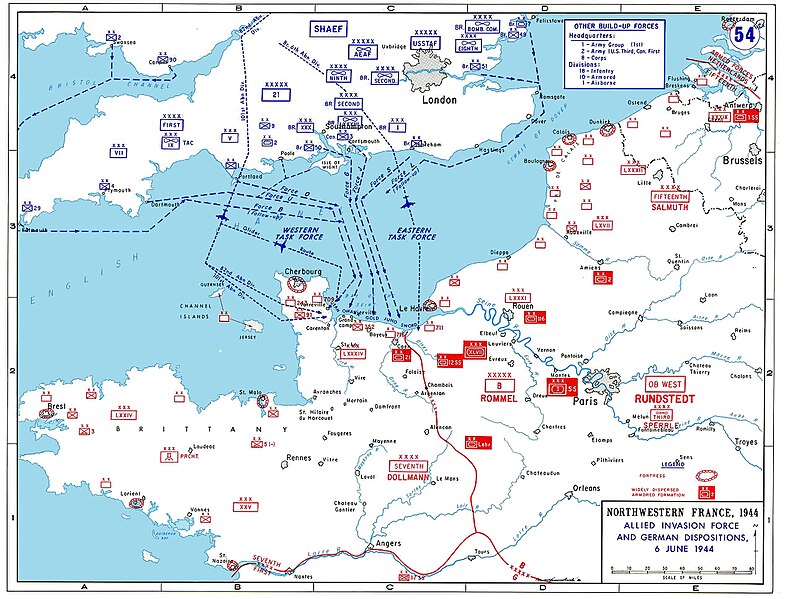   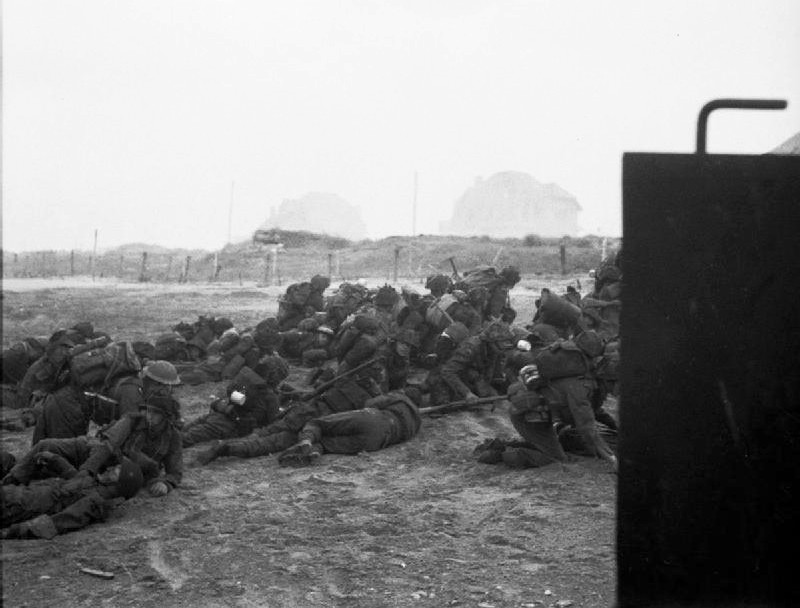  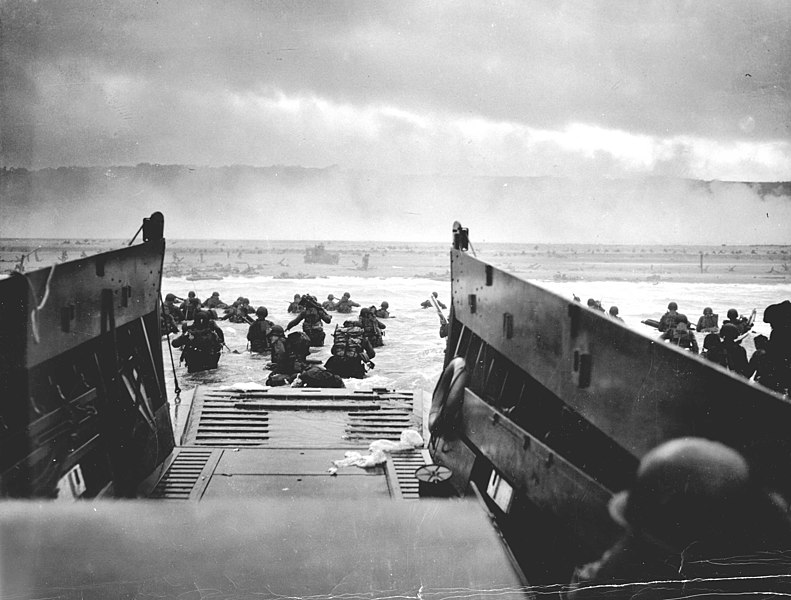 
|


 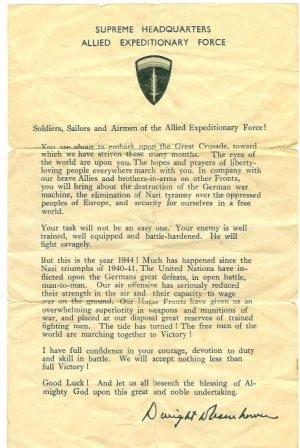 Soldiers, Sailors and Airmen of the Allied Expeditionary Force!You are about to embark upon the Great Crusade, toward which we have |


|
Quoted:
There is often a lot of cracks against Coast Guard here. 
Who Do You Think Drove The Higgins Boats (the landing craft) to The Beaches?
Combination of RN and Coast Guard… 
The USCG-1, formerly the 83300, escorted the first waves of landing craft into the Omaha assault area on D-Day morning. Her crew pulled 28 survivors from a sunken landing craft out of the English Channel right off the beaches before 0700, 6 June 1944. Here the 83-foot Coast Guard cutter USCG 1 is picturedoff Omaha Beach on the morning of D-Day, tied up to an LCT and the Samuel Chase. 
The USCG-6 (83334) off Normandy. Note her unofficial skull and cross-bone insignia hand-painted beneath her flying bridge. 
USCG-20 (83401) and USCG-21 (83402) off the coast of Normandy. The USCG-20 was later driven ashore during the storm that destroyed the artificial harbors in June, 1944. She was repaired and transferred to the Royal Navy (through the WSA) later that year. 
The crew aboard the USCG-6 with the cutter's unofficial insignia painted on their helmets. During the spring of 1944, prior to the onset of Operation Overlord, President Franklin Roosevelt ordered the Coast Guard to provide search and rescue craft for the invasion. The Coast Guard had a fleet of 83-foot wooden-hulled patrol craft that were used for coastal patrols in U.S. waters and so the Commander in Chief of the U.S. Fleet, Admiral Ernest King, USN, ordered the Coast Guard to deploy 60 of these cutters to the United Kingdom for service during Operation Neptune/Overlord. Their hull numbers were removed and they were given new designations of 1 to 60, preceded by "USCG", to ease identification issues in the Allied invasion fleet. Each cutter was transported piggy-back on freighters to the U.K. where they were offloaded, formed into "Rescue Flotilla One" based at Poole, England, and modified for service as rescue craft. They earned the nickname "Matchbox Fleet" due to their wooden hulls and two Sterling-Viking gasoline engines –– one incendiary shell hitting a cutter could easily turn it into a "fireball." They were assigned to each of the invasion areas, with 30 serving off of the British and Canadian sectors and 30 serving off the American sectors. During Operation Neptune/Overlord these cutters and their crews carried out the Coast Guard's time-honored task of saving lives, albeit under enemy fire on a shoreline thousands of miles from home. The cutters of Rescue Flotilla One saved more than 400 men on D-Day alone and by the time the unit was decommissioned in December, 1944, they had saved 1,438 souls. The USCG suffed 15 casualties on D-Day, mainly from crewing the LCI's. More details on the Coast Guard at Normandy http://www.uscg.mil/history/Normandy_Index.asp |
|
Quoted:
Quoted:
RIP grandpa not a d-day guy, he was right wing gunner on a B-25 over CIB, 33 missions, we are all greatful for what you did. Do you know the name of his plane? I do not know, but I will find out. he was a luckly man and made it back to the states. |
|
Quoted: Quoted: Quoted: RIP grandpa not a d-day guy, he was right wing gunner on a B-25 over CIB, 33 missions, we are all greatful for what you did. Do you know the name of his plane? I do not know, but I will find out. he was a luckly man and made it back to the states. If you find out I will try to find some pics of it |