


Posted: 11/19/2013 4:58:15 PM EDT
Supposing I'm at an auction where there's a box of old, valuable guns. Suppose the auctioneer doesn't know what he's got (a box of FP-45 Liberator pistols, for example), calling them "cheap Japanese toys."
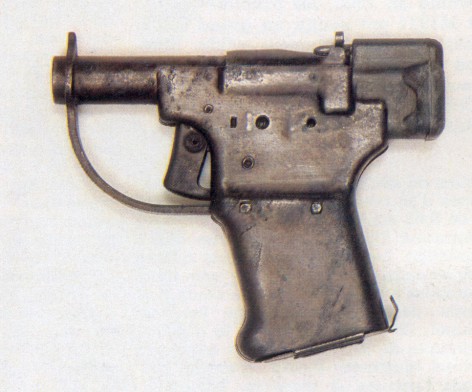
Suppose I buy them for $20; have I broken the law, since I am not a dealer? Suppose I take one or two of them to a gun show and sell them; is this illegal? |
|
IANAL.
Found the ATF policy regarding auction houses Per the ATF: if the auction house regularly (every month or two) hosts consignment auctions of guns, the auction house usually takes possession of the firearms and so should be an FFL holder. For estate sales of guns, the ATF states that the estate is usually the party that retains possession so the auction house doesn't need an FFL (unless the auction house also does regular consignment auctions of guns). So to answer your question, once the auction is over, it may be in your best interest to ask them if they hold an FFL and, if so, inform them that you bought firearms. If they don't, and they rarely do consignment auctions of guns, you may be good to go. I don't know if they're allowed to cancel the sale after the fact if they realize the error. As for the second question, it would ultimately depend on the ATF agent and US Attorney whether they pursue charges, but I can see where they might view what you're doing as "engaging in the business of dealing in firearms". |
|
Quoted:
IANAL. Found the ATF policy regarding auction houses Per the ATF: if the auction house regularly (every month or two) hosts consignment auctions of guns, the auction house usually takes possession of the firearms and so should be an FFL holder. For estate sales of guns, the ATF states that the estate is usually the party that retains possession so the auction house doesn't need an FFL (unless the auction house also does regular consignment auctions of guns). So to answer your question, once the auction is over, it may be in your best interest to ask them if they hold an FFL and, if so, inform them that you bought firearms. If they don't, and they rarely do consignment auctions of guns, you may be good to go. I don't know if they're allowed to cancel the sale after the fact if they realize the error. As for the second question, it would ultimately depend on the ATF agent and US Attorney whether they pursue charges, but I can see where they might view what you're doing as "engaging in the business of dealing in firearms". Thanks for your answer! Would this require an FFL or an antique dealer's license (curios and relics) to sell them? |
|
Quoted:
Suppose I buy them for $20; have I broken the law, since I am not a dealer? No, you are free to buy as many guns as you like. Quoted:
Suppose I take one or two of them to a gun show and sell them; is this illegal? Probably not, but if you start showing up monthly at gun shows selling one or two each time I think you are asking for trouble. |
|
Quoted:
Thanks for your answer! Would this require an FFL or an antique dealer's license (curios and relics) to sell them? Quoted:
Quoted:
IANAL. Found the ATF policy regarding auction houses Per the ATF: if the auction house regularly (every month or two) hosts consignment auctions of guns, the auction house usually takes possession of the firearms and so should be an FFL holder. For estate sales of guns, the ATF states that the estate is usually the party that retains possession so the auction house doesn't need an FFL (unless the auction house also does regular consignment auctions of guns). So to answer your question, once the auction is over, it may be in your best interest to ask them if they hold an FFL and, if so, inform them that you bought firearms. If they don't, and they rarely do consignment auctions of guns, you may be good to go. I don't know if they're allowed to cancel the sale after the fact if they realize the error. As for the second question, it would ultimately depend on the ATF agent and US Attorney whether they pursue charges, but I can see where they might view what you're doing as "engaging in the business of dealing in firearms". Thanks for your answer! Would this require an FFL or an antique dealer's license (curios and relics) to sell them? 1) A C&R is a type of FFL (type 03, to be precise). It allows you to buy and sell C&R-eligible firearms for your own collection. Period. All of the paperwork one gets with a C&R explicitly states that a C&R holder may not engage in the business in dealing in firearms. 2) You may be able to sell them on consignment with a local dealer, but I can see where some ATF agents and prosecutors may still see that as acting like a dealer. |
|
Quoted:
Supposing I'm at an auction where there's a box of old, valuable guns. Suppose the auctioneer doesn't know what he's got (a box of FP-45 Liberator pistols, for example), calling them "cheap Japanese toys." http://upload.wikimedia.org/wikipedia/commons/1/15/M1942_liberator.jpg Suppose I buy them for $20; have I broken the law, since I am not a dealer? Suppose I take one or two of them to a gun show and sell them; is this illegal? As I understand the law, you can buy whatever you want, and you have not broken any Federal laws (assuming that you are otherwise legally able to buy firearms). Most of the Federal regulations involve either guns crossing state lines, or restrictions relating to selling. There are relatively few Federal restrictions on the buyer, provided he is buying within his own state, and following state laws. http://www.atf.gov/firearms/faq/curios-relics.html#business-definition Q: What does “engaged in the business” mean?
The term “engaged in the business,” as applicable to a firearms dealer, is defined as a person who devotes time, attention, and labor to dealing in firearms as a regular course of trade or business with the principal objective of livelihood and profit through the repetitive purchase and resale of firearms, but such term shall not include a person who makes occasional sales, exchanges, or purchases of firearms for the enhancement of a personal collection or for a hobby, or who sells all or part of his personal collection of firearms. If your principle objective is "livelihood and profit through the repetitive purchase and resale of firearms", then you need to become a FFL. However, if you are "a person who makes occasional sales, exchanges, or purchases of firearms for the enhancement of a personal collection or for a hobby, or who sells all or part of his personal collection of firearms", then you can make firearm sales without a FFL. In my opinion, regardless of what the law says, and regardless of what the ATF FAQ says, it is wise to keep in mind what a jury might think, and thus what a prosecutor might think a jury might think. It seems that the speed with which guns are sold after being bought is something which is brought up in relevant trials. If you have owned guns in your personal collection for one or more years, and then sell some items from your personal collection, it is a lot harder to make a case that you are not in the "occasional sales, exchanges, or purchases of firearms for the enhancement of a personal collection or for a hobby, or who sells all or part of his personal collection of firearms" category. Another thing to consider is the fact that documentation of firearms purchases/sales is actually poses a legal liability. With that in mind, I would not recommend informing the auctioneer of their mistake. The fact is that you have broken no laws--either in letter or in spirit. Although it is possible that the auctioneer has broken a law, any violations of the law have already happened. Informing them of their mistake only brings potential legal liability to you and them, and financial liability to you--and certainly offers no possible legal benefit to you. ETA: Obviously, all of this is my opinion. I am not an expert or a lawyer--just a random stranger posting on an internet forum. |