


Posted: 8/25/2008 3:51:24 PM EDT
| I've been listening to a feed from Denver PD and it's driving me crazy (plain language). The air is only clear for a few seconds at a time because neither the PD nor the dispatcher can xmit a succinct message. I know it's busy there right now, but the difference seems clear to me. |

Do you know if they're using it just for the convention? It just sounds so inefficient on the radio right now. |
I'm of the same opinion. Too much radio traffic for my liking, it only takes a quick xmit of "shots fired." Surprisingly I haven;t heard too much covering or people "stomping on eachother. |
It sounds like more then one frequency to me on the live feed. 10 codes are good for quick radio traffic, but plain english from the dispatcher is becoming more common. An officer needs the details of the call. |
We get our details via MCT with anything of significance being broad casted over the air. We also have 14 different channels for the area command, gangs, swat, traffic, etc etc. And I agree, sounds like multiple different units on the same channel. |
The MDT's are great, but during major events (mardi gras) our system will get overloaded. I can only imagine what a mess DPD has on their hands. |
I think fire and ems is mixed in. Dispatch detailing call info is how it is here with a little mix of plain english and 10 codes depending on how they feel. It's all unit-to-unit and unit-to-dispatch traffic that sounds so busy. Like Infallible said, if they could just shorten up their plain english messages it would sound cleaner. "Shot fired" instead of "we're being fired upon". Easy as it is to forget 10 codes under stress, plain english is only going to get more long-winded and labored in the same circumstances unless you practice getting to the point with all your other calls. |
|
While I know DHS/FEMA is pushing plain speak, I have a feeling their justification comes from a very few incidents where agencies didn't share a lingo. I'm willing to bet they didn't share commo channels either, but they don't address that under the same section. This is from the same agency that initially made the fire service rename the thousands of large water hauling trucks from their traditional title of "tanker" to "water tender", because there happen to be 15 aircraft available to the federal efforts that can dump water that wanted the title instead. A lot of the "interoperability" problems could have been solved without FEDGOV interference or coercion if the agencies would have taken the time to plan and train together before SHTF. Of course, without the pressure from on high, most brass hats most likely wouldn't have been able to find the time or $$. 
|
|
10-codes are vastly superior. Their only shortcoming is when you have departments that don't share a common list of codes try and work with one another. Here in Maine a 10-83 is a traffic stop, it could mean anything from a loose dog to officer needs help in another state. Unfortunately this is magnified during huge clusterfucks like Katrina. |
| I know not all codes or signals are the same. IMO, codes are superior to the drawn out plain language I'm listening to right now. BUT, if the standard for plain language was the literal decoding of a 10 code (i.e. 10-XX is spoken as "Transporting, starting mileage XX,XXX), it would be fine. I imagine it's like that in some places. |
True Some people love to hear their own voices on the radio, turning on your side unit and car radio just so you can listen to it. |
|
Plain language... because we all speak it. This strikes me as a perfect KISS situation. Here's the problem with 10-codes... everybody uses a slightly different version, and it's like speaking different languages. Major interoperability screwups can happen that way. Even if everybody's on the same frequencies and radio systems (and how rare is that?), you will still get screw-ups from the wrong 10-codes. The fewer failure points you have in an already-complex system, the better. Besides, once everybody's running trunked/encrypted all the time, I predict 10-codes will go away for good. We've all got a common language already... it only makes sense to use it. |
I work in a task force settin with 10 different agencies. The first thing we have to do when we get a new guy assigned is get him to stop using ten codes that frequently don't match up with other departments (nothing like broadcasting you are an officer in trouble when what you wanted to do was say you were taking a bathroom break  ) )
|
|
Please god 10 codes. We tried plain talk for almost a year. After much screaming and bitching we finally get to go back to 10 codes. Plain talk makes you sound like a bunch of fucking hillbillies on the radio. Not to mention our radio's suck so with 10 codes you can pick out the meaning faster and easier as opposed to hearing every third word with plain talk. Plus there has been a lot of confusion with Officers asking for help. Does he need the help or does he need the help as in I'M GETTING MY ASS KICKED HELP!!! |
|
10 codes are good because everyone in the jurisdiction understands them. The failure of plain talk will be in direct proportion to the ability of radio operators and police to speak and understand intelligible English. I personally favor plain talk, but some of the people I work with can't even put ten codes over the air without being misunderstood. Mushmouth and slang do not transmit well. |
| We still use 10 codes for now, but the "guys that live on the hill" want us to be NIMS compliant and are pushing for us to use plain talk. I can see good and bad in both. A couple of our dispatchers have a real bad habit of saying the last digits of a 10 code only and before the mic is cued-up, so all we hear is radio clicks. The other side of the coin is we have a dispatcher that gets over excited and would never shut up if we didnt use 10 codes |
I agree. We use 400 codes, I'd rather yell out 416 or 444! Then NEED HELP SEND ANOTHER UNIT! |
|
My agency uses 10 codes and we have 400 plus. I don't know them all and I never will. Still, it seems that people talk more on the radios than Smokey and the Bandit. Jeez. Some people just can't shut the hell up. I get sick of it and sometimes want to turn the damned thing off. ETA: Some people think ABC means "Always Be Crowding" the channel. |
|
we went from 10 codes to plain english when I had about 6 years on. Ten codes are nice as it it quick and to the point which alot of people can't do with plain english. I still find that I may slip back to 10's if I am talking to another officer that I know has been around since we switched and it is a big scene or something stressfull, but for the most part I have gotten away from them. Our dept switched as there was no standardized 10 codes system in use for us and the surrounding agencies (to many chiefs, to little brain power) so there was confusion amoungst the ranks from the departments. We all have seperate freq's but often worked closely with each other or overlapping back up if it was busy. Us old guys still use 10codes in briefing thought when there are rookies around that don't need to know what we are talking about LOL. The only 10code that we still teach at our place and IS used is 10-13 which is "Officer needs emergency assitance" We had a rookie fresh out of FTO that obivously did not pay attention to the EMERGENCY part of that 10 code and called it for back up on a routine TS that he wanted to search the car. He was suprised when about 15 cars showed up from about 4 different agencies! He got a talkin to! J- |
| I am willing to bet that Denver is high on using plain right now because of inter-agency communication. I dont think it'll be the wave of the future (at least not in police radio). We got a new radio system 2yrs ago and the system was 'supposed' to let us key up, talk, and it was going to record us for a few seconds and the release our traffic after radio traffic was clear, to prevent 'walking'. Yeah, 10+ mil later and the radio has a far better signal but we must key up for 2-3 seconds before we speak and we 'walk' all of the time. Dunno who dropped the ball on that one, city or company. It would really really help though if dispatchers would pay attention to us and our locations! That itself could solve a few of the problems. |
Most of those sanners from scanamerica.us pick up audio from dozens or even hundreds of different channel banks from that area. I believe that the denver scanner picks up both fire and police, so you are getting alot of overlap from different channels. My county utilizes plain english and I think it works very well. There are two dispatch channels for the county, each with thier own channel, one for the eastern half of the county and one for the western half. Alert tones go out over a seperate low band channel. There are 26 fireground channels iirc, and each department has thier own channel for non emergency traffic. We dont have any issues with radio traffic. Also, some departments in the area utilize thier own dispatch. Our 800 mhz radio's pick up literally hundreds of channels, and we are capable of talking with virtually anyone. Now if all traffic went over one channel like you hear it on that website, it would be caos! |
|
Whenever I hear of plain language I always picture Roscoe P. Coltrane - " Hey dispatcher, does this here guy have a warrant on him? Come back" " Dispatcher, be Advised, that fella done run away for some reason" Plain language is an answer in search of a problem. |
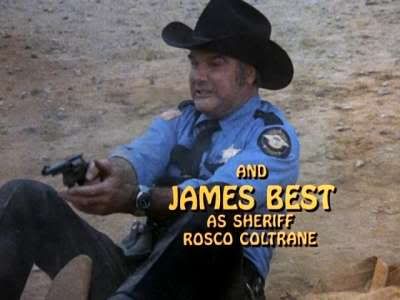
stopped officially using 10 codes in January after decades of use, still hear em used,hard habit to break. had and still have quick codes. code 1 - 1 cover unit, noncode code 2 - close the air, send cover code. officer advises how many units needed code 3 - air closure, officer needs help, all avail units go. also plain english is spelled out- cover / backup vs HELP. radio traffic: 1b3 help gets pretty much every city,county and state unit in the county to respond |
|
We are officially on plain talk as of this past January, but guys are perpetually slipping back to ten codes, particularly when they get stressed. My opinion is that the right thing to do is to keep 10-codes, then go to plain talk during very specific events and incidents. Have dispatch hit the tones, and say something like "effective 1500 we are going to plain talk" and likewise when they're done. 10-codes are so much more brief and efficient, particularly with some of the blabbermouths we have around here. |
+ 100,000,000 Plain talk is garbage. 10 Codes give LEO an advantage when talking in front of supects and the public. I know some people (because they deal with LEO's so much) know what is being said, but the simple fact of the matter is it limits time on the radio. I work for an agency that allegedly 10 Codes. Untill recently my precinct had to share a channel with another precinct. That precincts radio traffic SUCKS!! They barely use the 10 Codes and tie up the radio with needless ramblings to the point that Deputies in my precinct started resorting to calling in traffic stops on thier cell phones or (in one case) hitting the emergency button on his radios to break in. Plain Talk would not be needed if the agencys in each state stop bickering about who's Codes are the best and agree to use one format of Ten and Signal Codes. On that same not if the Govenor would man up and tell the agencies they will use codes and come to an agreement on one set of codes to use it wouldn't be an issue. As far as whoever it is saying whatever they are saying about ten codes not working and thaqt LEO's shouldn't use them. 1. For those people who are not cops - When you stick a badge on your chest, strap on a gun and go do the job, then and only then may I entertain your thoughts. 2. For those who meet the criteria for me entertaining your comments - Cracker Barrl is hiring, I send you an application. Nothing personal, don't mean to offend. |