


[ARCHIVED THREAD] - How about a a Rhodesian thread? :) (Page 1 of 2)
Posted: 1/6/2013 6:14:23 PM EDT
Been a while so It's about time for another one.   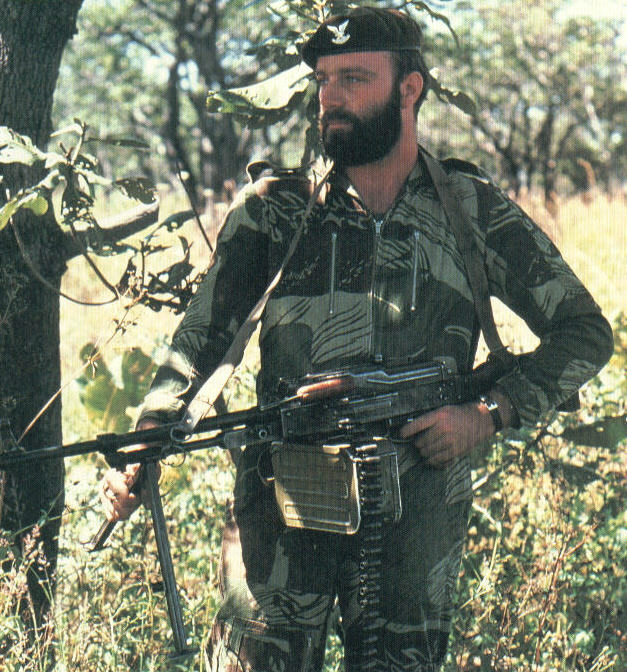 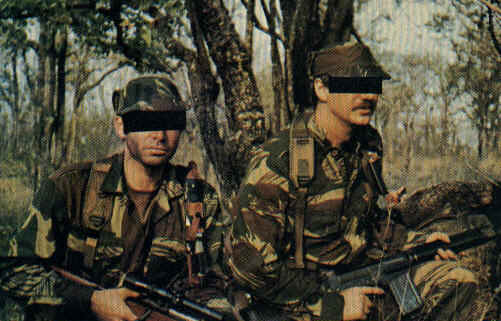      |

|
Quoted: Quoted: Quoted: They didn't lose.....Remember that. Rhodesia never surrendered. Too bad they lost. How did it go down? I don't see it on the map any more. SOUTHERN AFRICA CALLS THE TUNEThe Portuguese coup on 25 April 1974 had an immediate and wide-ranging effect on the political landscape of Southern Africa. By the middle of the year, a Frelimo-led caretaker government had been installed in Lourengo Marques, which meant that the port of Beira, hitherto one of Rhodesia's main trade outlets, was no longer available. The same applied to Lourengo Marques. A new railway link from Rutenga to Beit Bridge was completed in September. This has provided an additional railway line between Rhodesia and South Africa that has now become Rhodesia's lifeline to the outside world. In the general election, held on 31 July, the Rhodesia Front Party again won all 50 white constituencies. South African Prime Minister John Vorster launched his famous detente-with-Africa policy during a speech to the Senate in Cape Town on 23 October 1974. Pres Kenneth Kaunda of Zambia reacted a few days later, welcoming the speech as "the voice of reason for which Africa and the world have been waiting". Realising that the Portuguese coup had drastically changed the situation for white Southern Africa, and for Rhodesia in particular, Kaunda now encouraged black Rhodesian nationalists to unite with a view to negotiating with the Rhodesian government, a course both he and Vorster openly favoured. Several leaders, including Sithole and Nkomo, were released as result of Vorster's detente efforts. Black leaders met in Lusaka, and on 9 December 1974 they signed an agreement uniting ZAPU, ZANU and FROLIZI (Front for the Liberation of Zimbabwe), under the banner of the African National Council of Bishop Muzorewa. Two days after the meeting, Smith informed the country that the government was to hold a constitutional conference with the nationalists, and that nationalist leaders still in detention would be released. The Prime Minister indicated that he expected terrorist incursions in Rhodesia to cease in reciprocation. South Africa also expected acts of terrorism to cease, and Vorster confirmed that South African police units originally sent to Rhodesia in 1967/68, would be withdrawn if terrorists were to discontinue their own activities. Despite a definite lull in terrorist incursions, these soon increased again, and on 10 January 1975 the Rhodesian government stopped the release of political detainees. Security measures were again tightened, and military officials later admitted that their relaxed vigilance during the initial stages of detente had enabled terrorists to step-up activities in certain areas of Eastern and North-Eastern Rhodesia. Sithole was again arrested in March 1975 on charges of plotting the assassination of certain of his political opponents. This caused an immediate outcry in African circles, and pressure was brought to bear on South Africa to effect his release. Smith led a high-ranking Rhodesian government delegation to a conference with the South African Prime Minister on 15 March. Herbert Chitepo, leader of the ZANU movement, was assassinated by political rivals in Lusaka four days later, revealing the serious rift within the nationalist movement. The Rhodesian Special Court renewed the detention order on Sithole at the beginning of April, but he was released on 6 April following an appeal by Muzorewa, supported by the South African government. Efforts to bring the Rhodesian government and the various nationalists together, were intensified during the next two months, the South African government playing a prominent role in attempts to bring the interested parties to the conference table. Tension again mounted among supporters of the various black movements. Thirteen people were killed and 28 injured when the police opened fire on a crowd of several thousand blacks on 2 June. The initial talks held between Smith and the ANC leaders on 15 June 1975 ended in a deadlock as the parties were unable to agree on the venue for a constitutional conference. The Rhodesian Minister of Information and several MP's flew to Lusaka ten days later for talks with Kaunda, and reached agreement for a conference to be held on neutral ground soon after their arrival. The conference was held on the bridge near the Victoria Falls in railway carriages provided by the South African Railways on 25 August. Kaunda and Vorster attended the meeting which may be regarded as the climax of the detente exercise, despite the fact, that Smith and the black nationalists failed to reach agreement. The ANC disintegrated after the Victoria Falls meeting with Joshua Nkomo forming his own internal wing, and Muzorewa and Sithole leading the external faction. The front-line presidents, notably Nyerere of Tanzania and Machel of Mozambique believed that political settlement was impossible, and this led directly to the establishment of the Zimbabwe People's Army (ZIPA), a military group consisting of former ZANU and ZAPU cadres. ZIPA forces, led by a Moscow-orientated, 18-man High Command under former ZANU Field Commander Rex Nhongo, launched a new offensive against Rhodesia on 18 January 1976. This onslaught was perhaps the single most significant element in the political struggle for Rhodesia, and quickly led to an escalation of the conflict, especially along the Mogambique border where incidents have become increasingly common. South African and Cuban involvement in the Angolan civil war, and the threat of Cuban involvement in Rhodesia, once more fixed the international spotlight on Southern Africa and the Rhodesian issue, and led to the Kissinger initiative and the abortive Geneva Conference. Smith met Kissinger, America's Secretary of State, for talks in Pretoria, and returned to Rhodesia to announce that he had accepted the Kissinger proposals calling for establishment of an interim government and a handover to black majority rule within two years. The proposals included American-British assurances, and guarantees for the white minority. The agreement called for a halt to sanctions and the terrorist war. The black nationalists, notably Robert Mugabe of ZIPA, who claims to have assumed command of ZANU's external wing from Sithole, and a number of front-line presidents, all rejected the Kissinger proposals, and intimated that they had never been party to them - the impression Kissinger had given according to Smith and Vorster. The Salisbury Government and the black leaders assembled at Geneva under the chairmanship of Mr Ivor Richard, a British UN representative in October 1976 to try and see how the proposals could best be implemented. However, the conference was marked by dissent among the black delegates from the beginning and when it broke up for Christmas no headway had been made. In fact the assembly of the conference originally scheduled for mid-January 1977 has been indefinitely postponed because of the deadlock. |
|
Quoted:
http://i20.photobucket.com/albums/b250/fightinghellfish/Miscellaneous/Picture283.jpg There ya go. I want a rhodesian ridgeback in the worst way. |
|
Rhodesian African Rifles have one of the best regimental songs.
Sweet Bannana A 'Sweet Banana' was a traditional gift a young warrior would offer the girl of his dreams, the song is said to have been written by members of the Regiment during WWII when a detachment of RAR Troops were escorting Italian POW's from the docks in Durban and purchased some bananas enroute to the POW camp. One of the most famous songs sung by Rhodesians during the bush war, the lyrics could be adapted to suit the moment. "Sweet Banana" A, B, C, D, E Headquarters I will buy you a sweet banana A, B, C, D, E Headquarters I will buy you a sweet banana Banana, Banana, Banana, I will buy you a sweet banana Shield spear and knobkerrie, soldiers in war and peace In war she fights with bravery, I will buy you a sweet banana One Two and the Depot RAR-O, I will buy you a sweet banana One Two and the Depot RAR-O, I will buy you a sweet banana Banana, Banana, Banana, I will buy you a sweet banana Shield spear and knobkerrie, soldiers in war and peace In war she fights with bravery, I will buy you a sweet banana Rhodesia, Burma, Egypt ne Malaya takarwa tika kunda Rhodesia, Burma, Egypt ne Malaya takarwa tika kunda Muhondo, Muhondo, Muhondo Inorwa no kushinga Nhowo pfumo netsvimbo ndiyo RAR-O Muhondo ne runyararo ndichakutengera sweet banana A, B, C, D Support Headquarters ndidzo ndichapedza hondo dzoze A, B, C, D Support Headquarters ndidzo ndichapedza hondo dzoze Banana, Banana, Banana ndichakutengera sweet banana Nhowo pfomo netsvimbo ndiyo RAR-O Muhondo ne runyararo ndichakutengera sweet banana Translation: Nhowo, pfumo, ne tsvimbo Shield, spear and knobkerrie Ndiyo RAR, muhondo ne runyararo That’s RAR, in war and peace Ndichakutengera sweet banana I will buy you a sweet banana Burma, Egypt ne Malaya Burma, Egypt and Malaya Takarwa tikakunda We fought and we conquered Federation ne Rhodesia The Federation and Rhodesia Takarwa tikakunda We fought and we conquered Muhondo, muhondo, muhondo In war, in war, in war Muhondo RAR, inorwa nokushinga In war, she fights with bravery |

|
Indeed!   |
|
Quoted:
Quoted:
Quoted:
Quoted:
They didn't lose.....Remember that. Rhodesia never surrendered.
Too bad they lost. How did it go down? I don't see it on the map any more. SOUTHERN AFRICA CALLS THE TUNEThe Portuguese coup on 25 April 1974 had animmediate and wide-ranging effect on the politicallandscape of Southern Africa. By the middle of theyear, a Frelimo-led caretaker government had beeninstalled in Lourengo Marques, which meant thatthe port of Beira, hitherto one of Rhodesia's maintrade outlets, was no longer available. The sameapplied to Lourengo Marques. A new railway linkfrom Rutenga to Beit Bridge was completed inSeptember. This has provided an additional railway line between Rhodesia and South Africa thathas now become Rhodesia's lifeline to the outsideworld. In the general election, held on 31 July, theRhodesia Front Party again won all 50 whiteconstituencies.South African Prime Minister John Vorsterlaunched his famous detente-with-Africa policyduring a speech to the Senate in Cape Town on 23October 1974. Pres Kenneth Kaunda of Zambiareacted a few days later, welcoming the speech as"the voice of reason for which Africa and the worldhave been waiting". Realising that the Portuguesecoup had drastically changed the situation forwhite Southern Africa, and for Rhodesia in particular, Kaunda now encouraged black Rhodesiannationalists to unite with a view to negotiatingwith the Rhodesian government, a course both heand Vorster openly favoured. Several leaders,including Sithole and Nkomo, were released asresult of Vorster's detente efforts. Black leaders metin Lusaka, and on 9 December 1974 they signed anagreement uniting ZAPU, ZANU and FROLIZI(Front for the Liberation of Zimbabwe), under thebanner of the African National Council of BishopMuzorewa.Two days after the meeting, Smithinformed the country that the government was tohold a constitutional conference with the nationalists, and that nationalist leaders still in detentionwould be released. The Prime Minister indicatedthat he expected terrorist incursions in Rhodesia tocease in reciprocation. South Africa also expectedacts of terrorism to cease, and Vorster confirmedthat South African police units originally sent toRhodesia in 1967/68, would be withdrawn ifterrorists were to discontinue their own activities.Despite a definite lull in terrorist incursions, thesesoon increased again, and on 10 January 1975 theRhodesian government stopped the release ofpolitical detainees. Security measures were againtightened, and military officials later admitted thattheir relaxed vigilance during the initial stages ofdetente had enabled terrorists to step-up activitiesin certain areas of Eastern and North-EasternRhodesia. Sithole was again arrested in March1975 on charges of plotting the assassination ofcertain of his political opponents. This caused animmediate outcry in African circles, and pressurewas brought to bear on South Africa to effect hisrelease. Smith led a high-ranking Rhodesiangovernment delegation to a conference with theSouth African Prime Minister on 15 March. Herbert Chitepo, leader of the ZANU movement, was assassinated by political rivals in Lusakafour days later, revealing the serious rift within thenationalist movement. The Rhodesian SpecialCourt renewed the detention order on Sithole atthe beginning of April, but he was released on 6April following an appeal by Muzorewa, supported by the South African government. Efforts tobring the Rhodesian government and the variousnationalists together, were intensified during thenext two months, the South African governmentplaying a prominent role in attempts to bring theinterested parties to the conference table. Tensionagain mounted among supporters of the variousblack movements. Thirteen people were killed and28 injured when the police opened fire on a crowdof several thousand blacks on 2 June. The initial talks held between Smith and theANC leaders on 15 June 1975 ended in a deadlockas the parties were unable to agree on the venue fora constitutional conference. The Rhodesian Minister of Information and several MP's flew to Lusakaten days later for talks with Kaunda, and reachedagreement for a conference to be held on neutralground soon after their arrival. The conference washeld on the bridge near the Victoria Falls inrailway carriages provided by the South AfricanRailways on 25 August. Kaunda and Vorsterattended the meeting which may be regarded asthe climax of the detente exercise, despite the fact,that Smith and the black nationalists failed toreach agreement. The ANC disintegrated after theVictoria Falls meeting with Joshua Nkomo forming his own internal wing, and Muzorewa andSithole leading the external faction. The front-line presidents, notably Nyerere of Tanzania and Machel of Mozambique believed that political settlement was impossible, and this led directly to the establishment of the Zimbabwe People's Army (ZIPA), a military group consisting of former ZANU and ZAPU cadres. ZIPA forces, led by a Moscow-orientated, 18-man High Command under former ZANU Field Commander Rex Nhongo, launched a new offensive against Rhodesia on 18January 1976. This onslaught was perhaps the single most significant element in the politicalstruggle for Rhodesia, and quickly led to anescalation of the conflict, especially along theMogambique border where incidents have becomeincreasingly common. South African and Cubaninvolvement in the Angolan civil war, and thethreat of Cuban involvement in Rhodesia, oncemore fixed the international spotlight on SouthernAfrica and the Rhodesian issue, and led to theKissinger initiative and the abortive Geneva Conference. Smith met Kissinger, America's Secretary ofState, for talks in Pretoria, and returned to Rhodesia to announce that he had accepted the Kissingerproposals calling for establishment of an interimgovernment and a handover to black majority rulewithin two years. The proposals includedAmerican-British assurances, and guarantees forthe white minority. The agreement called for a haltto sanctions and the terrorist war. The blacknationalists, notably Robert Mugabe of ZIPA, whoclaims to have assumed command of ZANU'sexternal wing from Sithole, and a number offront-line presidents, all rejected the Kissingerproposals, and intimated that they had never beenparty to them - the impression Kissinger hadgiven according to Smith and Vorster. The Salisbury Government and the black leaders assembled at Geneva under the chairmanshipof Mr Ivor Richard, a British UN representative in October 1976 to try and see how theproposals could best be implemented. However,the conference was marked by dissent among theblack delegates from the beginning and when itbroke up for Christmas no headway had beenmade. In fact the assembly of the conferenceoriginally scheduled for mid-January 1977 hasbeen indefinitely postponed because of the deadlock. I still don't get it. Please explain. I know they got boned just like South Africa but I don't know the details. I remember reading about the Selous Scouts(?) in Soldier of Fortune and how they ate "bush meat". Baboons! And that they wore beards to help protect their identity. Badass commie fighters! |
|
Looks nice! |
|
Quoted: Rhodesian African Rifles have one of the best regimental songs. Sweet Bannana A 'Sweet Banana' was a traditional gift a young warrior would offer the girl of his dreams, the song is said to have been written by members of the Regiment during WWII when a detachment of RAR Troops were escorting Italian POW's from the docks in Durban and purchased some bananas enroute to the POW camp. One of the most famous songs sung by Rhodesians during the bush war, the lyrics could be adapted to suit the moment. "Sweet Banana" A, B, C, D, E Headquarters I will buy you a sweet banana A, B, C, D, E Headquarters I will buy you a sweet banana Banana, Banana, Banana, I will buy you a sweet banana Shield spear and knobkerrie, soldiers in war and peace In war she fights with bravery, I will buy you a sweet banana One Two and the Depot RAR-O, I will buy you a sweet banana One Two and the Depot RAR-O, I will buy you a sweet banana Banana, Banana, Banana, I will buy you a sweet banana Shield spear and knobkerrie, soldiers in war and peace In war she fights with bravery, I will buy you a sweet banana Rhodesia, Burma, Egypt ne Malaya takarwa tika kunda Rhodesia, Burma, Egypt ne Malaya takarwa tika kunda Muhondo, Muhondo, Muhondo Inorwa no kushinga Nhowo pfumo netsvimbo ndiyo RAR-O Muhondo ne runyararo ndichakutengera sweet banana A, B, C, D Support Headquarters ndidzo ndichapedza hondo dzoze A, B, C, D Support Headquarters ndidzo ndichapedza hondo dzoze Banana, Banana, Banana ndichakutengera sweet banana Nhowo pfomo netsvimbo ndiyo RAR-O Muhondo ne runyararo ndichakutengera sweet banana Translation: Nhowo, pfumo, ne tsvimbo Shield, spear and knobkerrie Ndiyo RAR, muhondo ne runyararo That’s RAR, in war and peace Ndichakutengera sweet banana I will buy you a sweet banana Burma, Egypt ne Malaya Burma, Egypt and Malaya Takarwa tikakunda We fought and we conquered Federation ne Rhodesia The Federation and Rhodesia Takarwa tikakunda We fought and we conquered Muhondo, muhondo, muhondo In war, in war, in war Muhondo RAR, inorwa nokushinga In war, she fights with bravery |


|
Quoted:
Quoted:
Any book recommendations on the Rhodesian Civil War would be appreciated  http://www.amazon.com/The-Saints-Rhodesian-Light-Infantry/dp/1920143076/ref=sr_1_19?ie=UTF8&qid=1357529965&sr=8-19&keywords=rhodesian+bush+war Much appreciated! But, out of stock and $900 used 
|
|
Quoted:
http://i20.photobucket.com/albums/b250/fightinghellfish/Miscellaneous/Picture283.jpg There ya go. I always since about 10 wanted a Rhodesian Ridgeback I settled a week a go for Ridgeback beer! And yea well, NOT TOO BAD |
|
Quoted:
Quoted:
Quoted:
Quoted:
Quoted:
They didn't lose.....Remember that. Rhodesia never surrendered.
Too bad they lost. How did it go down? I don't see it on the map any more. SOUTHERN AFRICA CALLS THE TUNEThe Portuguese coup on 25 April 1974 had animmediate and wide-ranging effect on the politicallandscape of Southern Africa. By the middle of theyear, a Frelimo-led caretaker government had beeninstalled in Lourengo Marques, which meant thatthe port of Beira, hitherto one of Rhodesia's maintrade outlets, was no longer available. The sameapplied to Lourengo Marques. A new railway linkfrom Rutenga to Beit Bridge was completed inSeptember. This has provided an additional railway line between Rhodesia and South Africa thathas now become Rhodesia's lifeline to the outsideworld. In the general election, held on 31 July, theRhodesia Front Party again won all 50 whiteconstituencies.South African Prime Minister John Vorsterlaunched his famous detente-with-Africa policyduring a speech to the Senate in Cape Town on 23October 1974. Pres Kenneth Kaunda of Zambiareacted a few days later, welcoming the speech as"the voice of reason for which Africa and the worldhave been waiting". Realising that the Portuguesecoup had drastically changed the situation forwhite Southern Africa, and for Rhodesia in particular, Kaunda now encouraged black Rhodesiannationalists to unite with a view to negotiatingwith the Rhodesian government, a course both heand Vorster openly favoured. Several leaders,including Sithole and Nkomo, were released asresult of Vorster's detente efforts. Black leaders metin Lusaka, and on 9 December 1974 they signed anagreement uniting ZAPU, ZANU and FROLIZI(Front for the Liberation of Zimbabwe), under thebanner of the African National Council of BishopMuzorewa.Two days after the meeting, Smithinformed the country that the government was tohold a constitutional conference with the nationalists, and that nationalist leaders still in detentionwould be released. The Prime Minister indicatedthat he expected terrorist incursions in Rhodesia tocease in reciprocation. South Africa also expectedacts of terrorism to cease, and Vorster confirmedthat South African police units originally sent toRhodesia in 1967/68, would be withdrawn ifterrorists were to discontinue their own activities.Despite a definite lull in terrorist incursions, thesesoon increased again, and on 10 January 1975 theRhodesian government stopped the release ofpolitical detainees. Security measures were againtightened, and military officials later admitted thattheir relaxed vigilance during the initial stages ofdetente had enabled terrorists to step-up activitiesin certain areas of Eastern and North-EasternRhodesia. Sithole was again arrested in March1975 on charges of plotting the assassination ofcertain of his political opponents. This caused animmediate outcry in African circles, and pressurewas brought to bear on South Africa to effect hisrelease. Smith led a high-ranking Rhodesiangovernment delegation to a conference with theSouth African Prime Minister on 15 March. Herbert Chitepo, leader of the ZANU movement, was assassinated by political rivals in Lusakafour days later, revealing the serious rift within thenationalist movement. The Rhodesian SpecialCourt renewed the detention order on Sithole atthe beginning of April, but he was released on 6April following an appeal by Muzorewa, supported by the South African government. Efforts tobring the Rhodesian government and the variousnationalists together, were intensified during thenext two months, the South African governmentplaying a prominent role in attempts to bring theinterested parties to the conference table. Tensionagain mounted among supporters of the variousblack movements. Thirteen people were killed and28 injured when the police opened fire on a crowdof several thousand blacks on 2 June. The initial talks held between Smith and theANC leaders on 15 June 1975 ended in a deadlockas the parties were unable to agree on the venue fora constitutional conference. The Rhodesian Minister of Information and several MP's flew to Lusakaten days later for talks with Kaunda, and reachedagreement for a conference to be held on neutralground soon after their arrival. The conference washeld on the bridge near the Victoria Falls inrailway carriages provided by the South AfricanRailways on 25 August. Kaunda and Vorsterattended the meeting which may be regarded asthe climax of the detente exercise, despite the fact,that Smith and the black nationalists failed toreach agreement. The ANC disintegrated after theVictoria Falls meeting with Joshua Nkomo forming his own internal wing, and Muzorewa andSithole leading the external faction. The front-line presidents, notably Nyerere of Tanzania and Machel of Mozambique believed that political settlement was impossible, and this led directly to the establishment of the Zimbabwe People's Army (ZIPA), a military group consisting of former ZANU and ZAPU cadres. ZIPA forces, led by a Moscow-orientated, 18-man High Command under former ZANU Field Commander Rex Nhongo, launched a new offensive against Rhodesia on 18January 1976. This onslaught was perhaps the single most significant element in the politicalstruggle for Rhodesia, and quickly led to anescalation of the conflict, especially along theMogambique border where incidents have becomeincreasingly common. South African and Cubaninvolvement in the Angolan civil war, and thethreat of Cuban involvement in Rhodesia, oncemore fixed the international spotlight on SouthernAfrica and the Rhodesian issue, and led to theKissinger initiative and the abortive Geneva Conference. Smith met Kissinger, America's Secretary ofState, for talks in Pretoria, and returned to Rhodesia to announce that he had accepted the Kissingerproposals calling for establishment of an interimgovernment and a handover to black majority rulewithin two years. The proposals includedAmerican-British assurances, and guarantees forthe white minority. The agreement called for a haltto sanctions and the terrorist war. The blacknationalists, notably Robert Mugabe of ZIPA, whoclaims to have assumed command of ZANU'sexternal wing from Sithole, and a number offront-line presidents, all rejected the Kissingerproposals, and intimated that they had never beenparty to them - the impression Kissinger hadgiven according to Smith and Vorster. The Salisbury Government and the black leaders assembled at Geneva under the chairmanshipof Mr Ivor Richard, a British UN representative in October 1976 to try and see how theproposals could best be implemented. However,the conference was marked by dissent among theblack delegates from the beginning and when itbroke up for Christmas no headway had beenmade. In fact the assembly of the conferenceoriginally scheduled for mid-January 1977 hasbeen indefinitely postponed because of the deadlock. I still don't get it. Please explain. I know they got boned just like South Africa but I don't know the details. I remember reading about the Selous Scouts(?) in Soldier of Fortune and how they ate "bush meat". Baboons! And that they wore beards to help protect their identity. Badass commie fighters! The commie guerilla's where being supported by communist russia & china. Britain turned their backs on Rhodesia and started an arms/supply embargo on them. After a long period of kicking commie butt, Rhodesia just couldn't fund or supply it's war machine anymore. No one would lend a hand in any useful way. So they had to call it quits. And we ( the USA ) just stood by and watched it happen. Angola & South Africa soon went the same way. Just got absorbed into a communist cesspool of nastiness that makes-up most of the southern part of africa you see today. |
|
Quoted:
Check out the new rhodesian forums for great info. Alot of bush war vets are members there. A good book to read is " Fireforce". Yep, "Fireforce" by Chris Cocks and "Selous Scouts" by Ron Reid-Daly is excellent if you can find it. Also excellent is "Three Sips of Gin" by Timothy Bax. "Game of Vultures" is a fictional account of the war that was made into a movie. I have a few more in my library. Check out lekkerwear.com. They have a decent selection. |

|
I knew you'd make it to this thread. 

|
|
Quoted:
Quoted:
http://i20.photobucket.com/albums/b250/fightinghellfish/Miscellaneous/Picture283.jpg There ya go. I always since about 10 wanted a Rhodesian Ridgeback I settled a week a go for Ridgeback beer! And yea well, NOT TOO BAD They are fearless of physical danger but serious prima donnas when it comes to hurt feelings. Good dogs and loyal. |

|
Quoted:
Quoted:
Quoted:
http://i20.photobucket.com/albums/b250/fightinghellfish/Miscellaneous/Picture283.jpg There ya go. I always since about 10 wanted a Rhodesian Ridgeback I settled a week a go for Ridgeback beer! And yea well, NOT TOO BAD They are fearless of physical danger but serious prima donnas when it comes to hurt feelings. Good dogs and loyal. You're spot on about the hurt feelings, mine gets sulky if I look at her wrong. |
|
Quoted:
Gd loves them some heavily armed segregationists. They did have sexy camo daisy dukes Segregationist isn't really an accurate term. As it implies segregation based on race. Rhodesia was segregated class/wealth which followed racial lines. But was not absolute or based on race. Rhodesia was not socially segregated, at least not legally. Many people lump Rhodesia in with the apartheid government of South Africa and that is a gross over simplification. |
|
Quoted: I still, and always will, call that land Rhodesia. You have no idea how many people in America today have never heard of it. Robert Mugabe can rot in Hell, that Marxist tyrannical son-of-..... He'll be saving a seat for Carter. That man has a lot of blood on his hands. More liberal do-gooder gone horrifically wrong. Africa may be a different place if the peanut farmer had started building houses for the FSA 30 years earlier instead of running for President. |
|
Quoted:
Quoted:
Check out the new rhodesian forums for great info. Alot of bush war vets are members there. A good book to read is " Fireforce". Yep, "Fireforce" by Chris Cocks and "Selous Scouts" by Ron Reid-Daly is excellent if you can find it. Also excellent is "Three Sips of Gin" by Timothy Bax. "Game of Vultures" is a fictional account of the war that was made into a movie. I have a few more in my library. Check out lekkerwear.com. They have a decent selection. "James and the Duck"- Faan Martin, is a good read. It's a collection of short personal stories. "The Bush War in Rhodesia"- Dennis Croukamp, is a great book. He was a Selous Scout, and this is a personal account book. "Fireforce" is another good personal account. |
|
Quoted:
Any book recommendations on the Rhodesian Civil War would be appreciated The Farmer at War |