



Posted: 9/15/2021 5:00:47 PM EDT
|
HIPERFIRE reduced the size of the HIPERCOMP 556 recoil compensator for 5.56 NATO and .223 REMINGTON ammunition by giving it the same external envelope as the MIL Birdcage flash hider. Amazingly, it features the lowest felt recoil performance of any compensator HIPERFIRE staff could test. The data HIPERFIRE released last week was predicated on computer simulations using Fluent Software from ANSYS. View the latest summary video covering recoil performance predictions on HIPERFIRE's Home page at www.hiperfire.com or HIPERFIRE's Youtube channel. HIPERFIRE personnel discusses what the predictive data told them. The goal was to maximize the propellant gas exhaust effects to push the compensator and connected rifle away from the shooter. The search for this optimal design did not entail hardware design iterations, which saved a lot of time and money. After the final design satisfied the computer performance modeling, it was committed to hardware verification. No other recoil compensators perform better at reducing recoil. Visit www.hiperfire.com for more information. In the following weeks, we will publish other information that demonstrates HIPERCOMP's engineered effectiveness. 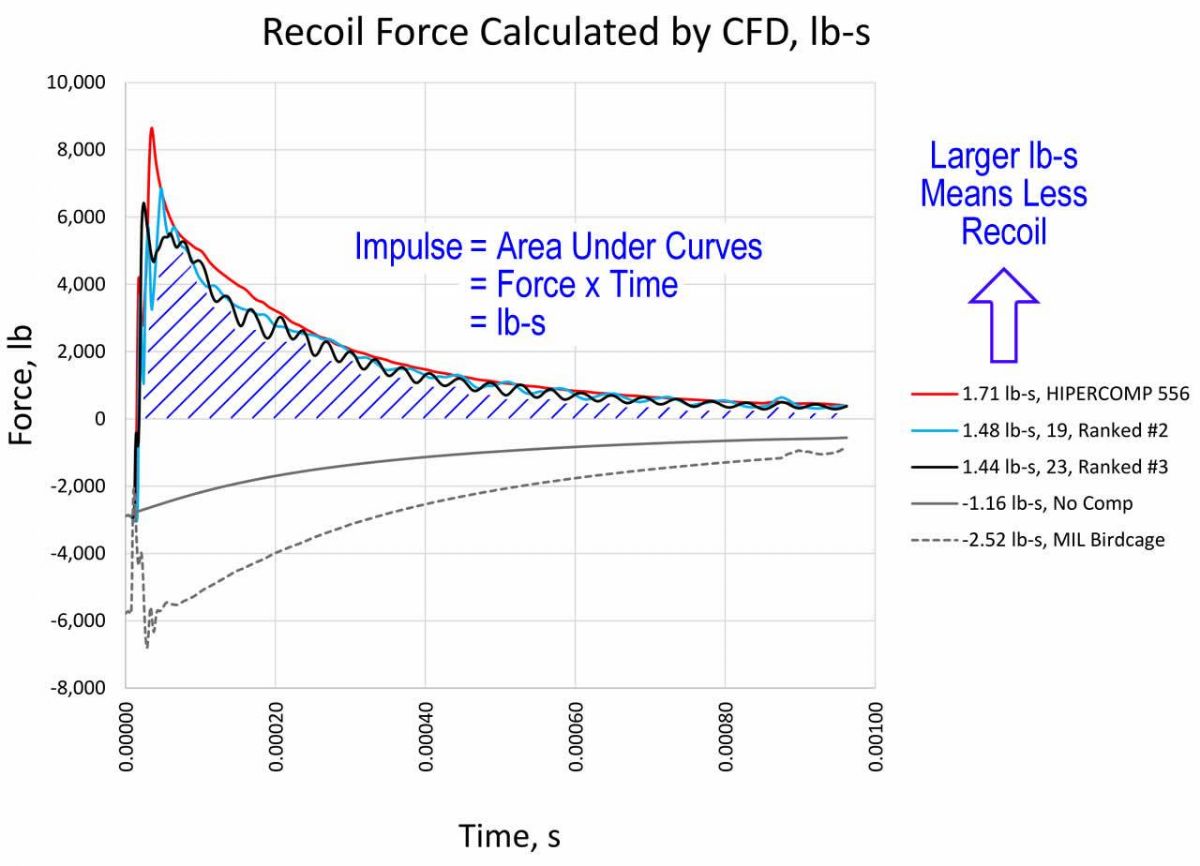
|
|
Originally Posted By HIPERFIRE_Official: HIPERFIRE reduced the size of the HIPERCOMP 556 recoil compensator for 5.56 NATO and .223 REMINGTON ammunition by giving it the same external envelope as the MIL Birdcage flash hider. Amazingly, it features the lowest felt recoil performance of any compensator HIPERFIRE staff could test. The data HIPERFIRE released last week was predicated on computer simulations using Fluent Software from ANSYS. View the latest summary video covering recoil performance predictions on HIPERFIRE's Home page at www.hiperfire.com or HIPERFIRE's Youtube channel. HIPERFIRE personnel discusses what the predictive data told them. The goal was to maximize the propellant gas exhaust effects to push the compensator and connected rifle away from the shooter. The search for this optimal design did not entail hardware design iterations, which saved a lot of time and money. After the final design satisfied the computer performance modeling, it was committed to hardware verification. No other recoil compensators perform better at reducing recoil. Visit www.hiperfire.com for more information. In the following weeks, we will publish other information that demonstrates HIPERCOMP's engineered effectiveness. https://www.ar15.com/media/mediaFiles/490207/HIPERFIRE_CalculatedRecoilForcebyCFD_202-2092009.jpg @OP what barrel length and profile was this designed around? What changes in barrel length and barrel profile impact performance? |
|
Yes, all the above will vary the results. When comparing comps, we compared apples to apples. So, we used the same 16 inch M4 barrel, ammo, etc. The only thing that changed was the comp. The recoil energy will most likely always be the same if using the same ammo, no matter the rifle weight, ammo, comp. But, if the rifle is heavier, you will perceive less recoil. That's because that same propellant energy blast gets used up moving a heavier weight, so it will feel lighter to you. On the other hand, if the rifle is lighter, you'll probably feel more recoil. There are lots of factors that influence recoil. All we are saying is that if all the other factors being equal for each comp under comparison, the HIPERCOMP 556 will reduce felt-recoil the most. |
|
See reply further below. The longer the barrel, the more powder will get burned, reducing the chamber pressure slightly, but also increasing the bore gas volume that must be ejected through the comp. That may, or may not, improve, or degrade, the comp's recoil reduction performance. It's complicated. What we are comparing is a number of comps under the same live-fire conditions that include the rifle configuration and ammo. Pick the rifle and caliber you want, then fit the comp. No matter the rifle, all the comps compared, would exhibit the same ranking if run on the same gun with the same ammo. The relative performance would track the same. The rank could appear to change if the specific live-fire shot energy changes with different barrels and ammo, but employing the same comp. |
|
@OP I guess I should ask it this way: What rifle and ammo configuration did you use as your ideal model when you went to the design board and then built for real life test? Your product release indicated that you used computer modeling and real life testing. As a guy who's got a few lowers waiting to be built out, I'm interested in giving this brake a try so I was wanting to know what your recommended barrel length, profile, material, twist rate and ammunition data was so I could replicate a system you've already put the work into optimizing for the brake. |