


[ARCHIVED THREAD] - SIG “ The P320. It ends today.” (Page 104 of 142)
Series 70 animation: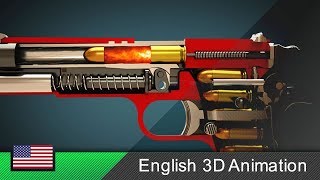 How a gun (Colt M1911) works! (Animation) series 80 cutaway:  Colt Model 1911A1 1991A1 Series 80 Cutaway Display |
|
Quoted: That doesn’t seem ideal, but again wouldn’t explain the issues. The manual safety is just an afterthought on the P320 series as a trigger block to stop someone from pulling the trigger and firing the pistol. I guess that would mean something if you had the manual safety on, were pulling the trigger, and then… what? The sear simultaneously fails and the striker falls? That does not explain firing in the holster. I think something is wrong with the P320, but these scenarios that involve a partial trigger pull I think are a wild goose chase. Quoted: Quoted: Quoted: Quoted: I said this in another thread about the “one millimeter” video but it got buried. I’m now curious if someone could test it on their P320. I’m wondering if slowly riding the slide forward on a P320 effects where the trigger resets to, versus slingshotting the slide or releasing the slide with the slide stop. My theory being that on a P320 with a bit of grit and/or a weak trigger return spring and/or a grip module that rubs the trigger and/or with out of spec parts may not fully reset the trigger forward if someone is riding the slide forward to load it; meaning the trigger isn’t coming to rest all the way forward and is left with disengaged internal safeties. Combine that with a gun that has a loose shake awake slide (like the gun in the WY Project video), and it may explain some of the uncommanded discharges. That’s just my theory. I don’t own a P320 to test my theory, nor do I want to waste money on a P320 at this point. “The pistol can fire when the trigger is partially pulled and all internal safeties are disengaged as a result” is nothing surprising or particularly interesting. “There is a mechanism which is causing the trigger to not reset to a forward state correctly, leaving the pistol in a condition where the safeties are disengaged and an appropriate amount of slide manipulation (possibly the sear walking) allows for it to fire in a holster” is a smoking gun. If someone can determine some way the trigger won’t reset correctly, then we really have a plausible explanation here when combined with poor fit of the slide and frame. That doesn’t seem ideal, but again wouldn’t explain the issues. The manual safety is just an afterthought on the P320 series as a trigger block to stop someone from pulling the trigger and firing the pistol. I guess that would mean something if you had the manual safety on, were pulling the trigger, and then… what? The sear simultaneously fails and the striker falls? That does not explain firing in the holster. I think something is wrong with the P320, but these scenarios that involve a partial trigger pull I think are a wild goose chase. I’m wouldn’t say it’s a wild goose chase. The most obvious reason is that the striker is allowed to make contact with a chambered round without user input therefore the striker safety is somehow being disabled. Either the the trigger bar or the striker safety lever itself is not performing as intended. ETA: Also, something is allowing the sear to drop away from the striker. What two things does the trigger bar do? Disengages the striker block safety and drops the sear from the striker. Would someone with a P320 and holster try something for me? • If you would, unload, check, and make safe. Check-double-check. • Bump the slide back maybe an 1/8th of an inch and slowly allow it to return to battery. • Note trigger position • Wiggle slide • Report back Most likely nothing but would like to know. |
|
Quoted: I’m wouldn’t say it’s a wild goose chase. The most obvious reason is that the striker is allowed to make contact with a chambered round without user input therefore the striker safety is somehow being disabled. Either the the trigger bar or the striker safety lever itself is not performing as intended. Quoted: Quoted: Quoted: Quoted: Quoted: I said this in another thread about the “one millimeter” video but it got buried. I’m now curious if someone could test it on their P320. I’m wondering if slowly riding the slide forward on a P320 effects where the trigger resets to, versus slingshotting the slide or releasing the slide with the slide stop. My theory being that on a P320 with a bit of grit and/or a weak trigger return spring and/or a grip module that rubs the trigger and/or with out of spec parts may not fully reset the trigger forward if someone is riding the slide forward to load it; meaning the trigger isn’t coming to rest all the way forward and is left with disengaged internal safeties. Combine that with a gun that has a loose shake awake slide (like the gun in the WY Project video), and it may explain some of the uncommanded discharges. That’s just my theory. I don’t own a P320 to test my theory, nor do I want to waste money on a P320 at this point. “The pistol can fire when the trigger is partially pulled and all internal safeties are disengaged as a result” is nothing surprising or particularly interesting. “There is a mechanism which is causing the trigger to not reset to a forward state correctly, leaving the pistol in a condition where the safeties are disengaged and an appropriate amount of slide manipulation (possibly the sear walking) allows for it to fire in a holster” is a smoking gun. If someone can determine some way the trigger won’t reset correctly, then we really have a plausible explanation here when combined with poor fit of the slide and frame. That doesn’t seem ideal, but again wouldn’t explain the issues. The manual safety is just an afterthought on the P320 series as a trigger block to stop someone from pulling the trigger and firing the pistol. I guess that would mean something if you had the manual safety on, were pulling the trigger, and then… what? The sear simultaneously fails and the striker falls? That does not explain firing in the holster. I think something is wrong with the P320, but these scenarios that involve a partial trigger pull I think are a wild goose chase. I’m wouldn’t say it’s a wild goose chase. The most obvious reason is that the striker is allowed to make contact with a chambered round without user input therefore the striker safety is somehow being disabled. Either the the trigger bar or the striker safety lever itself is not performing as intended. And we do see numerous modes of failure for the striker safety failing. Torsion springs are unreliable in general. The Beretta 92FS has a whole aftermarket redesigned part for the trigger spring to switch that to a coil spring. Then add in the design changes and the possibility of it becoming disengaged from either the striker housing or the striker block itself. Then add in that some of them seemingly have sympathetic movement with the sear or otherwise just don’t work as demonstrated by the punch test, this part is pretty easy to figure out. It’s a bad striker safety design. That’s an important half of the formula, but only half. Now how is the sear releasing the striker? That’s the big question. Our two options for that are… A. It’s easy for the trigger to be inadvertently pulled because of environmental factors because the pistol as designed and built has no safety redundancy to prevent the trigger from being pulled. B. There is some mechanical fault in design or manufacture that allows the sear to move without a trigger pull. I think we can guarantee there is some of A involved, because it happens occasionally with other pistols that have more external safety redundancy than the P320. There’s no reason to believe a P320 isn’t at equal and greater likelihood as its competitors to have ADs. It appears there is also some of B at play, and then the question is what is making the sear move to allow the striker to fall? That’s the real question and whoever figures out the answer wins. |
|
Quoted: And we do see numerous modes of failure for the striker safety failing. Torsion springs are unreliable in general. The Beretta 92FS has a whole aftermarket redesigned part for the trigger spring to switch that to a coil spring. Then add in the design changes and the possibility of it becoming disengaged from either the striker housing or the striker block itself. Then add in that some of them seemingly have sympathetic movement with the sear or otherwise just don’t work as demonstrated by the punch test, this part is pretty easy to figure out. It’s a bad striker safety design. That’s an important half of the formula, but only half. Now how is the sear releasing the striker? That’s the big question. Our two options for that are… A. It’s easy for the trigger to be inadvertently pulled because of environmental factors because the pistol as designed and built has no safety redundancy to prevent the trigger from being pulled. B. There is some mechanical fault in design it manufacture that allows the sear to move without a trigger pull. I think we can guarantee there is some of A involved, because it happens occasionally with other pistols that have more external safety redundancy than the P320. There’s no reason to believe a P320 isn’t at equal and greater likelihood as its competitors to have ADs. It appears there is also some of B at play, and then the question is what is making the sear move to allow the striker to fall? That’s the real question and whoever figures out the answer wins. Quoted: Quoted: Quoted: Quoted: Quoted: Quoted: I said this in another thread about the “one millimeter” video but it got buried. I’m now curious if someone could test it on their P320. I’m wondering if slowly riding the slide forward on a P320 effects where the trigger resets to, versus slingshotting the slide or releasing the slide with the slide stop. My theory being that on a P320 with a bit of grit and/or a weak trigger return spring and/or a grip module that rubs the trigger and/or with out of spec parts may not fully reset the trigger forward if someone is riding the slide forward to load it; meaning the trigger isn’t coming to rest all the way forward and is left with disengaged internal safeties. Combine that with a gun that has a loose shake awake slide (like the gun in the WY Project video), and it may explain some of the uncommanded discharges. That’s just my theory. I don’t own a P320 to test my theory, nor do I want to waste money on a P320 at this point. “The pistol can fire when the trigger is partially pulled and all internal safeties are disengaged as a result” is nothing surprising or particularly interesting. “There is a mechanism which is causing the trigger to not reset to a forward state correctly, leaving the pistol in a condition where the safeties are disengaged and an appropriate amount of slide manipulation (possibly the sear walking) allows for it to fire in a holster” is a smoking gun. If someone can determine some way the trigger won’t reset correctly, then we really have a plausible explanation here when combined with poor fit of the slide and frame. That doesn’t seem ideal, but again wouldn’t explain the issues. The manual safety is just an afterthought on the P320 series as a trigger block to stop someone from pulling the trigger and firing the pistol. I guess that would mean something if you had the manual safety on, were pulling the trigger, and then… what? The sear simultaneously fails and the striker falls? That does not explain firing in the holster. I think something is wrong with the P320, but these scenarios that involve a partial trigger pull I think are a wild goose chase. I’m wouldn’t say it’s a wild goose chase. The most obvious reason is that the striker is allowed to make contact with a chambered round without user input therefore the striker safety is somehow being disabled. Either the the trigger bar or the striker safety lever itself is not performing as intended. And we do see numerous modes of failure for the striker safety failing. Torsion springs are unreliable in general. The Beretta 92FS has a whole aftermarket redesigned part for the trigger spring to switch that to a coil spring. Then add in the design changes and the possibility of it becoming disengaged from either the striker housing or the striker block itself. Then add in that some of them seemingly have sympathetic movement with the sear or otherwise just don’t work as demonstrated by the punch test, this part is pretty easy to figure out. It’s a bad striker safety design. That’s an important half of the formula, but only half. Now how is the sear releasing the striker? That’s the big question. Our two options for that are… A. It’s easy for the trigger to be inadvertently pulled because of environmental factors because the pistol as designed and built has no safety redundancy to prevent the trigger from being pulled. B. There is some mechanical fault in design it manufacture that allows the sear to move without a trigger pull. I think we can guarantee there is some of A involved, because it happens occasionally with other pistols that have more external safety redundancy than the P320. There’s no reason to believe a P320 isn’t at equal and greater likelihood as its competitors to have ADs. It appears there is also some of B at play, and then the question is what is making the sear move to allow the striker to fall? That’s the real question and whoever figures out the answer wins. Overall, I don’t disagree but for the sear is secondary in my opinion. Even if *or* though the sear is not performing as intended for whatever reason, the fail safe is the striker block safety. If the sear drops away from the striker, the safety block should still stop all unintended discharge. This is why I’m thinking focus should be on what interacts with the striker safety block. It’s trigger bar position or striker safety lever itself. I’m leaning trigger bar because both the sear and striker safety block are being actuated and allowing unintended discharges. |
|
Quoted: Bro I probably don't after trying to keep up with this threads constant stream of stupidy. You fellas can do better than this. I want to believe lol! But you keep going full Reeeeee....... https://www.ar15.com/media/mediaFiles/196790/download__6__jpeg-3596137.JPG Quoted: Quoted: JFC, do you even understand what you wrote? Its like a stream of unconsciousness. Bro I probably don't after trying to keep up with this threads constant stream of stupidy. You fellas can do better than this. I want to believe lol! But you keep going full Reeeeee....... https://www.ar15.com/media/mediaFiles/196790/download__6__jpeg-3596137.JPG That's rich, you bang out an entire term paper of unintelligible gibberish, and I'm the one going full retard? |
|
Quoted: SIG OWNERS BE LIKE https://www.ar15.com/media/mediaFiles/196790/maxresdefault_jpg-2188077_jpeg-3596131.JPG .... Only fires with a pull of the trigger! Im definitely not GBRS so I'm not asking for much from the Cabal but come on baby, show me the money! You fellas get screwy lol and want us to jump all in but cant produce facts but echo chamber noise. I don't even know you like that bro. So until you show facts to shut me up, or physically shut me up, GTFO with this BS. Quoted: SIG OWNERS BE LIKE https://www.ar15.com/media/mediaFiles/196790/maxresdefault_jpg-2188077_jpeg-3596131.JPG .... Only fires with a pull of the trigger! Im definitely not GBRS so I'm not asking for much from the Cabal but come on baby, show me the money! You fellas get screwy lol and want us to jump all in but cant produce facts but echo chamber noise. I don't even know you like that bro. So until you show facts to shut me up, or physically shut me up, GTFO with this BS. “I don’t think the screw test shows much of anything. I do think some people are approaching this with a very flawed mindset. I think some people, like Mr. Gray, have a vested interest in defending the P320 more than is warranted. Is the P320 going off a lot when users don’t want it to, so much so that it makes mainstream news and has it being withdrawn from service across the country? YES! That’s all we need to know. The P320 is a tool. It exists solely to serve the needs of man at our whim. It is an inanimate object devoid of rights. It isn’t innocent until proven guilty. It can be discarded as readily as a pair of scissors that doesn’t quite feel right in your hand. SIG is a company wishing to sell a product for a profit. Their products aren’t some gift bestowed upon us through the kindness of their hearts. We aren’t being rude by declining it like it’s a fresh baked pie from meemaw. SIG has no right to have people pay them for a product. They don’t have a right to customers. Why is the P320 going off so much? Aside from just curiosity, it doesn’t matter one iota. It is going off. The building is filling with smoke and you’re choking, don’t go trying to determine if it’s an electrical fire, cigarette butt in a trash can, or arson… get out where you can breathe. Duh. SIG released a product with such a lackadaisical attitude towards any sort of redundancy in safety, that every time one goes off unintentionally it’s difficult to pin it down to one specific cause. That’s the flaw in itself.” I’ll quote myself. Do you suggest P320s are not discharging unintentionally with frequency? A bunch of unintentional discharges being just an inherent part of the design philosophy behind the pistol instead of a mechanical flaw doesn’t make it any better. |
|
Quoted: Overall, I don't disagree but for the sear is secondary in my opinion. Even if *or* though the sear is not performing as intended for whatever reason, the fail safe is the striker block safety. If the sear drops away from the striker, the safety block should still stop all unintended discharge. This is why I'm thinking focus should be on what interacts with the striker safety block. It's trigger bar position or striker safety lever itself. I'm leaning trigger bar because both the sear and striker safety block are being actuated and allowing unintended discharges. |
|
Quoted: The sear and firing pin block safety lever are right next to each other on the same pin and rotate in the same direction. Sympathetic movement has already been shown to happen sometimes. Also due to the design, mainly the sloppy tolerances, it's easy for debris to get stuck next to the firing pin block. The firing pin block also has very minimal contact with the striker. It could easily just jump the block and keep going forward. It's pretty well established that the firing pin block was horribly implemented. Going with a lever wasn't necessarily an issue. Sig's execution of said lever is horrible though. That a last line safety mechanism doesn't work 100% is definitely a problem. That it even has to get to the last line is a bigger problem. Quoted: Quoted: Overall, I don't disagree but for the sear is secondary in my opinion. Even if *or* though the sear is not performing as intended for whatever reason, the fail safe is the striker block safety. If the sear drops away from the striker, the safety block should still stop all unintended discharge. This is why I'm thinking focus should be on what interacts with the striker safety block. It's trigger bar position or striker safety lever itself. I'm leaning trigger bar because both the sear and striker safety block are being actuated and allowing unintended discharges. Exactly, that’s the last line of defense and should never come into play. If everything else is working as it should, then the striker block never matters. It could be absent entirely like on a classic 1911 and that won’t make it go off in a holster during normal activity. |
|
Quoted: The sear and firing pin block safety lever are right next to each other on the same pin and rotate in the same direction. Sympathetic movement has already been shown to happen sometimes. Also due to the design, mainly the sloppy tolerances, it's easy for debris to get stuck next to the firing pin block. The firing pin block also has very minimal contact with the striker. It could easily just jump the block and keep going forward. It's pretty well established that the firing pin block was horribly implemented. Going with a lever wasn't necessarily an issue. Sig's execution of said lever is horrible though. That a last line safety mechanism doesn't work 100% is definitely a problem. That it even has to get to the last line is a bigger problem. We wouldn't even know that the firing pin block is bad if the sears weren't also bad. Quoted: Quoted: Overall, I don't disagree but for the sear is secondary in my opinion. Even if *or* though the sear is not performing as intended for whatever reason, the fail safe is the striker block safety. If the sear drops away from the striker, the safety block should still stop all unintended discharge. This is why I'm thinking focus should be on what interacts with the striker safety block. It's trigger bar position or striker safety lever itself. I'm leaning trigger bar because both the sear and striker safety block are being actuated and allowing unintended discharges. Looking at a diagram of the P320, it looks like two pins are used - one for the sear and one for the striker safety lever. I could imagine sympathetic movement happening but don’t know if that is what’s happening. Also, two things must happen to allow the striker to make contact with a chambered round. First, the striker block safety must be disengaged and second, the sear must drop away to release the striker. And it must happen in that order. Now, if the striker block safety was designed dimensionally inadequate (not enough meat), that would a seriously strange design concession. |
|
Quoted: Looking at a diagram of the P320, it looks like two pins are used - one for the sear and one for the striker safety lever. I could imagine sympathetic movement happening but don’t know if that is what’s happening. Also, two things must happen to allow the striker to make contact with a chambered round. First, the striker block safety must be disengaged and second, the sear must drop away to release the striker. And it must happen in that order. Now, if the striker block safety was designed dimensionally inadequate (not enough meat), that would a seriously strange design concession. Seriously strange design concessions happen when you shoehorn a striker system in a slide designed around a hammer and firing pin system. |
|
Quoted: Seriously strange design concessions happen when you shoehorn a striker system in a slide designed around a hammer and firing pin system. Quoted: Quoted: Looking at a diagram of the P320, it looks like two pins are used - one for the sear and one for the striker safety lever. I could imagine sympathetic movement happening but don’t know if that is what’s happening. Also, two things must happen to allow the striker to make contact with a chambered round. First, the striker block safety must be disengaged and second, the sear must drop away to release the striker. And it must happen in that order. Now, if the striker block safety was designed dimensionally inadequate (not enough meat), that would a seriously strange design concession. Seriously strange design concessions happen when you shoehorn a striker system in a slide designed around a hammer and firing pin system. True but still… And yeah, the striker block safety is a last resort mechanical safety but that’s what it’s there for (or supposed to be). |
|
Quoted: Seriously strange design concessions happen when you shoehorn a striker system in a slide designed around a hammer and firing pin system. Quoted: Quoted: Looking at a diagram of the P320, it looks like two pins are used - one for the sear and one for the striker safety lever. I could imagine sympathetic movement happening but don’t know if that is what’s happening. Also, two things must happen to allow the striker to make contact with a chambered round. First, the striker block safety must be disengaged and second, the sear must drop away to release the striker. And it must happen in that order. Now, if the striker block safety was designed dimensionally inadequate (not enough meat), that would a seriously strange design concession. Seriously strange design concessions happen when you shoehorn a striker system in a slide designed around a hammer and firing pin system. “Seriously strange design concessions” is pretty much the defining characteristic of the P320. Between wanting to base it around the existing but fundamentally different P250 and trying to wiggle their way through an already saturated market of various patents to implement a striker in that existing framework… well, that says it all, doesn’t it? It results in a pistol design that isn’t what it should be, but instead is a collection of the few suboptimal things it can be. |
More bad news, and bad main stream press for Sig. Apparently some Air Combat Command units, in addition to the entire Global Strike Command, are pausing use of the M-18.  “While Headquarters Air Combat Command has not directed a pause on the use of the M18 Modular Handgun System, some subordinate commanders have temporarily restricted use of the weapon out of an abundance of caution,” an ACC spokesperson told TWZ. “In those cases, it is feasible that alternative weapons could be substituted to accomplish the mission.” There's not really any additional new info that I saw in the article: https://www.twz.com/land/sig-m18-pistol-restrictions-expand-to-usaf-air-combat-command-units It's commendable to the Air Force leaders for recognizing this issue and doing something. I can't believe there aren't similar reports for Army and Marine units yet, given the dead Airmen and the FBI report. |
|
Quoted: More bad news, and bad main stream press for Sig. Apparently some Air Combat Command units, in addition to the entire Global Strike Command, are pausing use of the M-18. https://www.ar15.com/media/mediaFiles/576591/Screenshot_2025-07-28_5_03_46_PM-3596161.png There's not really any additional new info that I saw in the article: https://www.twz.com/land/sig-m18-pistol-restrictions-expand-to-usaf-air-combat-command-units It's commendable to the Air Force leaders for recognizing this issue and doing something. I can't believe there aren't similar reports for Army and Marine units yet, given the dead Airmen and the FBI report. Quoted: More bad news, and bad main stream press for Sig. Apparently some Air Combat Command units, in addition to the entire Global Strike Command, are pausing use of the M-18. https://www.ar15.com/media/mediaFiles/576591/Screenshot_2025-07-28_5_03_46_PM-3596161.png “While Headquarters Air Combat Command has not directed a pause on the use of the M18 Modular Handgun System, some subordinate commanders have temporarily restricted use of the weapon out of an abundance of caution,” an ACC spokesperson told TWZ. “In those cases, it is feasible that alternative weapons could be substituted to accomplish the mission.” There's not really any additional new info that I saw in the article: https://www.twz.com/land/sig-m18-pistol-restrictions-expand-to-usaf-air-combat-command-units It's commendable to the Air Force leaders for recognizing this issue and doing something. I can't believe there aren't similar reports for Army and Marine units yet, given the dead Airmen and the FBI report. I think multiple people have reported that their base's security forces have been rocking M4s instead of their M18s lately -- specifically those outside of Global Strike Command. |
|
Quoted: It's commendable to the Air Force leaders for recognizing this issue and doing something. I can't believe there aren't similar reports for Army and Marine units yet, given the dead Airmen and the FBI report. |
 The SIG P320 Debacle just got WAY more INSANE |
|
Quoted: Best explanation so far. Quoted: Best explanation so far. Yeah, that’s does make sense. The point he makes of the shelf on the sear is important, too. If it moves a little bit because of slide/frame play but then a spec of lint or skin flakes or whatever gets under there between the sear shelf and striker it can’t return to its position. It has advanced. Another cycle of moving and something else getting in there, and it’s advanced a little more and again can’t return. Eventually that sear shelf getting a little mat of crud on it like the wheels in an old roller ball mouse. Firing it dislodges the junk. The actual sear/striker engagement surface could be poorly finished, but that might not even be necessary. On a Glock the nicely polished surfaces of the disconnector/trigger bar can develop enough friction just from firing residue to bind up… which would be the friction necessary for the sear to walk. The punch test shows us the sear can move out of the way of the striker without the trigger being pulled. The punch test done on the P320 to demonstrate striker block failures isn’t possibly on a Glock, for example. You can’t push the sear out of the way on a Glock without the trigger being pulled so the cruciform can clear the trigger housing. No such thing exists on the P320. |

|
Attached File https://youtu.be/R0MpcFEXWhc?si=czo03lfl49S05gy0 Video linked for image attribution. I think I might see the problem, and it’s dumb but hear me out. The back of sear has a shelf which flares down towards the rear. The striker tail is angled such that it flares upward at the rear. There is a “V” between the two with the open end of the “V” facing the back of the slide, which is “up” if the pistol is holstered. The back of the slide has openings, which is how the punch test is done. The sear is accessible from those openings, again we know because that’s how the punch test works. Nothing arrests sear movement, again, because that’s the only thing that makes the punch test possible. If something falls down the back of the slide… piece of sand, strawberry seed, booger, fingernail clipping, etc. and rests in that “V” which is facing up, it would get wedged there easily, wouldn’t it? We know that slide/frame play exists so that gap will always be opening up a little bit and then trying to close again, but every time it does that little spec of junk wedges itself a little bit farther. Then, when that spec of junk that is the sear engagement dimension + that minimum starting gap between that surfaces in the bottom of the “V” reaches all the way down… bang! The sear moved too far, striker falls, and the pistol fires which causes that little piece of junk to no longer be pinched. It is gone, and nothing remains to be seen. Thoughts? |
|
The only good news out of the latest USAF incident is that finally, airmen can go back to carrying not only what is the trustiest weapon out there, but what security personnel ought to carry ALL the time now near our nation's military installations rife with the presence of an inside Chinese threat: M4s. On the flip side, sad to see such an extravagant waste of taxpayer money on useless M18s all forged out of corporate contracting greed. |
|
Quoted: https://www.ar15.com/media/mediaFiles/581716/IMG_5972_jpeg-3596191.JPG https://youtu.be/R0MpcFEXWhc?si=czo03lfl49S05gy0 Video linked for image attribution. I think I might see the problem, and it’s dumb but hear me out. The back of sear has a shelf which flares down towards the rear. The striker tail is angled such that it flares upward at the rear. There is a “V” between the two with the open end of the “V” facing the back of the slide, which is “up” if the pistol is holstered. The back of the slide has openings, which is how the punch test is done. The sear is accessible from those openings, again we know because that’s how the punch test works. Nothing arrests sear movement, again, because that’s the only thing that makes the punch test possible. If something falls down the back of the slide… piece of sand, strawberry seed, booger, fingernail clipping, etc. and rests in that “V” which is facing up, it would get wedged there easily, wouldn’t it? We know that slide/frame play exists so that gap will always be opening up a little bit and then trying to close again, but every time it does that little spec of junk wedges itself a little bit farther. Then, when that spec of junk that is the sear engagement dimension + that minimum starting gap between that surfaces in the bottom of the “V” reaches all the way down… bang! The sear moved too far, striker falls, and the pistol fires which causes that little piece of junk to no longer be pinched. It is gone, and nothing remains to be seen. Thoughts? Maybe. But why does the striker tail not catch on the second sear notch? |
|
Quoted: Maybe. But why does the striker tail not catch on the second sear notch? Quoted: Quoted: https://www.ar15.com/media/mediaFiles/581716/IMG_5972_jpeg-3596191.JPG https://youtu.be/R0MpcFEXWhc?si=czo03lfl49S05gy0 Video linked for image attribution. I think I might see the problem, and it’s dumb but hear me out. The back of sear has a shelf which flares down towards the rear. The striker tail is angled such that it flares upward at the rear. There is a “V” between the two with the open end of the “V” facing the back of the slide, which is “up” if the pistol is holstered. The back of the slide has openings, which is how the punch test is done. The sear is accessible from those openings, again we know because that’s how the punch test works. Nothing arrests sear movement, again, because that’s the only thing that makes the punch test possible. If something falls down the back of the slide… piece of sand, strawberry seed, booger, fingernail clipping, etc. and rests in that “V” which is facing up, it would get wedged there easily, wouldn’t it? We know that slide/frame play exists so that gap will always be opening up a little bit and then trying to close again, but every time it does that little spec of junk wedges itself a little bit farther. Then, when that spec of junk that is the sear engagement dimension + that minimum starting gap between that surfaces in the bottom of the “V” reaches all the way down… bang! The sear moved too far, striker falls, and the pistol fires which causes that little piece of junk to no longer be pinched. It is gone, and nothing remains to be seen. Thoughts? Maybe. But why does the striker tail not catch on the second sear notch? Would it? The primary sear didn’t fail in this scenario, it moved. The same reason the secondary sear doesn’t stop the primed cases from firing in the WyomingGunProjects video. |
|
Quoted: Would it? The primary sear didn’t fail in this scenario, it moved. The same reason the secondary sear doesn’t stop the primed cases from firing in the WyomingGunProjects video. Quoted: Quoted: Quoted: https://www.ar15.com/media/mediaFiles/581716/IMG_5972_jpeg-3596191.JPG https://youtu.be/R0MpcFEXWhc?si=czo03lfl49S05gy0 Video linked for image attribution. I think I might see the problem, and it’s dumb but hear me out. The back of sear has a shelf which flares down towards the rear. The striker tail is angled such that it flares upward at the rear. There is a “V” between the two with the open end of the “V” facing the back of the slide, which is “up” if the pistol is holstered. The back of the slide has openings, which is how the punch test is done. The sear is accessible from those openings, again we know because that’s how the punch test works. Nothing arrests sear movement, again, because that’s the only thing that makes the punch test possible. If something falls down the back of the slide… piece of sand, strawberry seed, booger, fingernail clipping, etc. and rests in that “V” which is facing up, it would get wedged there easily, wouldn’t it? We know that slide/frame play exists so that gap will always be opening up a little bit and then trying to close again, but every time it does that little spec of junk wedges itself a little bit farther. Then, when that spec of junk that is the sear engagement dimension + that minimum starting gap between that surfaces in the bottom of the “V” reaches all the way down… bang! The sear moved too far, striker falls, and the pistol fires which causes that little piece of junk to no longer be pinched. It is gone, and nothing remains to be seen. Thoughts? Maybe. But why does the striker tail not catch on the second sear notch? Would it? The primary sear didn’t fail in this scenario, it moved. The same reason the secondary sear doesn’t stop the primed cases from firing in the WyomingGunProjects video. I dont know. What has to happen for the second notch to be in play? |
|
Quoted: I dont know. What has to happen for the second notch to be in play? Quoted: Quoted: Quoted: Quoted: https://www.ar15.com/media/mediaFiles/581716/IMG_5972_jpeg-3596191.JPG https://youtu.be/R0MpcFEXWhc?si=czo03lfl49S05gy0 Video linked for image attribution. I think I might see the problem, and it’s dumb but hear me out. The back of sear has a shelf which flares down towards the rear. The striker tail is angled such that it flares upward at the rear. There is a “V” between the two with the open end of the “V” facing the back of the slide, which is “up” if the pistol is holstered. The back of the slide has openings, which is how the punch test is done. The sear is accessible from those openings, again we know because that’s how the punch test works. Nothing arrests sear movement, again, because that’s the only thing that makes the punch test possible. If something falls down the back of the slide… piece of sand, strawberry seed, booger, fingernail clipping, etc. and rests in that “V” which is facing up, it would get wedged there easily, wouldn’t it? We know that slide/frame play exists so that gap will always be opening up a little bit and then trying to close again, but every time it does that little spec of junk wedges itself a little bit farther. Then, when that spec of junk that is the sear engagement dimension + that minimum starting gap between that surfaces in the bottom of the “V” reaches all the way down… bang! The sear moved too far, striker falls, and the pistol fires which causes that little piece of junk to no longer be pinched. It is gone, and nothing remains to be seen. Thoughts? Maybe. But why does the striker tail not catch on the second sear notch? Would it? The primary sear didn’t fail in this scenario, it moved. The same reason the secondary sear doesn’t stop the primed cases from firing in the WyomingGunProjects video. I dont know. What has to happen for the second notch to be in play? The striker has to slip off the first sear without the sear changing position. When you see how tiny the edge on the primary sear is it makes sense to put the secondary, which means sig is not completely sure there is enough real estate on either the sear or striker for it to not slip off. |
|
Attached File A fingernail clipping right there, plus slide play opening and attempting to close that V gap, but every time it tries to close the gap it just pushes the sear further out of the way and wedges the fingernail clipping further in. |
 Failed To Load Title TL;DW: Disassemble, function check, and look for burrs. 
|
|
Quoted: The striker has to slip off the first sear without the sear changing position. When you see how tiny the edge on the primary sear is it makes sense to put the secondary, which means sig is not completely sure there is enough real estate on either the sear or striker for it to not slip off. Quoted: Quoted: Quoted: Quoted: Quoted: https://www.ar15.com/media/mediaFiles/581716/IMG_5972_jpeg-3596191.JPG https://youtu.be/R0MpcFEXWhc?si=czo03lfl49S05gy0 Video linked for image attribution. I think I might see the problem, and it’s dumb but hear me out. The back of sear has a shelf which flares down towards the rear. The striker tail is angled such that it flares upward at the rear. There is a “V” between the two with the open end of the “V” facing the back of the slide, which is “up” if the pistol is holstered. The back of the slide has openings, which is how the punch test is done. The sear is accessible from those openings, again we know because that’s how the punch test works. Nothing arrests sear movement, again, because that’s the only thing that makes the punch test possible. If something falls down the back of the slide… piece of sand, strawberry seed, booger, fingernail clipping, etc. and rests in that “V” which is facing up, it would get wedged there easily, wouldn’t it? We know that slide/frame play exists so that gap will always be opening up a little bit and then trying to close again, but every time it does that little spec of junk wedges itself a little bit farther. Then, when that spec of junk that is the sear engagement dimension + that minimum starting gap between that surfaces in the bottom of the “V” reaches all the way down… bang! The sear moved too far, striker falls, and the pistol fires which causes that little piece of junk to no longer be pinched. It is gone, and nothing remains to be seen. Thoughts? Maybe. But why does the striker tail not catch on the second sear notch? Would it? The primary sear didn’t fail in this scenario, it moved. The same reason the secondary sear doesn’t stop the primed cases from firing in the WyomingGunProjects video. I dont know. What has to happen for the second notch to be in play? The striker has to slip off the first sear without the sear changing position. When you see how tiny the edge on the primary sear is it makes sense to put the secondary, which means sig is not completely sure there is enough real estate on either the sear or striker for it to not slip off. In this case it did change position, just very slowly. |
|
@backbencher Failed To Load Title |
|
https://www.nhpr.org/nh-news/2024-06-25/documents-detail-u-s-soldiers-shot-by-their-own-sig-sauer-guns-military-says-no-reason-for-concern Documents detail U.S. soldiers shot by their own Sig Sauer guns; military says no reason for concern New Hampshire Public Radio | By Todd Bookman Published June 25, 2024 at 6:00 AM EDT On Feb. 8, 2023, an Army sergeant was wounded when his holster collided with another soldier's holster, causing his Sig Sauer-made pistol--pictured here--to fire, allegedly without a trigger pull. U.S. Army mishap report On Feb. 8, 2023, an Army sergeant was wounded when his holster collided with another soldier's holster, causing his Sig Sauer-made pistol—pictured here—to fire, allegedly without a trigger pull. Around lunchtime on Feb. 8, 2023, inside an administrative office at Fort Eustis in Virginia, a sergeant with the Army’s 221st Military Police Detachment stood chatting with his supervisor. Another soldier on his way to an office refrigerator tried to squeeze past the sergeant in a narrow hallway. That’s when their gun holsters made contact. “All I remember was the clanking” of the two holsters, the sergeant would later tell an Army investigator, according to a military report, “and [the] gun shot.” A bullet from the sergeant’s own gun ripped through his foot, leading to surgery and six months of rehabilitation. Photos included in the Army’s report appear to show a bloodstained carpet. “Don’t feel safe around those weapons anymore,” the sergeant later told investigators. The gun that wounded the sergeant is manufactured by Sig Sauer, a New Hampshire-based firearms company that has faced dozens of lawsuits claiming its model P320 pistol has a design or manufacturing flaw that leaves it susceptible to these types of incidents: people being shot by their own gun, without a trigger pull. Sig Sauer maintains that the P320 — which is now the standard-issue pistol for U.S. soldiers across the globe — is safe. The company noted in a statement to NHPR that it has prevailed in 13 legal cases in which a judge or jury ruled they weren’t liable for any injuries, though a federal jury in Georgia last week awarded a gunowner $2.3 million in damages after his P320 discharged while still holstered, leaving him with a serious leg injury. The shooting at Fort Eustis is one of nine separate incidents involving the U.S. military detailed in documents obtained by New Hampshire Public Radio that echo the claims made in many of the lawsuits against Sig Sauer from individual gun owners and police officers who say their pistols fired without a trigger pull. "I'm under a lot of pain on my foot, having bad dreams, don't feel safe around those weapons anymore" The Army, Air Force, and Marine Corps incident reports, which were obtained through a Freedom of Information Act request, detail unintentional shootings between September 2020 and June 2023. This is believed to be the first time these unintentional firings have been publicly reported since Sig Sauer won a lucrative contract to supply the Army with new pistols for service members in 2017. Soldiers at U.S. military facilities in Missouri, Virginia, Louisiana, and Amman, Jordan were seriously injured when their Sig Sauer gun unintentionally discharged, according to Army records. Though the incident reports are heavily redacted, in at least two of the six shootings involving Army personnel, witnesses stated that the soldier did not have their hand on or near the trigger when the gun discharged. Two other soldiers were shot by their own guns during training exercises. [Scroll to the bottom of this story for links to all nine reports.] A report released by the Marine Corps details an unintentional shooting inside a guard booth in Okinawa, Japan. Investigators reviewed surveillance footage and determined that the security guard did not mishandle the weapon, and that it fired despite the gun’s safety being in place. (NHPR has requested but has not yet been provided with a copy of the surveillance footage.) The Army, for its part, denies the guns involved in these incidents displayed any “material flaws.” An Army spokesperson said the Sig Sauer guns were extensively tested and function well. “The pistol remains in service with all the services at this time without restrictions,” the spokesperson said. The military initially told NHPR that it worked with specialists from Sig Sauer to review these incidents, and that investigative teams found no reason for concern. But when asked for details about what role the company played in these investigations, an Army spokesperson reversed course and said that representatives from Sig Sauer were not, in fact, part of any military review. In a statement, Sig Sauer said that “claims that the P320 is capable of firing without a trigger pull are without merit,” and that the gun remains trusted by armed forces around the world. NHPR provided Sig Sauer with copies of the nine reports, but the gunmaker did not address questions about the individual incidents. The P320, from civilian model to military staple Sig Sauer’s P320 model was first released in 2014 and went on to become one of the most popular guns in America, selling more than 2.5 million units, according to the company. In promotional materials, the company touts a commitment to “safety without compromise.” In 2017, the Department of Defense selected the P320 as its standard sidearm for soldiers, following a multi-year competition to replace the Beretta M9, which had been in use by the military since 1985. The military calls the gun the M17, as well as the M18, a compact version of the pistol. Following an unintentional discharge on an Air Force base in Oklahoma, a combat arms instructor ran the gun through a battery of tests, and was not able to recreate the unintentional discharge. Air Force report dated Apr. 10, 2022 Following an unintentional discharge on an Air Force base in Oklahoma, a combat arms instructor ran the gun through a battery of tests, and was not able to recreate the unintentional discharge. The deal, valued at up to $580 million, called for Sig Sauer to provide weapons, ammunition and parts for 10 years. Following the Army’s selection of Sig Sauer, in 2018 the Marine Corps announced it would also issue the M18 to all soldiers who carry pistols. The Navy and Air Force have since followed suit. To date, Sig Sauer has delivered nearly half a million pistols across all branches of the U.S. military. But concerns about the gun’s safety emerged during early testing by the military. According to a Department of Defense report from 2018, military officials identified problems with the gun, including the risk of “drop fire” in which the weapon could go off without a trigger pull if dropped at certain angles. Records show that Sig Sauer worked with the military to modify the weapon after these findings, including changes to the gun’s trigger mechanism. The company eventually outfitted the civilian version of the P320 with a new trigger as well, and offered owners of older models the ability to voluntarily return their guns for new components. Sig Sauer has maintained that the P320 is safe from dropfire, even with the older components. Meanwhile, dozens of lawsuits have been filed against Sig Sauer over the P320, rooted in concerns about the gun’s safety. That includes an ongoing claim in the federal court in New Hampshire in which 20 victims allege their P320 discharged without a trigger pull under a variety of circumstances. “We're seeing people who are in law enforcement or private citizens, who are responsible gun owners, who ultimately are experiencing life changing injuries when their guns are firing without their intent,” said Bob Zimmerman, an attorney involved in dozens of lawsuits involving Sig Sauer. Sig Sauer settled out of court with at least two of the earliest known plaintiffs — both law enforcement officers — in 2018 and 2019. Both officers were injured when their department-issued P320s allegedly discharged. But the company has strenuously defended itself in other legal proceedings, denying the weapon poses a risk. U.S. Marine Corps A portion of an incident report following an unintentional discharge on a Marine Corps base in Japan. In a statement to NHPR, a Sig Sauer spokesperson listed 13 court cases that were dismissed or where a jury found there wasn’t enough evidence to conclude the gunmaker was liable for injuries caused by its gun unintentionally firing. Last week, however, a jury awarded damages to someone who claimed they were injured by their P320. Robert Lang, a lifelong firearms enthusiast who had previously “spent hundreds of hours behind the trigger,” according to court paperwork, was awarded $2.3 million in damages after alleging he was injured when his Sig Sauer P320 fired a bullet as he went to remove the gun from the holster without ever touching the trigger. Zimmerman, who represented Lang in that case, said he expects more injuries among civilians and police officers who carry the P320. “This isn't an instance where it's happened once or twice,” he said. “It is happening time and time again.” In response to questions from NHPR, the Army said it is not conducting an investigation into the pistols at this time. The Army noted that it found “no reason to suspect the weapon was the root cause” of the six unintentional discharges it has disclosed publicly. The gun “underwent rigorous military testing before being selected for U. S. service members,” the Army spokesperson added. Documents expose unintentional discharges, but shield findings Other records obtained from the Army, Air Force, and Marine Corps acknowledge serious injuries or near misses caused by the Sig Sauer-made guns unexpectedly firing, but the documents are heavily redacted, so it is unclear what investigators believe caused the guns to fire. In incidents in Leesville, Louisiana, near Fort Johnson, as well as at Fort Leonard Wood in Missouri, soldiers were injured by their military-issued Sig Sauer pistols during training exercises, according to Army reports. There is little additional information about the incidents disclosed in the reports. In 2022, a soldier at Fort Belvoir in Virginia was shot in the knee after his gun discharged while he was preparing for an evening shift. The cause of the unintentional shooting has been redacted; the soldier spent two days hospitalized from his injury. On June 17, 2023, a Sig Sauer pistol unintentionally fired, wounding an Army soldier inside of a guard shack in Jordan. It isn't clear what caused the gun to fire. U.S. Army On June 17, 2023, a Sig Sauer pistol unintentionally fired, wounding an Army soldier inside of a guard shack in Jordan. It isn't clear what caused the gun to fire. The most recent incident, according to Army records released to NHPR, occurred in June 2023, when an infantry soldier stationed outside of Amman, Jordan was struck in the thigh by a bullet from his pistol. The incident report, which includes interviews with witnesses, is heavily redacted, including the findings of what caused the shooting and recommendations to prevent future incidents. The soldier was evacuated to a specialty hospital before eventually being transported to Germany for additional medical care. In commenting on these incidents, the Army said its redactions were necessary to ensure that “individuals involved in the accident and accident investigation process may freely and openly provide uninhibited opinions and recommendations,” and to help the Army “prevent future accidents.” “The Army has full confidence in the quality, performance and safety of the more than 244,000 M17 and M18 pistols issued to our servicemen and women.” The Sig Sauer pistol is “designed, built, and tested to military standards to endure the rigors of combat.” The military also noted that its version of the gun includes a manual external safety intended to prevent it from firing even if the trigger is pulled. The pistol also has internal safety mechanisms to keep it from going off without a trigger pull, according to the military. In April 2022, a senior Airman on Tinker Air Force base in Oklahoma told investigators that his gun fired instantly when he slid the external safety into the “off” position. He wrote in a statement that “all my fingers were underneath the trigger well.” A second Airman witnessed the discharge and confirmed the soldier’s fingers were not on the trigger. The incident led to an investigation, but no conclusion was reached for what caused the gun to fire. The Air Force, in a statement to NHPR, said investigators “found no reason to suspect the weapon was the root cause of the discharge.” At Camp Pendleton, a Marine infantry officer’s gun discharged despite the officer’s claim that they “never touched the trigger,” according to military records. The Marine was ultimately accused of mishandling the weapon, though the documents do not say whether the individual faced any discipline. In the incident report following the shooting in a security guard booth in Okinawa, Japan, where a guard’s gun went off while still “on safe,” an investigator recommended that “an engineering review of the M18 be conducted.” The Marine Corps told NHPR that professional armorers and engineers did inspect the weapon involved in that incident, and found it was “complete, functional, included all safety equipment, and was operating properly.” A spokesperson added that “the weapon performed as designed, and the conclusion reached was the weapon will not fire unless the safety is off, and the trigger is pulled.” The nine reports obtained by NHPR are available for review here: Fort Johnson (formerly Fort Polk), Louisiana, U.S. Army, Sept. 15, 2020 Letterkenny Army Depot, Pennsylvania, May 29, 2021 Fort Leonard Wood, Missouri, U.S. Army, Aug. 2, 2021 Fort Belvoir, Virginia, U.S. Army, Feb. 4, 2022 Fort Eustis, Virginia, U.S. Army, Feb. 8, 2023 Joint Training Center, Jordan, U.S. Army, June 17, 2023 Tinker Air Force Base, Oklahoma, Apr. 10, 2022 Camp Foster, Okinawa, Japan, Marine Corps, Apr. 4, 2023 Camp Pendleton, California, Marine Corps, Apr. 30, 2023 https://npr.brightspotcdn.com/04/7c/c34292e2410d9a813905794239f1/army-2020-09-15.pdf https://npr.brightspotcdn.com/34/f0/71de23d6405abf56a1f1150b067c/army-2021-05-29.pdf https://npr.brightspotcdn.com/3f/d8/4f30900c453fb8c4662c82d876a1/army-2021-08-02.pdf https://npr.brightspotcdn.com/ac/c2/735ebd694adf91d3edc40fa582f8/army-2022-02-04.pdf https://npr.brightspotcdn.com/ef/ba/94e6643e458a90109c15c578579d/army-2023-02-08.pdf https://npr.brightspotcdn.com/b6/9d/df6d67174c7186357210b81e9365/army-2023-06-17.pdf https://npr.brightspotcdn.com/da/b9/b6bd8bde4d7c82d46f327f2d5138/air-force-incident-2024-4-10.pdf https://npr.brightspotcdn.com/86/f5/d87374f8497a81db30e2463aa80d/marine-corps-2023-02-14.pdf https://npr.brightspotcdn.com/53/2a/6c19d08e4a749f66d8c727bcd02a/marine-corps-2023-04-30.pdf |
|
Quoted: The striker has to slip off the first sear without the sear changing position. When you see how tiny the edge on the primary sear is it makes sense to put the secondary, which means sig is not completely sure there is enough real estate on either the sear or striker for it to not slip off. Quoted: Quoted: Quoted: Quoted: Quoted: https://www.ar15.com/media/mediaFiles/581716/IMG_5972_jpeg-3596191.JPG https://youtu.be/R0MpcFEXWhc?si=czo03lfl49S05gy0 Video linked for image attribution. I think I might see the problem, and it’s dumb but hear me out. The back of sear has a shelf which flares down towards the rear. The striker tail is angled such that it flares upward at the rear. There is a “V” between the two with the open end of the “V” facing the back of the slide, which is “up” if the pistol is holstered. The back of the slide has openings, which is how the punch test is done. The sear is accessible from those openings, again we know because that’s how the punch test works. Nothing arrests sear movement, again, because that’s the only thing that makes the punch test possible. If something falls down the back of the slide… piece of sand, strawberry seed, booger, fingernail clipping, etc. and rests in that “V” which is facing up, it would get wedged there easily, wouldn’t it? We know that slide/frame play exists so that gap will always be opening up a little bit and then trying to close again, but every time it does that little spec of junk wedges itself a little bit farther. Then, when that spec of junk that is the sear engagement dimension + that minimum starting gap between that surfaces in the bottom of the “V” reaches all the way down… bang! The sear moved too far, striker falls, and the pistol fires which causes that little piece of junk to no longer be pinched. It is gone, and nothing remains to be seen. Thoughts? Maybe. But why does the striker tail not catch on the second sear notch? Would it? The primary sear didn’t fail in this scenario, it moved. The same reason the secondary sear doesn’t stop the primed cases from firing in the WyomingGunProjects video. I dont know. What has to happen for the second notch to be in play? The striker has to slip off the first sear without the sear changing position. When you see how tiny the edge on the primary sear is it makes sense to put the secondary, which means sig is not completely sure there is enough real estate on either the sear or striker for it to not slip off. I heard someone compare it kind of to a manual winch or come-along and how the spring loaded pawl works. Since the sear is constantly being pushed upwards by springs, if the striker slips off the sear, the second notch moves upwards to snag the striker tail. But if you hold the sear down it cant spring up to catch the striker. Looking at the sear though it doesnt quite seem like it can do it. |
|
Man, I just dropped that in the video thread. I feel like I'm drinking from a firehose. Feel free to post vids in the video thread: https://www.ar15.com/forums/general/The-Official-SIG-P320-video-thread/5-2806029/ |
|
Quoted: https://encrypted-tbn0.gstatic.com/images?q=tbn:ANd9GcRb07pO_q8kq6ayAlee3vDGkZqVgqL21_l1mQ&s Swap in P320 for ED-209 That's popped into my head before. The last couple days this has popped into my head.  This business will get out of control (Red October) My son is active duty army & he was in the 101st from 2017-2023 so he was there when they started fielding the M17's. Initially he liked it but after a lot of problems & a few incidents he now hates it. He was actually thinking about getting one for EDC but after he was around them a bit, he went with a Glock. |
|
Quoted: I heard someone compare it kind of to a manual winch or come-along and how the spring loaded pawl works. Since the sear is constantly being pushed upwards by springs, if the striker slips off the sear, the second notch moves upwards to snag the striker tail. But if you hold the sear down it cant spring up to catch the striker. Looking at the sear though it doesnt quite seem like it can do it. Quoted: Quoted: Quoted: Quoted: Quoted: Quoted: https://www.ar15.com/media/mediaFiles/581716/IMG_5972_jpeg-3596191.JPG https://youtu.be/R0MpcFEXWhc?si=czo03lfl49S05gy0 Video linked for image attribution. I think I might see the problem, and it’s dumb but hear me out. The back of sear has a shelf which flares down towards the rear. The striker tail is angled such that it flares upward at the rear. There is a “V” between the two with the open end of the “V” facing the back of the slide, which is “up” if the pistol is holstered. The back of the slide has openings, which is how the punch test is done. The sear is accessible from those openings, again we know because that’s how the punch test works. Nothing arrests sear movement, again, because that’s the only thing that makes the punch test possible. If something falls down the back of the slide… piece of sand, strawberry seed, booger, fingernail clipping, etc. and rests in that “V” which is facing up, it would get wedged there easily, wouldn’t it? We know that slide/frame play exists so that gap will always be opening up a little bit and then trying to close again, but every time it does that little spec of junk wedges itself a little bit farther. Then, when that spec of junk that is the sear engagement dimension + that minimum starting gap between that surfaces in the bottom of the “V” reaches all the way down… bang! The sear moved too far, striker falls, and the pistol fires which causes that little piece of junk to no longer be pinched. It is gone, and nothing remains to be seen. Thoughts? Maybe. But why does the striker tail not catch on the second sear notch? Would it? The primary sear didn’t fail in this scenario, it moved. The same reason the secondary sear doesn’t stop the primed cases from firing in the WyomingGunProjects video. I dont know. What has to happen for the second notch to be in play? The striker has to slip off the first sear without the sear changing position. When you see how tiny the edge on the primary sear is it makes sense to put the secondary, which means sig is not completely sure there is enough real estate on either the sear or striker for it to not slip off. I heard someone compare it kind of to a manual winch or come-along and how the spring loaded pawl works. Since the sear is constantly being pushed upwards by springs, if the striker slips off the sear, the second notch moves upwards to snag the striker tail. But if you hold the sear down it cant spring up to catch the striker. Looking at the sear though it doesnt quite seem like it can do it. In the WyomingGunProjects video the sear isn’t moved entirely down, and isn’t being moved further down by a follow-throw on a trigger pull. It is a set distance of barely releasing the striker. The secondary sear didn’t stop the striker. It was moved sufficiently. We already know from the punch test the striker block is unreliable. A small bit of debris in the V trap that wedges itself slowly more into that engagement will release the striker just as readily as the “screw test” and the striker safety will fail just as readily as the “punch test”. I want someone to disagree with me and prove my theory wrong. The V trap sear/striker engagement is trapping random environmental debris, slide/frame play wedges it down in until it fires, and as soon as it does the striker goes forward, frees the contaminant, and it’s gone and not repeatable. It’s also distinctly different from other comparable pistols (at least that I’m familiar with) so explains why they don’t do it. The others don’t have that shelf at the rear for supporting the sear spring. |
|
That one.  Guys, read that report. |
|
Quoted: That one. Guys, read that report. Quoted: That one. Guys, read that report. Hell 
|
|
Quoted: That one. Guys, read that report. Quoted: That one. Guys, read that report. What about did? Did I miss something? It fired when bumped in the holster. |
|
Quoted: That one. Guys, read that report. Quoted: That one. Guys, read that report. Provide a brief detailed description of the mishap including equipment involved and the extent of injuries and/or damage.(Note: Do not include personally identifiable information such as names or SSNs.) : Soldier assigned to 221st MP suffered injury to foot when his MHS-17 Handgun inadvertently discharged after it made contact with another Officer's firearm holster.
Mishap Summary : On Feb. 8, 2023, at approximately 13:05 hrs. Service Member 1 (SM-1, Army Soldier, injured police officer) was in the Supervisor's office conducting administrative duties at the Fort Eustis Provost Marshall's office in the 2nd Cubicle. His arms were leaning over the top of the cubicle while engaging in conversation with his co-workers. Witness 1 ( W-1, Police Officer Airforce Civilian ) was immediately sitting next to SM-1 completing a police report in the computer. The first cubicle was occupied by Witness 2 ( W-2, Police Officer Airforce Civilian ) and, OFC-1 (OFC-1, Airforce civilian police officer, involved). Both officers were conducting administrative work and preparing to eat lunch. The third cubicle was unoccupied. OFC-1, stood up to grab his food out of the office refrigerator, which is at the far end of the room. As OFC-1 walked through a narrow space and attempted to pass SM-1, OFC-1’s holster made contact with SM-1's holster, causing a round to inadvertently discharge from SM-1’s firearm and striking him in on the top of his right foot, where it meets his ankle. OFC-1 recognized a round was discharged and immediately proceeded to evaluate SM-1 and provided initial medical care until Fort Eustis Fire/EMS arrived at the scene. OFC-1 removed SM-1's holster and placed it on the ground and away. The Fort Eustis EMS transported SM-1 to emergency room, while OFC-1 and SM-2 (Army Master Sergeant) took the weapon to the clearing barrel to ensure the weapon was properly cleared. As they cleared the weapon, they discovered the expended shell casing had not exited the slide and/or ejection port. SM-2 and OFC-1 proceeded to document and process the weapon as evidence. |
|
Quoted: It's NOT there to stop things that get inside the trigger guard from pulling the trigger. Virtually anything that gets inside the trigger guard can push the trigger dingus back too. I’m sure you’re right about that, but the dingus does seem to potentially help with holster pops. Using a Safariland light/optic holster, I had to try a few “tools” before I found one that would easily defeat the dingus. It was harder to reach than expected. I’m not saying anyone should rely on that or that it’s the primary purpose of the dingus. That’d be dumb. Just found it interesting because I used to* think the dingus was some pointless thing that Glock used to check a box, that would never prevent a trigger pull and therefore discharge. *decades ago before I knew anything about drop safety Quoted: More bad news, and bad main stream press for Sig. Apparently some Air Combat Command units, in addition to the entire Global Strike Command, are pausing use of the M-18. […] It's commendable to the Air Force leaders for recognizing this issue and doing something. I can't believe there aren't similar reports for Army and Marine units yet, given the dead Airmen and the FBI report. Quoted: Marines went to Israeli carry only a while back. |
|
Quoted: Smart. Israel did this because they had a bunch of guns that weren't safe to carry with a round in the chamber. That's a great description of the 320. Quoted: Quoted: Marines went to Israeli carry only a while back. Smart. Israel did this because they had a bunch of guns that weren't safe to carry with a round in the chamber. That's a great description of the 320. Cohen should send them to Israel, he’s very familiar with their methods. Knows it first hand, even. |
|
Quoted: I’m sure you’re right about that, but the dingus does seem to potentially help with holster pops. Using a Safariland light/optic holster, I had to try a few “tools” before I found one that would easily defeat the dingus. It was harder to reach than expected. I’m not saying anyone should rely on that or that it’s the primary purpose of the dingus. That’d be dumb. Just found it interesting because I used to* think the dingus was some pointless thing that Glock used to check a box, that would never prevent a trigger pull and therefore discharge. *decades ago before I knew anything about drop safety Quoted: Quoted: It's NOT there to stop things that get inside the trigger guard from pulling the trigger. Virtually anything that gets inside the trigger guard can push the trigger dingus back too. I’m sure you’re right about that, but the dingus does seem to potentially help with holster pops. Using a Safariland light/optic holster, I had to try a few “tools” before I found one that would easily defeat the dingus. It was harder to reach than expected. I’m not saying anyone should rely on that or that it’s the primary purpose of the dingus. That’d be dumb. Just found it interesting because I used to* think the dingus was some pointless thing that Glock used to check a box, that would never prevent a trigger pull and therefore discharge. *decades ago before I knew anything about drop safety I think it saves a done of errant junk in holster pops we take for granted. The other pistols have one, and they don’t have issues. |
|
Quoted: I’m sure you’re right about that, but the dingus does seem to potentially help with holster pops. Using a Safariland light/optic holster, I had to try a few “tools” before I found one that would easily defeat the dingus. It was harder to reach than expected. I’m not saying anyone should rely on that or that it’s the primary purpose of the dingus. That’d be dumb. Just found it interesting because I used to* think the dingus was some pointless thing that Glock used to check a box, that would never prevent a trigger pull and therefore discharge. *decades ago before I knew anything about drop safety Quoted: Quoted: It's NOT there to stop things that get inside the trigger guard from pulling the trigger. Virtually anything that gets inside the trigger guard can push the trigger dingus back too. I’m sure you’re right about that, but the dingus does seem to potentially help with holster pops. Using a Safariland light/optic holster, I had to try a few “tools” before I found one that would easily defeat the dingus. It was harder to reach than expected. I’m not saying anyone should rely on that or that it’s the primary purpose of the dingus. That’d be dumb. Just found it interesting because I used to* think the dingus was some pointless thing that Glock used to check a box, that would never prevent a trigger pull and therefore discharge. *decades ago before I knew anything about drop safety Kind of similar here too. My assumption was the dingus stopped the trigger from moving for anything that didn't pull the dingus back too. I never thought of the thing as being there to stop the trigger from moving due to momentum and impact. |