


Armory Sponsor


Posted: 3/28/2025 12:28:55 PM EDT
|
I recently picked up my first wartime M1 carbine, a standard products gun. Someone blued it at some point, they were liberal with their polishing prep and rounded off most edges. This will be a shooter and I realize it has little collector value, but it looks like it’s all (or mostly) original parts, and I’d like to keep it all together if possible. The problem is the stock. It’s missing two chunks. They don’t look like cracks, just big gouges off the edge of the oiler cutout. It also looks like a liquid got on it at some point and removed the finish where it contacted the stock. Is the stock worth saving with that damage? if so, is there a way to touch up just the spots where the finish was stripped? I don’t want to do a complete stock refinish and risk losing the already faded cartouche if I don’t need to. 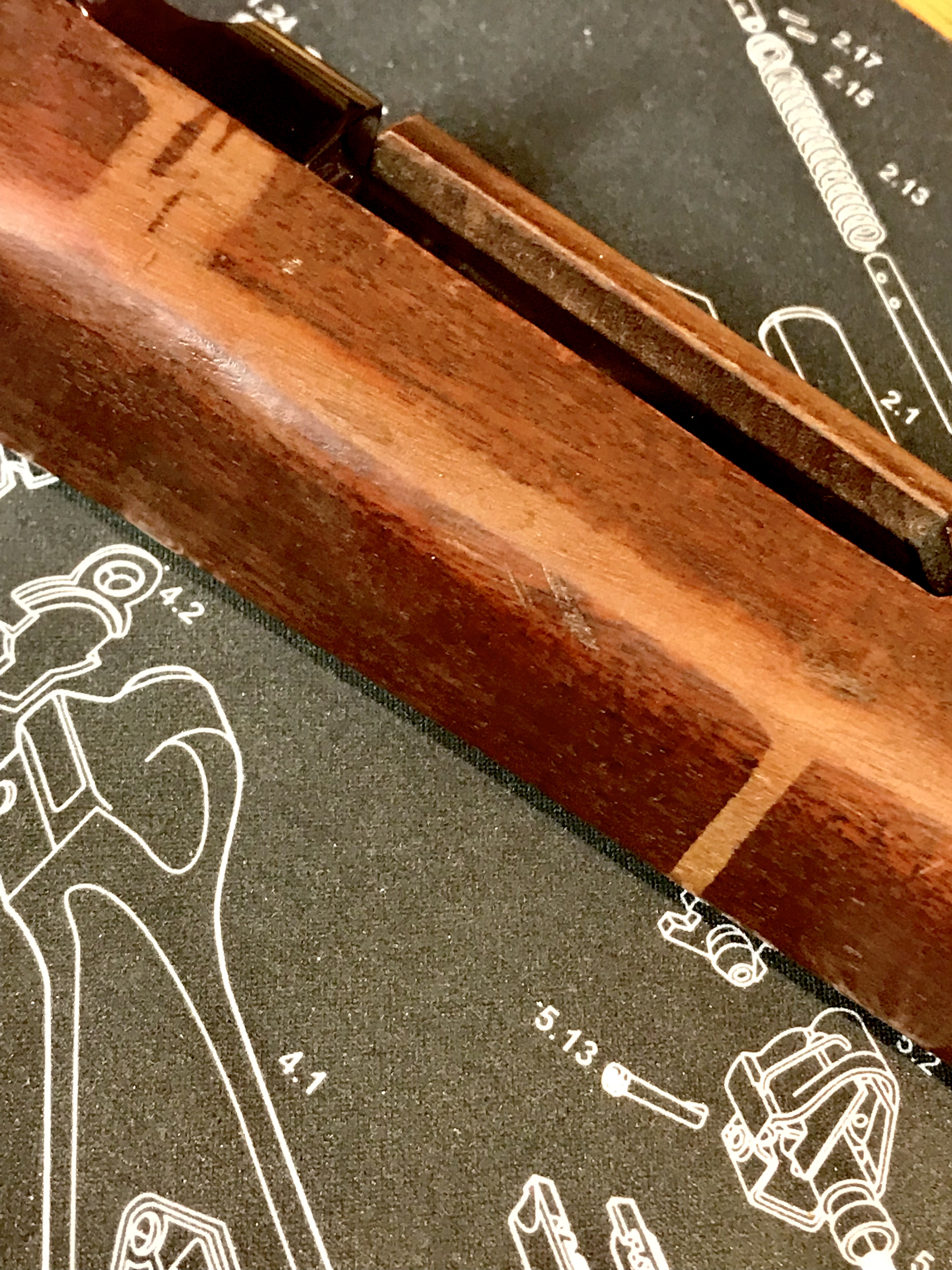 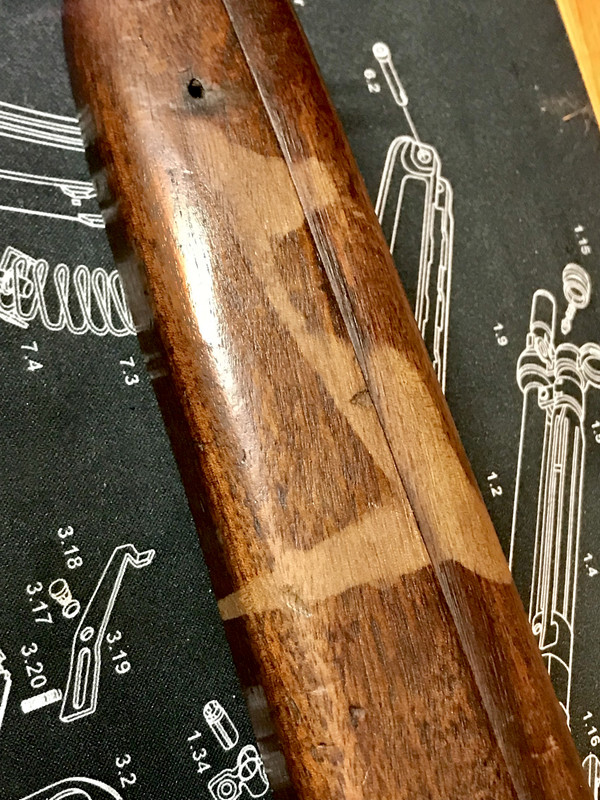 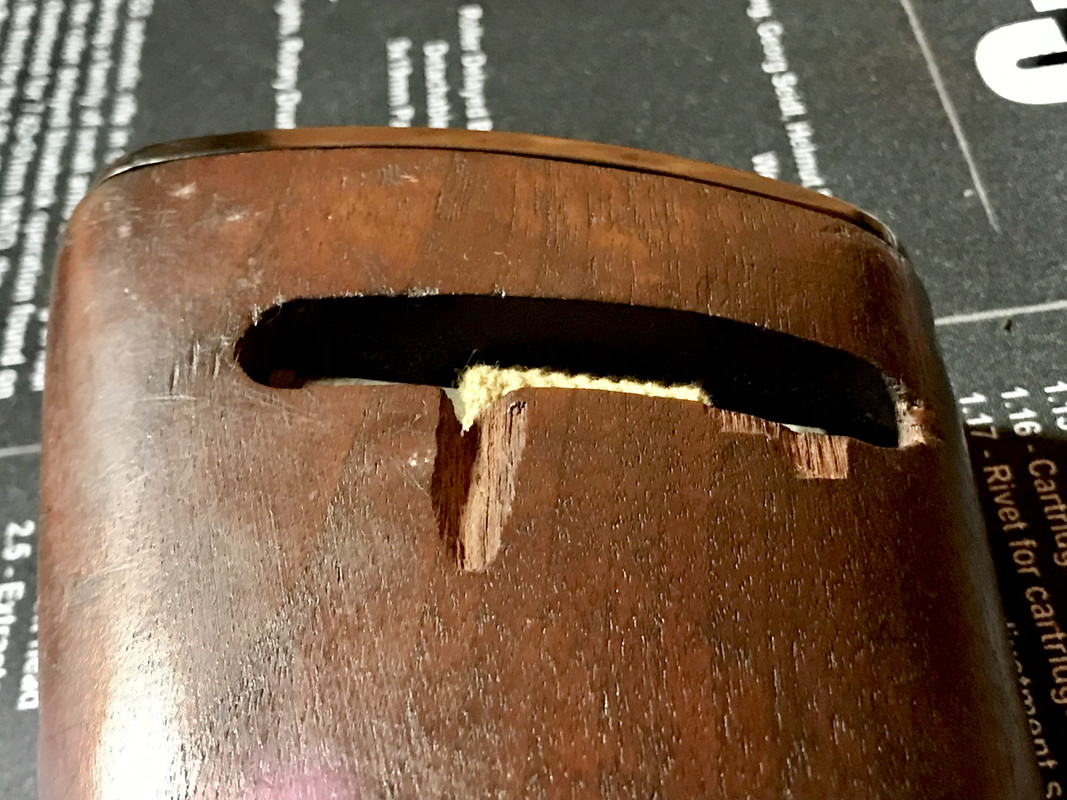
|
|
Originally Posted By Brooklynite: This will be a shooter and I realize it has little collector value, but it looks like it’s all (or mostly) original parts, and I’d like to keep it all together if possible. Is the stock worth saving with that damage? if so, is there a way to touch up just the spots where the finish was stripped? I don’t want to do a complete stock refinish and risk losing the already faded cartouche if I don’t need to. The chips are cosmetic not functional. Clean it, put tung oil or even BLO on it and call it complete and ready for your intended purpose. |

|
That article reminded me why I dislike Tru-Oil and varnishes of any/every type. They form a glossy film on the surface of the wood. Even if you take care to develop a matte finish, it eventually becomes glossy through wear. Varnishes are inherently a film on the surface of the wood and the stock ends up looking like a wanna-be piece of furniture. That has no place on a military surplus rifle (or any rifle, IMO). I remember reading tests of various wood finishes showing their ability to prevent moisture exchange from the wood to the atmosphere. All slowed the rate but NONE stopped the moisture. My Garands have BLO on them. I have a bunch of RealMilkPaint's Tung Oil here but I use the BLO, instead. It dries very quickly, as opposed to tung oil that takes days. |
|
Thanks guys. I put some coats of BLO on last week but it was still looking too noticeably splotchy. The contrast between bare wood and 80 years of oil and grime was too much to blend together. So I used a super fine abrasive (generic magic eraser) and some murphys oil soap on a shop rag over the entire stock to take off the grime and some of the old finish, while keeping the used character of the stock and not stripping it. Now I’ve been doing a mix of BLO and some mineral spirits for a couple of coats and it’s looking much better. I’ll do maybe 2 or 3 more of just BLO next week and then Be done with it. |
|
I’ve both glued new wood into chips by cleaning up the gouges with a chisel first and used epoxy putty to fill glaring gouges before refinishing stocks. I usually go darker with the wood filler as it looks less obvious if I can’t color match. JB Weld’s Kwikwood Sticks are a good choice if you’re not concerned about “correctness”. |
|
After the minimal stock refinish last week I’m happy with it, especially for $450. I’ve wanted a wartime carbine since I was a kid. My grandfather carried one in the pacific, and taught me how to shoot on an old 1960s crossman m1 carbine BB gun my dad bought for me at a yard sale. Now, if only ammo was less expensive. 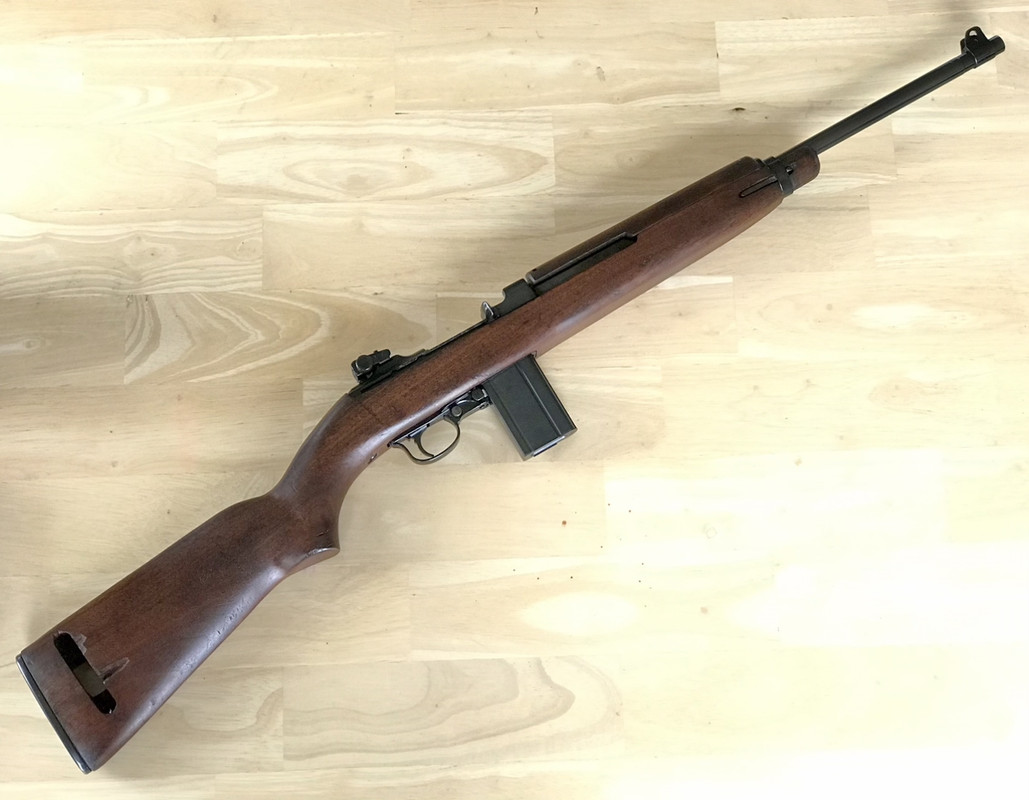 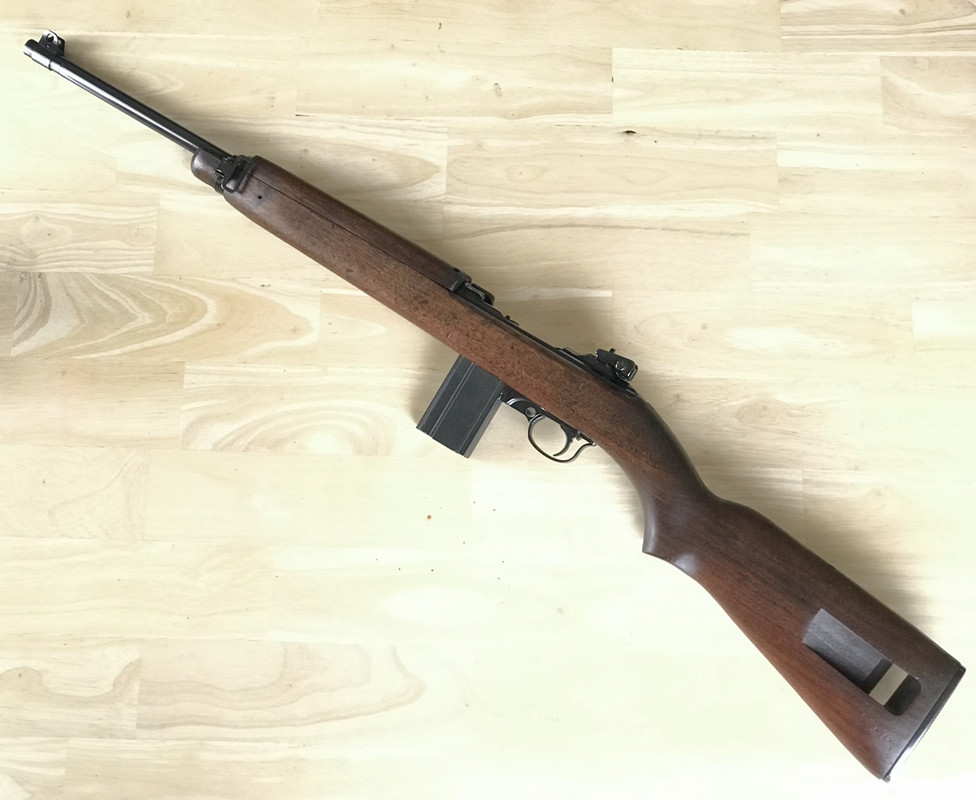 |

|
Originally Posted By Trollslayer: That article reminded me why I dislike Tru-Oil and varnishes of any/every type. They form a glossy film on the surface of the wood. Even if you take care to develop a matte finish, it eventually becomes glossy through wear. Varnishes are inherently a film on the surface of the wood and the stock ends up looking like a wanna-be piece of furniture. That has no place on a military surplus rifle (or any rifle, IMO). I remember reading tests of various wood finishes showing their ability to prevent moisture exchange from the wood to the atmosphere. All slowed the rate but NONE stopped the moisture. My Garands have BLO on them. I have a bunch of RealMilkPaint's Tung Oil here but I use the BLO, instead. It dries very quickly, as opposed to tung oil that takes days. A lot of match and AFPG guns had some sort of varnish type finish applied. |
|
Just came here to join the BLO voices. It is slow and requires patience. Just a few drops rubbed in each time. Set aside and let completely dry. Repeat. Many times. I usually do a light 0000 steel wool polishing between coats to improve bonding. Nothing looks better, more natural, IMO. |
Armory Sponsor